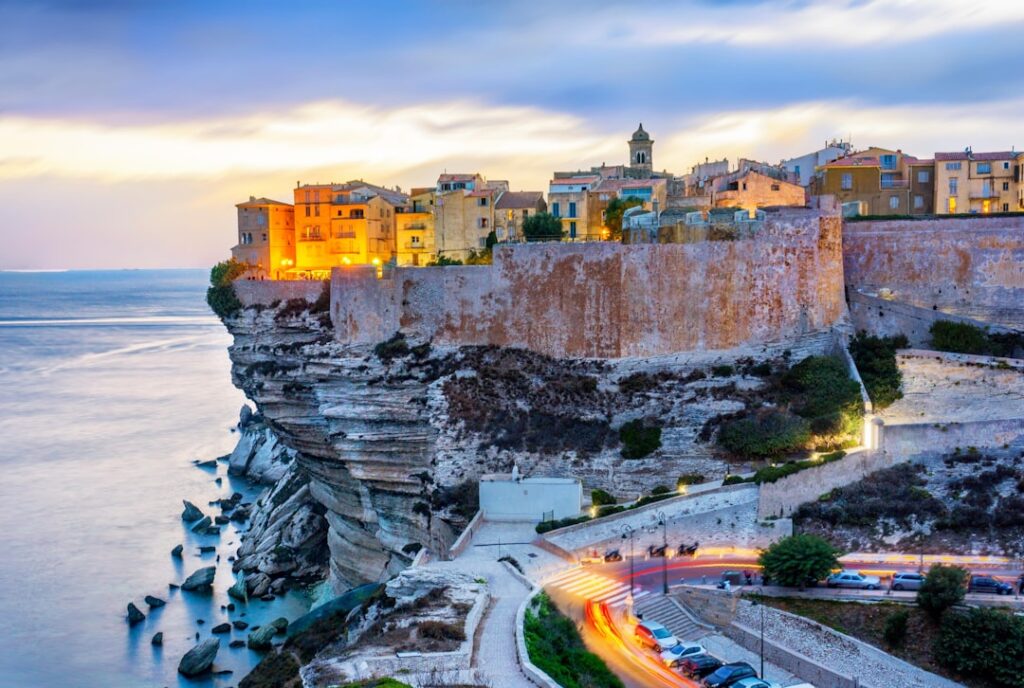






Introduction: Why Corsica’s beaches attract tourist traps and how this guide helps
Corsica, the Isle of Beauty, boasts dramatic coastlines, crystal-clear waters and hidden coves that lure hundreds of thousands of visitors every year. Palombaggia, Santa Giulia, Rondinara, Saleccia, Nonza… these names conjure the Mediterranean dream. But popularity has its downside: the most famous beaches can become hotspots for tourist traps — overpriced services, inflated beachfront restaurants, sunbed rentals at exorbitant rates, parking scams, pushy street vendors and sketchy tourist information. Knowing how to spot these pitfalls is key to enjoying Corsica’s shores without getting ripped off.
This practical, professional and detailed guide is here to arm you with concrete information and specific examples. We’ll outline typical situations observed on the ground: how to recognize an unofficial paid parking area near Plage de Palombaggia (Route de Palombaggia, 20137 Porto-Vecchio), or what to expect to pay for a sunbed and umbrella at Plage de Santa Giulia (Route de Sainte-Lucie, 20137 Porto-Vecchio). You’ll find usual opening times, price ranges in euros and practical tips for negotiating, checking and avoiding unpleasant surprises. Immersive descriptions will help you picture the places and pick up visual clues of a scam — vague signage, no visible menu, no receipt given, or guides offering “special” excursions without a licence.
The aim is not to demonize local people: many shopkeepers, restaurateurs and rental operators are honest and passionate. But it’s realistic to admit that in high season (July–August) tourism pressure can encourage opportunistic behaviour. This guide explains how to tell a fair value from a rip-off (for example, a simple seaside lunch should be about €18–28 per person vs. a tourist trap plate at €35–45 with no matching quality) and how to quickly check a provider’s legitimacy (presence of a SIRET number, wine list, price display, invoice).
You’ll also find practical recommendations: where to park for free near popular beaches, which hours to favour to avoid crowds and overly persistent sellers, and how to use official services (tourist information offices, lifeguard stations) to get reliable advice. Several concrete cases are given with addresses, indicative opening times and average prices so you can compare on the spot. Finally, the guide includes bargaining tips, safety advice and lesser-known alternatives that are just as beautiful, so you can enjoy Corsica’s coast without falling for the usual traps.
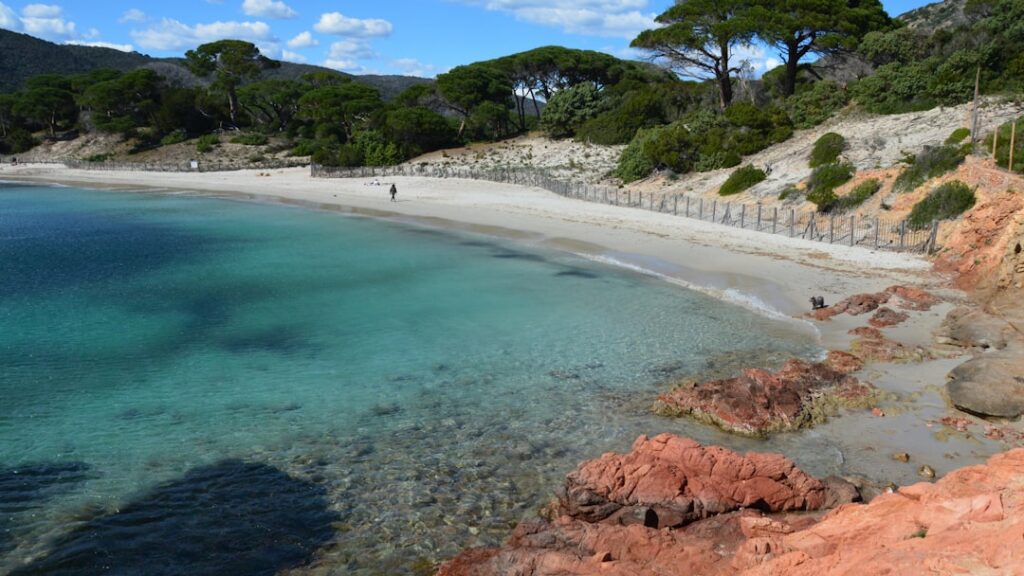
Spotting and avoiding sunbed and umbrella rental scams (examples and prices)
Sunbed and umbrella rentals are among the most common traps on Corsican beaches. On extremely busy spots like Plage de Palombaggia (Route de Palombaggia, 20137 Porto-Vecchio) or Plage de Santa Giulia (Route de Sainte-Lucie, 20137 Porto-Vecchio), you’ll find rows of facilities called “beach clubs” offering privatized zones with loungers, showers and service. Prices fluctuate a lot: in high season a sunbed plus umbrella can cost between €20 and €45 a day depending on the beach and the level of service. For example, some private sections of Palombaggia often list rates of €30–40/day, while nearby public areas usually have independent renters charging €10–20.
How to spot the scam? First, beware of “supposedly private” zones on actually public beaches: some renters block off a stretch with ropes and demand immediate payment without proving exclusivity. Red flags include no receipt, unclear pricing or insistence on cash-only payment. Always ask for a written receipt or an invoice (required for professionals, ideally showing a SIRET number). Another trick: compare offers along the beach — reasonable rates tend to be consistent over stretches of 200–500 metres.
Hours and rules: most rental operators open between 08:30 and 09:30 and close between 18:00 and 20:00 in summer. Daily rentals rarely include towel cleaning or mattress replacement, which can justify a higher price if the setup offers full services (hot showers, toilets, a bar). Indicative prices: simple sunbed €10–20, sunbed + umbrella €20–45, locker or cabin €10–25. If someone offers a “special pack” (sunbed + drinks + umbrella) for €60–100, double-check what’s truly included: number of drinks, exact duration (full day or half day), and access hours.
Local tips: arrive early (before 09:30) to pick a good spot and avoid paying premium rates. If you find a free spot on the public section of the beach, follow local rules and leave it tidy. For families, choose renters who clearly display prices and accept cards — that reduces the risk of abuse. Finally, if a reservation is requested by phone through an intermediary demanding a large deposit, insist on speaking directly with the beach manager and seeing the place before paying.
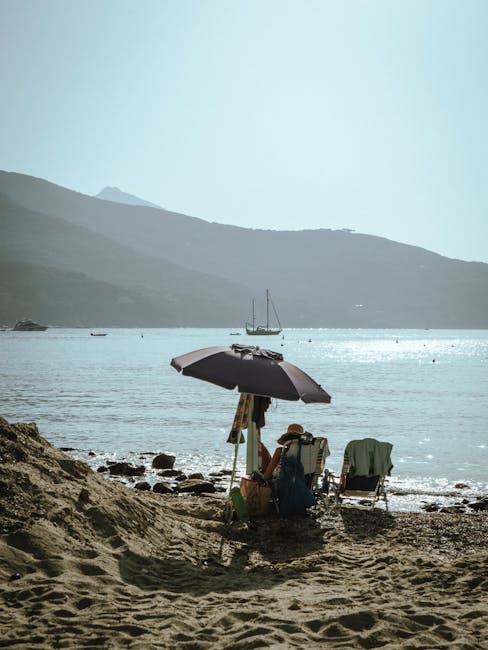
Seaside restaurants and fake menus: how to check value for money
On the busiest seaside fronts — Plage de Rondinara (Rondinara Bay, 20120 Bonifacio), Calvi Plage (Boulevard Wilson, 20260 Calvi) — restaurants sometimes rely on high footfall to charge top prices with no guarantee of quality. Common tricks include “attractive” menus posted outside, only to add supplements when you sit down (salads “à la carte” with frozen fish), overpriced out-of-season items, or dishes advertised as “homemade” that aren’t.
Concrete examples: a basic lunch of grilled fish + side + drink in a decent place should cost between €20 and €35 per person. If a beachfront restaurant charges €45–60 for a modest fish plate and a salad, compare with other nearby places or walk a few streets inland to find local spots with fairer prices. Check for a visible wine list with prices: bottles priced €18–30 are standard, but if you’re only being offered a “house” wine at €40–50 with no other option, be suspicious.
Typical hours: many restaurants in season are open 12:00–15:00 for lunch and 19:00–23:00 for dinner. Some close between 15:00 and 19:00. Before sitting down, read the menus displayed outside carefully and ask about extra charges for sauces, bread, “amuse-bouches” or cover charges. Also look for signs of a reputable restaurateur: a displayed SIRET number, recent verified reviews (Tripadvisor/Google), and a local clientele — a solid sign of fair prices and good quality.
Local tips to avoid being duped: head away from the beachfront into the heart of villages to find tables frequented by Corsicans; favour restaurants that advertise “local products” and show detailed prices on their menu. Don’t hesitate to ask the approximate price of a dish before ordering (for example: “How much is the grilled sea bream?”). Avoid servers who push an off-menu dessert or drink without explaining the price. For great value, try small inns or rural “casa” restaurants — they often serve traditional Corsican dishes for €15–28 per person.
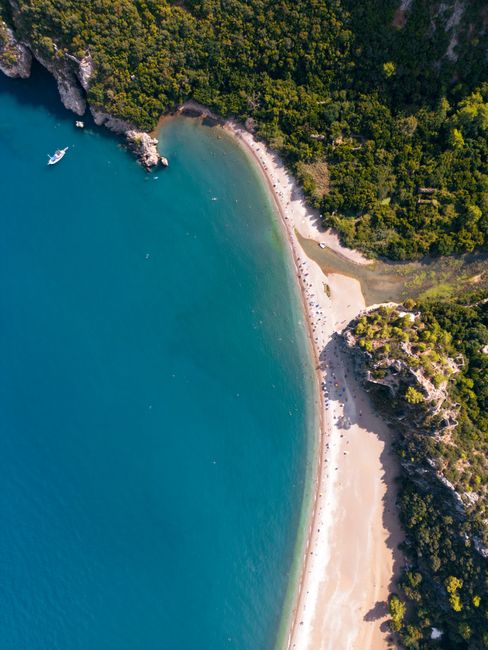
Boat trips, street vendors and fake guides: practical checks
Boat trips and sea excursions around Corsica showcase breathtaking scenery (the cliffs of Bonifacio, the Lavezzi islands, Scandola), but they also attract unscrupulous operators. Common scams include inflated fares, shortened routes, overloaded or uninsured boats, and local sellers offering “private” tours without allowing you to verify the vessel or licence. Indicative prices: a standard day trip from Bonifacio to the Lavezzi Islands typically costs €30–50 per person for a basic shuttle (1–2 hours). Private or semi-private tours can range from €200 to €800 depending on boat size and duration.
Things to check: always look for a registration number visible on the hull, ask for the boat’s maximum capacity and make sure there are life jackets for everyone. For boats offering snorkeling, ask whether equipment is included or if there’s an extra charge (typically €5–15 for mask/snorkel rental). Beware of “flash offers” sold on the beach by itinerant vendors: these bookings often lack insurance and cancellations may not be refundable.
Street vendors: on popular beaches you’ll meet sellers offering jewellery, tablecloths, drinks or “exclusive” excursions. Their presence isn’t illegal, but watch out for very low-quality goods sold at high prices (e.g. “Corsican artisan” bracelets for €25 that cost €3–5 to make). If a seller is too pushy, decline politely and walk away; avoid buying unless you’re confident in the product. Prefer official shops or municipal markets (e.g. Porto-Vecchio market, Place Saint Jean-Baptiste, hours vary but often 08:00–13:00 in summer).
Practical advice: book excursions through recognised operators — official ports (Porto-Vecchio Port de Plaisance, Quai Sampiero Corso, 20137 Porto-Vecchio) or local agencies with websites and verifiable reviews. Always ask for the full price per person and what’s included (water, swim stops, insurance). If possible, book morning departures (08:30–09:30): the sea is calmer and marine spots are less crowded, which reduces the chance of shortened itineraries for time or weather reasons.
Conclusion: adopt the right mindset to enjoy Corsica’s beaches stress-free
Corsica remains a magical destination, but as anywhere with heavy tourism you need to stay alert to avoid tourist traps. In short: inform yourself before you arrive (opening times, reference prices), favour official providers, and always ask for written proof (menu with prices, receipt, SIRET number for merchants). Arrive early on the beaches to pick your spot without paying premium rates, step away from ultra-touristy zones to find quality restaurateurs and fairer prices, and book excursions through ports or established agencies.
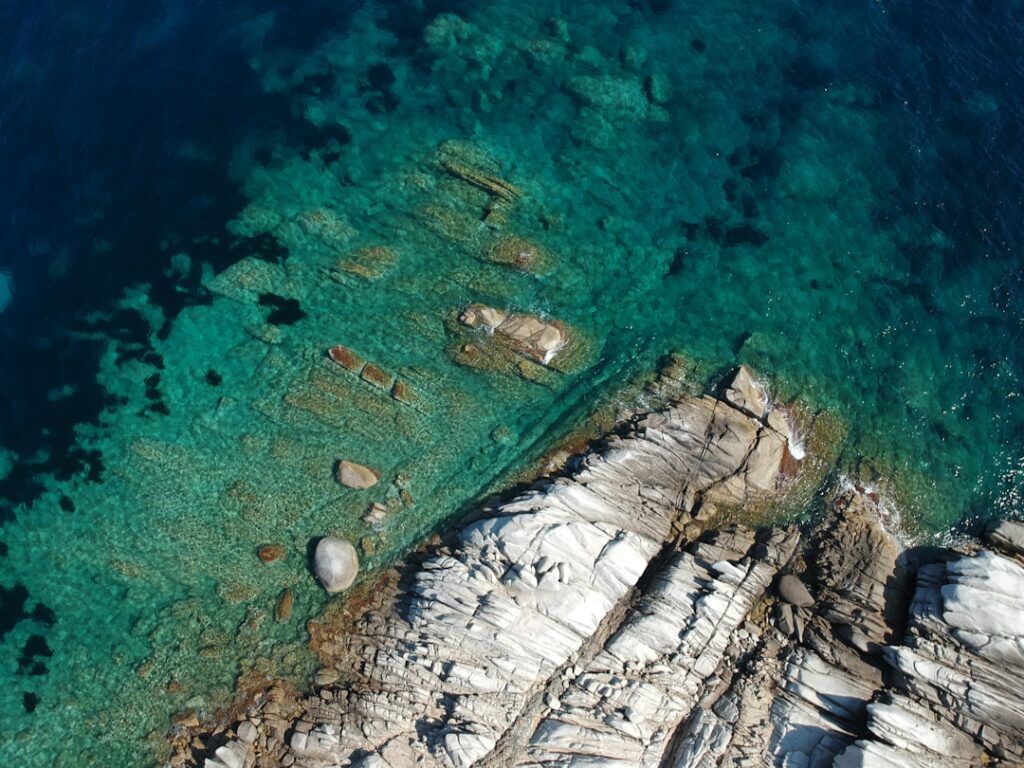
Golden rules to remember: compare before you buy (sunbeds, meals, excursions), ask for invoices to avoid fraud, use traceable payment methods (card) rather than cash for large amounts, and consult the local tourist office (e.g. Office de Tourisme de Porto-Vecchio, Place de la République, 20137 Porto-Vecchio, seasonal hours 09:00–19:00) if in doubt. With an informed, cautious approach you’ll avoid most risks and fully enjoy Palombaggia’s translucent waters, the bays of Rondinara, the wild coves of the Agriates Desert Nature Reserve and Calvi’s golden sandy beaches.
Lastly, don’t forget local etiquette: respect nature (don’t leave rubbish, avoid fires), respect residents and their traditions, and favour transparent local businesses. You’ll be rewarded with unforgettable views, authentic food and warm encounters. Safe travels — may your beach days in Corsica be peaceful, beautiful and scam-free.