




Introduction — Why plan a 7-day trip to Corsica: costs, logistics and local tips
Corsica, the « island of beauty » with its dramatic contrasts, packs a huge variety of experiences into a single week: sandy beaches, rugged mountains, perched villages, scenic coastal roads and a rich culinary scene. Planning a 7-day stay in Corsica takes a bit of organisation to make the most of your time and budget, and to enjoy every stop without regrets. This general guide gives you a practical checklist, realistic cost estimates, exact addresses and opening times when available, plus local tips to avoid common pitfalls and save time.
A week-long itinerary starts with choosing your arrival point: by air (Ajaccio Napoleon Bonaparte Airport, Route d’Alata, 20090 Ajaccio; Bastia-Poretta Airport, Route de l’Aéroport, 20620 Lucciana; Figari Sud-Corse Airport, Route de Figari, 20114 Figari) or by sea (ports like Marseille, 13002 Marseille; Nice, 06300 Nice; and Corsican ports such as Port of Bastia, 20200 Bastia or Port of Ajaccio, Port de Commerce, 20090 Ajaccio). That choice directly affects costs: low-cost plane tickets, ferry prices (e.g. Ajaccio–Marseille crossing: roughly €80–150 per person depending on season and cabin), car hire and fuel, accommodation and activities.
This guide provides a preparation checklist (transport, lodging, activities, daily budget), money-saving tips (book early, travel off-peak hours, cook some meals yourself), and local recommendations (opening hours, shop and market addresses, restaurant tips and driving advice). Prices are given in euros to help you build a realistic budget: expect roughly €60–120 per day per person excluding accommodation if you mostly eat out, and €100–200 per day if you include car hire, fuel and paid excursions.
Throughout the article you’ll find precise addresses, indicative opening hours and immersive descriptions to help you picture each stage. The visual cues (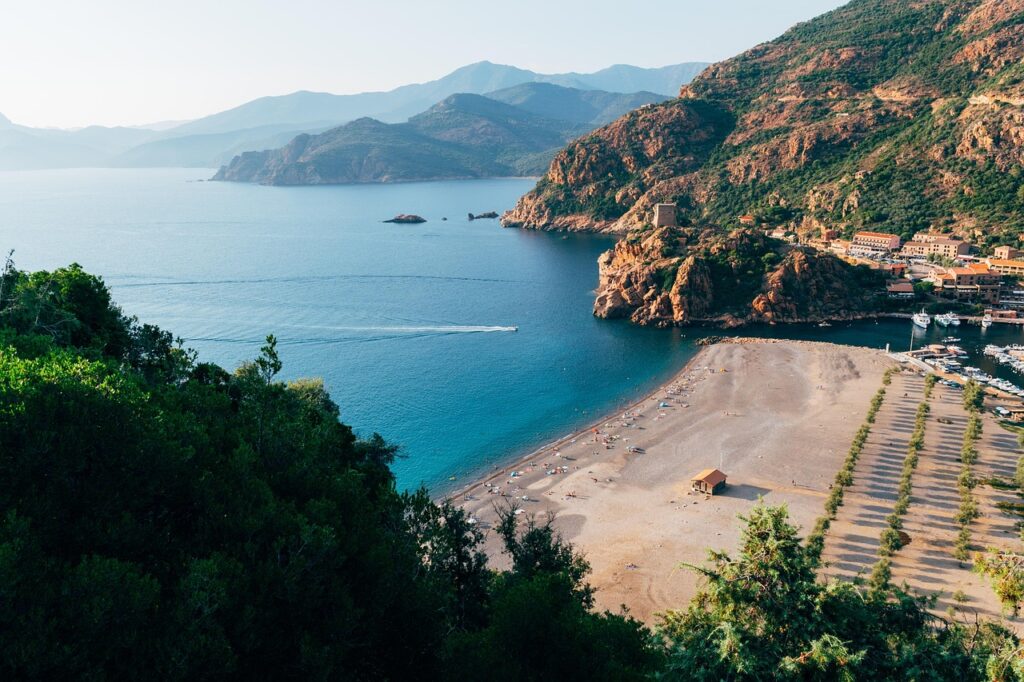 placed at the most scenic spots) will help you anticipate the vibe: beaches, coves, villages, harbours and coastal roads. Finally, the local tips (best times to visit, parking hacks, products to bring home) will help you get the most out of your 7 days in Corsica.
1. Day 1 — Arrival, settling in and the essential logistics checklist (transport and first night)
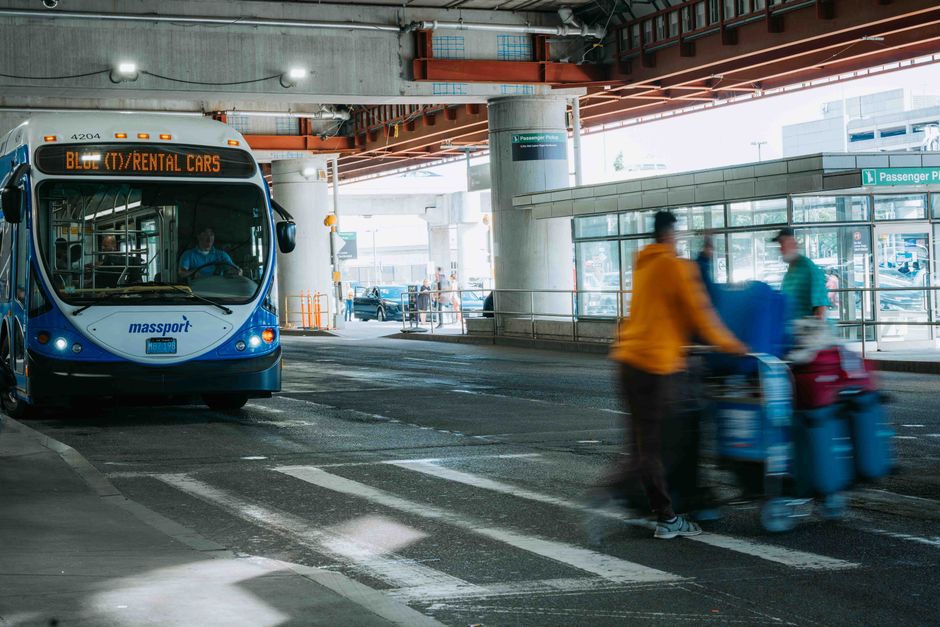
Before you land or dock, confirm the essential logistics: pick up your rental car, validate ferry tickets, get a local SIM if needed, and confirm your first night’s accommodation. At Ajaccio Napoleon Bonaparte Airport (Route d’Alata, 20090 Ajaccio), the main rental company is Europcar (Ajaccio Airport, 20090 Ajaccio; typical opening hours 07:00–22:00 depending on season). Indicative rate: €45–80 per day for a small city car in high season (July–August). At Bastia-Poretta Airport (Route de l’Aéroport, 20620 Lucciana), Sixt and Hertz offer similar options. Book online 30–60 days ahead to save about 20–30%.
If you arrive by ferry at the Port of Bastia (Port de Commerce, 20200 Bastia), watch arrival times: many crossings dock late at night (22:00–01:00). Booking a hotel near the port makes the first night easier: Hôtel Terminus (81 Quai des Martyrs de la Résistance, 20200 Bastia) offers rooms from around €70 per night (breakfast sometimes included), and a 24-hour reception.
First-day printable checklist:
- Documents: ID, driving licence, booking confirmations (car, hotel, ferry).
- Money: cash (have €100–200 in cash), bank cards, daily spending estimate €60–150 depending on activities.
- Phone: buy a local SIM (SFR/Orange/Bouygues — shops in town; SIMs €10–30 depending on data) if your home operator’s roaming isn’t competitive.
- Car essentials: inspect the vehicle (oil level, tyres, spare wheel), have offline GPS or maps app, and a physical road map (useful in mountain zones with no signal).
- First necessities: supermarket Carrefour Market Ajaccio, Rue de la Vignette, 20000 Ajaccio (opening hours 08:30–20:00) — bread, bottled water (1.5 L about €0.75–1.50), snacks.
Local tip: if you arrive late afternoon, stroll Ajaccio on foot — Place Foch (20000 Ajaccio) and Cours Napoléon are a pleasant introduction. Recommended spot for your first meal: Le 20123, 5 Rue Roi de Rome, 20000 Ajaccio — main dishes €12–20, roughly 12:00–14:30 and 19:00–22:30 (closed some Sundays). Book ahead for dinner in high season.
2. Day 2 — West Coast: Ajaccio to Calvi, beaches and scenic views (beach-day budget and activities)
Corsica’s west coast is a mix of golden sands and mountain backdrops. If you’re leaving from Ajaccio, plan a route via Cargèse, the Calanques de Piana and the Scandola Nature Reserve (boat access from Porto). Driving Ajaccio–Calvi via the T20 and D81 takes about 3½–4 hours non-stop, but it’s better to break the day up.
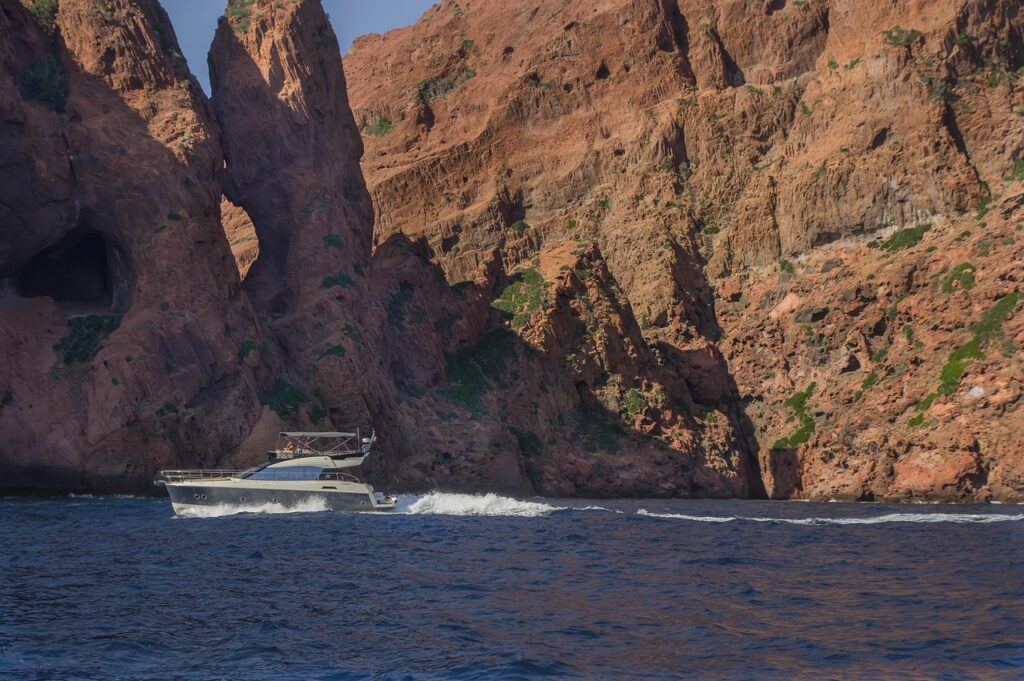
Must-do excursion: boat trip to the Scandola Nature Reserve, departing from the Porto harbour (Port de Porto, 20150 Porto). Companies like Gênes Croisières (Port de Porto, 20150 Porto) run day trips: typical fares €35–55 per adult, departures around 09:30–10:30, return about 16:30–17:30 depending on weather. Bring water, a hat, sunscreen and sturdy shoes for rocky landings. The reserve is a UNESCO World Heritage site: red cliffs dropping into turquoise water, sea caves and bird colonies.
Recommended beach: Ostriconi Beach, Route de l’Ostriconi, 20220 Palasca — free but limited parking; the beach has fine sand and sheltered areas for kids. Another highlight: the Calanques de Piana (20115 Piana) with spectacular viewpoints and short hiking trails (PR 1, 40–60 minutes). Note paid parking in high season: budget €2–5 for a short stop.
Estimated daily budget (per person):
- Fuel: €30–50 (depends on car and distance)
- Boat trip to Scandola: €35–55
- Lunch: €15–25 (beach snack or casual lunch)
- Accommodation in Calvi: Hôtel La Villa (32 Boulevard Wilson, 20260 Calvi) around €80–140 per night depending on season
Local tips: leave early from your base to avoid crowds on the D81, don’t park on unauthorised road verges (fines possible), and carry cash for small shops in remote areas. In Calvi, the Citadel of Calvi (Rue du Roi de Rome, 20260 Calvi) can be visited on foot; a local guided tour (in season) costs about €8–12 per person.
3. Day 3 — Balagne and perched villages: Sant’Antonino, L’Île-Rousse and local markets
The Balagne region is famous for its hilltop villages, orchards and small coves. Start the day at L’Île-Rousse market (Place Paoli, 20220 L’Île-Rousse): usually open 08:00–13:00, you’ll find sheep cheeses (brocciu), Corsican charcuterie (figatellu), honey and fresh fruit. Market-snack budget: €5–15 for a picnic-sized basket.
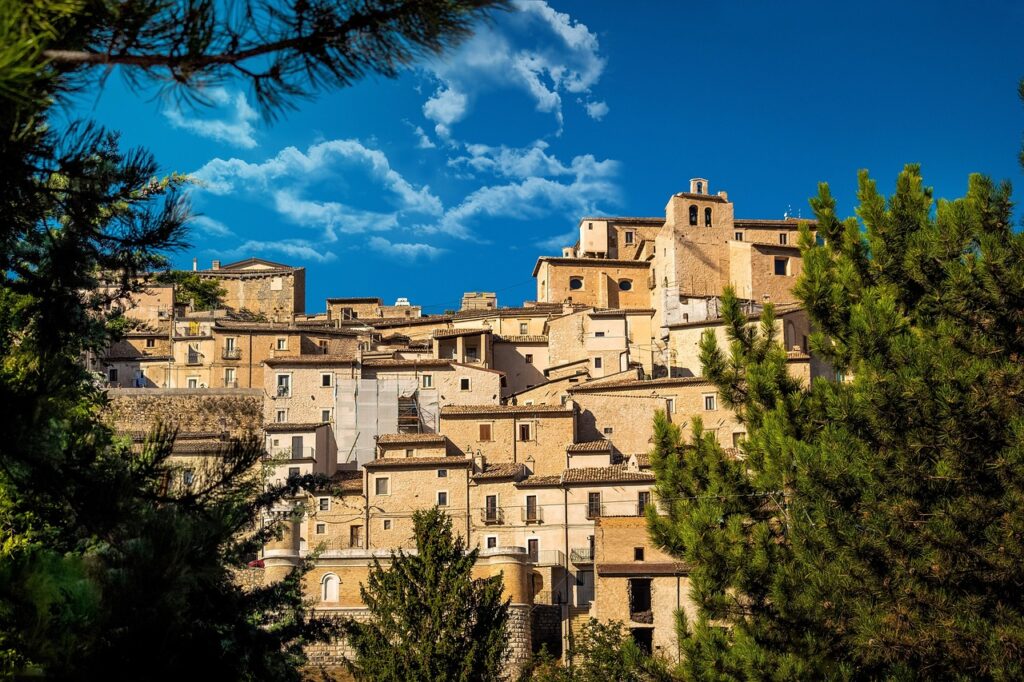
Visit Sant’Antonino (20220 Sant’Antonino), one of Corsica’s oldest villages, perched roughly 500 metres above sea level. Wander the medieval alleys and enjoy the sweeping views over the plain and the sea. Point of interest: Place du Belvédère, 20220 Sant’Antonino — access via the D71; public parking is at the village entrance.
Have lunch in a countryside inn to sample local cuisine: Auberge du Col de la Serra, D81, 20214 Montemaggiore — mains around €12–20, open roughly 12:00–14:00 and 19:00–21:00 (closed Mondays off-season). Extra costs: wine tastings at a local domaine (tastings €8–20 depending on the estate).
Optional activity: a short hike to the Genoese tower of L’Île-Rousse (Promenade Sud, 20220 L’Île-Rousse) and a swim at Plage de l’Alga (10–15 minutes on foot). Guided activities are available (e-bike tours, guided hikes) at roughly €30–60 per person for a half-day.
Practical tips: buy fresh goods at the market to make an evening picnic (local bread €2–4, brocciu cheese €6–10/kg), and keep small notes for stall vendors. Parking in hilltop villages is often free but tight: park at the bottom and walk up if needed. For banking or exchange services, Banque Populaire de Corse (7 Rue Jean Nicoli, 20220 L’Île-Rousse) is usually open 09:00–12:00 and 14:00–16:00 on weekdays.
4. Day 4 — Cap Corse and Bastia: wild coastline and urban heritage
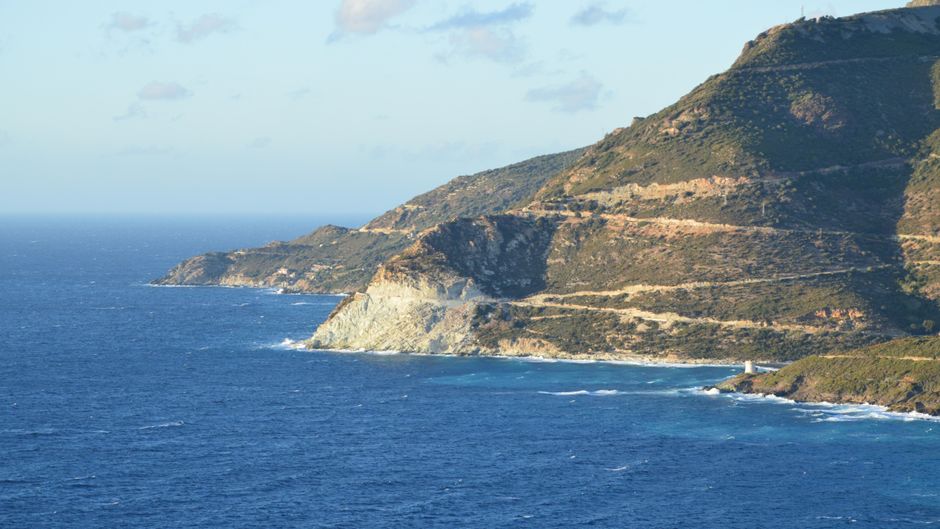
Cap Corse is a wild peninsula to the north: Genoese towers, tiny coves and winding coastal roads. Leave early from Calvi or L’Île-Rousse for Bastia (about 1½–2 hours from Calvi). Stop at Nonza (20217 Nonza) to see the black pebble beach and the Paoline tower. The viewpoint is spectacular; parking is available but the area can be very windy.
On arrival in Bastia, wander the Old Port (Vieux Port de Bastia, 20200 Bastia) and Place Saint-Nicolas (Place Saint-Nicolas, 20200 Bastia). Opening hours of interest: the Bastia Museum (Place du Donjon, 20200 Bastia) is often open 10:00–18:00 off-season, admission €4–6. For a meal in town try A Nepita, 4 Rue du Marché, 20200 Bastia — mains €15–25, open 12:00–14:30 and 19:00–22:00.
Transport tip: if you plan to use ferries, the Port of Bastia (20200 Bastia) has connections to Italy and the mainland. Crossings Bastia–Livorno or Bastia–Genoa vary between €50–120 depending on season and ticket type.
Indicative daily budget:
- Fuel and tolls: €20–40
- Lunch in town: €15–30
- Museum visit: €4–6
- Accommodation in Bastia: Hôtel des Gouverneurs, 2 Rue des Gouverneurs, 20200 Bastia, around €70–120 per night
Local tip: avoid the east side of Cap Corse on windy days (tramontane) if you’re prone to seasickness, and ask locals for ferry schedules to reach more secluded coves. For parking in Bastia, use public car parks (Parking du Port, Quai des Martyrs de la Résistance, 20200 Bastia) which usually charge around €1–2/hour.
5. Day 5 — Wild south: Bonifacio and the cliffs, sea activities
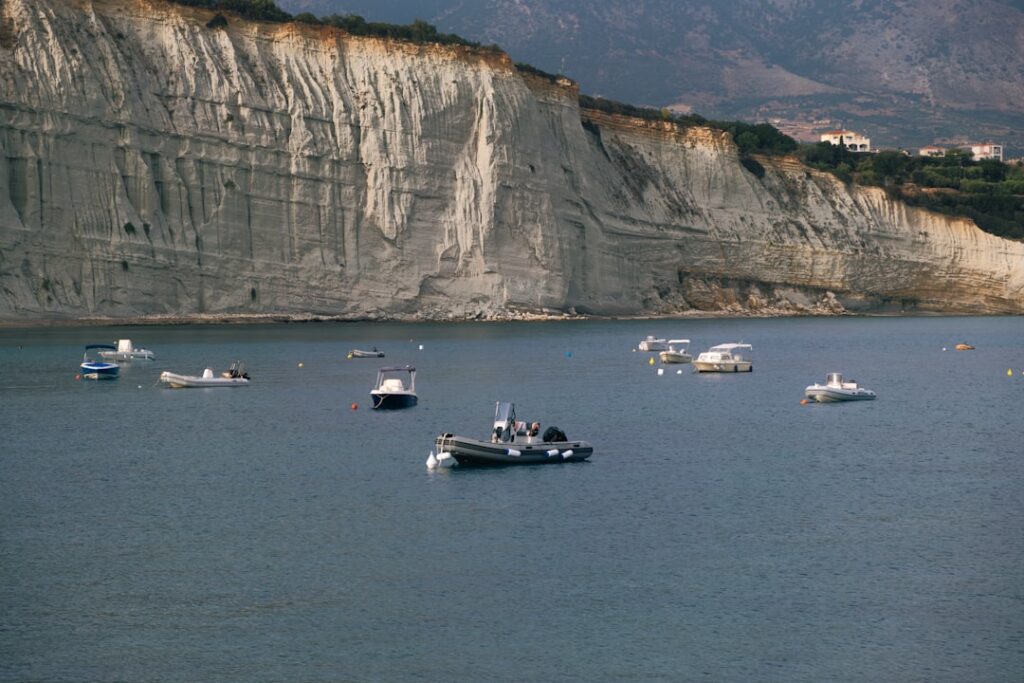
Bonifacio (20169 Bonifacio) in the far south is famous for its white cliffs and medieval harbour. Arrive early to visit the Upper Town (Citadel) at Place du Marché, 20169 Bonifacio. Walking the citadel is free; guided tours cost about €8–15 per person depending on length. Don’t miss the King of Aragon’s Staircase (L’Escalier du Roi d’Aragon, 20169 Bonifacio), carved into the cliff with 187 steps — open 24/7 but be cautious on wet steps.
Recommended excursion: the Lavezzi Islands by boat from Bonifacio Harbour (Quai Pascal Paoli, 20169 Bonifacio). Local companies run return and half-day trips (prices €25–45 per person, departures 09:00–10:00, returns 16:00–17:00). The islands have crystal-clear coves perfect for snorkeling.
Daily budget:
- Fuel: €30–50 (depending on starting point)
- Crossing to the Lavezzi Islands: €25–45
- Lunch at the harbour: €18–30 (e.g. Restaurant U Capu Biancu, Quai Pascal Paoli, 20169 Bonifacio)
- Accommodation: Hotel Genovese, 3 Rue des Quais, 20169 Bonifacio, around €90–160/night
Local tips: visit the cliffs in the morning or late afternoon to avoid the heat. Bring 1.5–2 L of water per person for cliff hikes. For a unique viewpoint, take a water-taxi for a boat tour around the cliffs (about €10–18 for a short 1-hour tour).
6. Day 6 — Mountain hike: accessible GR20 section and natural swimming pools
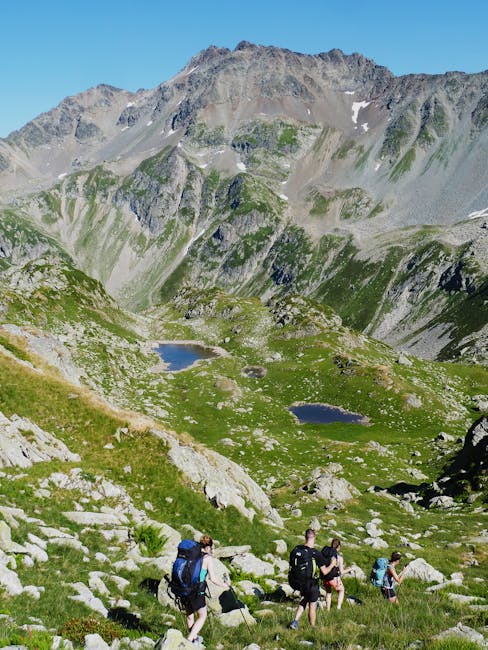
Corsica is mountainous too: dedicate a day to an accessible hike to taste the rough interior without attempting the full GR20. A good example is the Restonica valley near Corte. Start at Pont de la Restonica, Route de la Restonica, 20250 Corte. The main car park is paid in high season (around €5–8 per day). Marked trails lead to lakes Melo and Capitello (up to 1,710 m) — a 4–6 hour round trip, challenging but rewarded with alpine views and chilly lake swims.
For a gentler alternative: the Purcaraccia natural pools in the Ospedale massif (Route de l’Ospedale, 20135 Porto-Vecchio) — accessed by a trail, with swimming in clear rock pools. Bring water shoes and drinking water. Parking is generally free, but the access road can be stony.
Day budget:
- Transport (fuel): €20–40
- Picnic lunch: €8–15
- Local guide (optional) for a hike: €40–80 per person for a half-day
Safety tips: check the weather (mountain thunderstorms can develop quickly), carry a first-aid kit, an offline map (IGN maps or Komoot), and tell your accommodation your planned route. Mountain refuges (e.g. Refuge de Ciottulu di i Mori, D268, 20252 Asco) can provide shelter or supplies in season — book in advance if you plan to stay overnight.
7. Day 7 — Final day: markets, souvenirs and final budget checks before departure
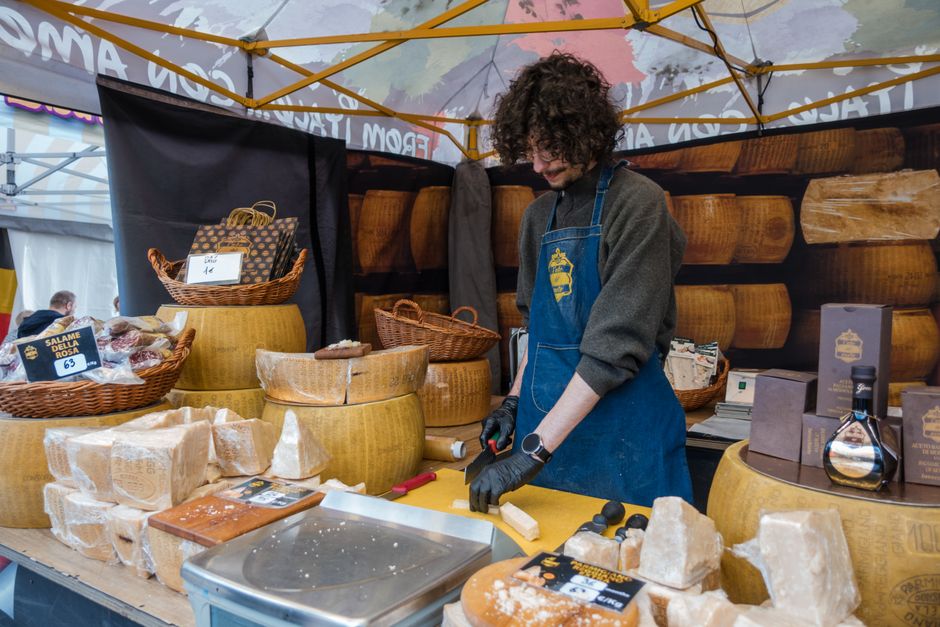
The last day is for buying local products, resting and completing administrative checks before you leave. Corsican markets are ideal for authentic products: honey (about €8–15/jar depending on variety), fig jam, sheep cheeses (brocciu), charcuterie (sausage, figatellu €8–18/kg) and Corsican wines (Clos Venturi estate, 20240 Patrimonio; bottles €8–25). Example spot: Corte Market, Place Gaffory, 20250 Corte, usually open 08:00–13:00.
Practical souvenirs: tea towels, local pottery and olive-oil soaps. Average souvenir budget: €20–60 per person depending on choices. If you’re returning a hire car at the airport, plan fuel and hand-back time: petrol stations are near most airports (Figari Sud-Corse Airport, Route de Figari, 20114 Figari — a Total Access station is close to the terminal).
Departure checks (checklist):
- Car check (full tank, vehicle condition for return)
- All documents present (tickets, boarding passes, passports)
- Check-in time and travel time to the airport/port
- Final purchases or packing fresh food (check airline rules)
Approximate 7-day budget summary (per person):
- Transport (return plane/ferry): €80–300 depending on origin and season
- Car hire: €350–650 for 7 days (compact car in high season)
- Fuel: €120–220 (depending on itinerary)
- Accommodation: €70–160/night depending on type (total €490–1,120 for 7 nights)
- Meals and activities: €350–700 (restaurants, excursions, admissions)
Estimated total (flexible): €1,390–3,190 per person for a full week, depending on comfort level, paid activities and season. To cut costs: travel in shoulder season (May, September), book accommodation like apartments or hostels, cook some meals and focus on free activities (hikes, beaches).
Final money-saving tip
Book ferries and car hire ahead, compare rental agencies, and use apps like Park4Night to find free parking spots for a rest or an overnight stop (handy if you travel in a van). Consider buying a multi-visit pass if local tourist offices offer one (e.g. a Heritage Pass in some communes).
Conclusion — Summary, last-minute tips and final budget prep
A week in Corsica is a perfect balance of coastal discovery and mountain immersion. The key to a successful trip is anticipation: book car hire, accommodation and excursions well in advance, choose a logical home base to minimise driving, and set a realistic budget that includes fuel, tolls and activities. The addresses and opening times provided in this guide will help you plan day by day: airports (Ajaccio Napoleon Bonaparte Airport, Route d’Alata, 20090 Ajaccio; Bastia-Poretta Airport, Route de l’Aéroport, 20620 Lucciana; Figari Sud-Corse Airport, Route de Figari, 20114 Figari), ports (Port of Bonifacio, 20169 Bonifacio; Port of Bastia, 20200 Bastia) and local markets (Place Paoli in L’Île-Rousse, Place Gaffory in Corte).
Budget ranges to suit your comfort: budget-friendly (€1,200–1,700 per person) by booking early and cooking some meals, or more comfortable (€2,000–3,500) for hotels, restaurants and guided excursions. The biggest expenses are usually car hire and high-season accommodation. For a more authentic and economical experience, choose guesthouses, campsites or small village hotels, and enjoy market-bought picnics for memorable meals.
Last practical tips: respect the environment (take all your rubbish from beaches and trails), plan hikes for the coolest hours, be ready for strong sun and summer storms, and don’t hesitate to ask locals for their favourite spots (restaurants, hidden coves, winemakers). Corsica is discovered as much through its landscapes as through its people: a conversation with a producer can turn a simple purchase into a cultural experience.
With this checklist, address references, price estimates and local tips, you’ve got everything you need to organise a balanced, safe and discovery-filled 7-day trip. Safe travels and enjoy the island of beauty.