





Introduction — Understanding Island Mobility in Corsica
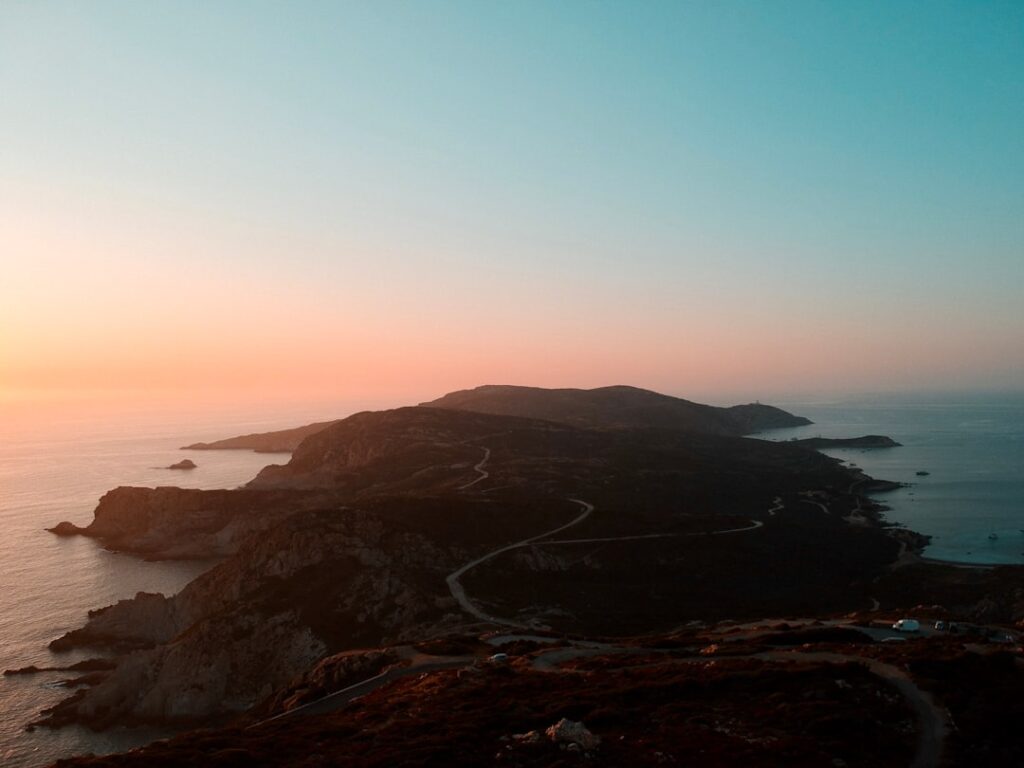
Corsica, the Island of Beauty, pairs steep mountains, jagged coastlines and remote villages. That landscape demands practical planning to get around: historic mountain trains, local bus networks and car rental services form the backbone of island mobility. This comprehensive guide aims to explain, detail and illustrate the options available for any traveler wanting to explore the island in high season or off-season. It’s written for tourists, temporary residents and professionals on the move.
On an island of 8,680 km², straight-line distances don’t always reflect travel time: winding roads, mountain passes and protected areas lengthen journeys and affect service frequency. Corsica has a main railway line operated by the Chemins de Fer de la Corse (CFC), linking Bastia, Corte, Ajaccio and Calvi, but it’s not a high-speed network — expect slow, scenic trains with frequent stops. Bus services fill in coverage, especially between villages and beaches; finally, for many people a car remains the most flexible way to reach inland spots and secluded coves.
This guide gives detailed station addresses, main bus stops, typical schedules and usual fares (in euros), along with practical tips — mountain driving safety, parking constraints in town centers, car hire and recommended filling stations. You’ll also find visual cues to help plan your routes and photo stops, with image markers embedded in the text to illustrate landscapes and points of interest. At the end, a local advice section prepares you for the practical realities: summer rush hours, common behaviors, driving recommendations and money-saving tips for transport.
The focus here is on practical information: exact addresses of main terminals, typical timetables (morning/noon/evening), price ranges for tickets and rentals, plus immersive descriptions to help you pick the transport mode best suited to your travel plans. Whether you arrive by ferry at Bastia port or at Ajaccio Napoléon Bonaparte Airport (Route de Campo dell’Oro, 20090 Ajaccio), or want to cross the island by train to reach Corte for hiking, this guide will help you plan your Corsican travel efficiently.
1) Trains in Corsica — Network, Stations, Timetables and Practical Tips
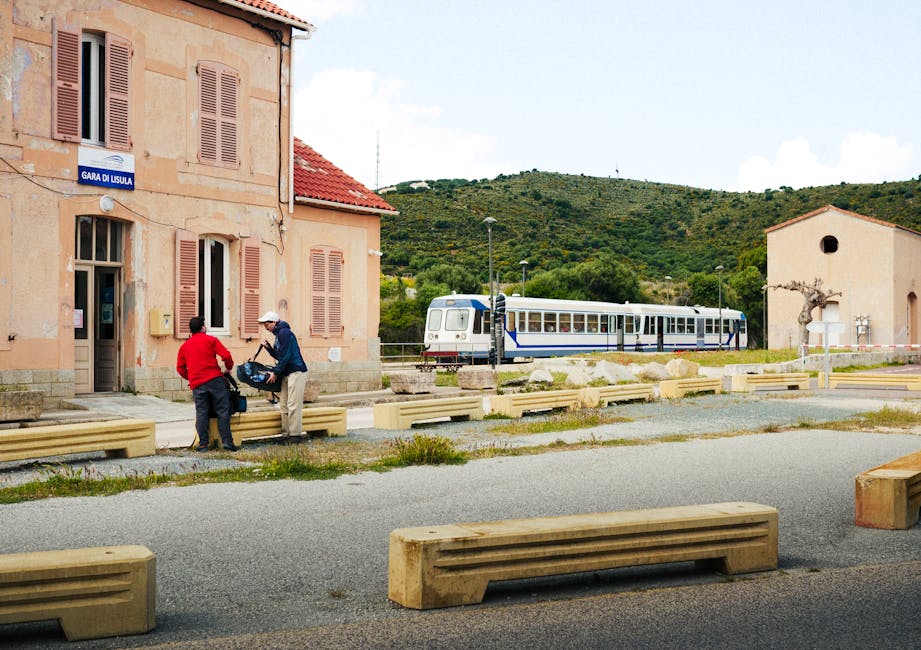
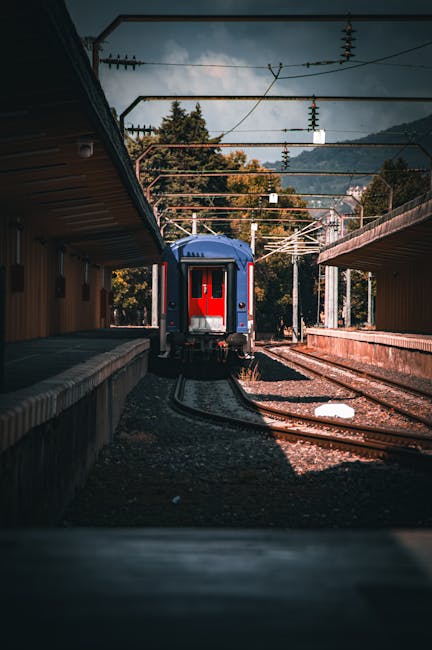
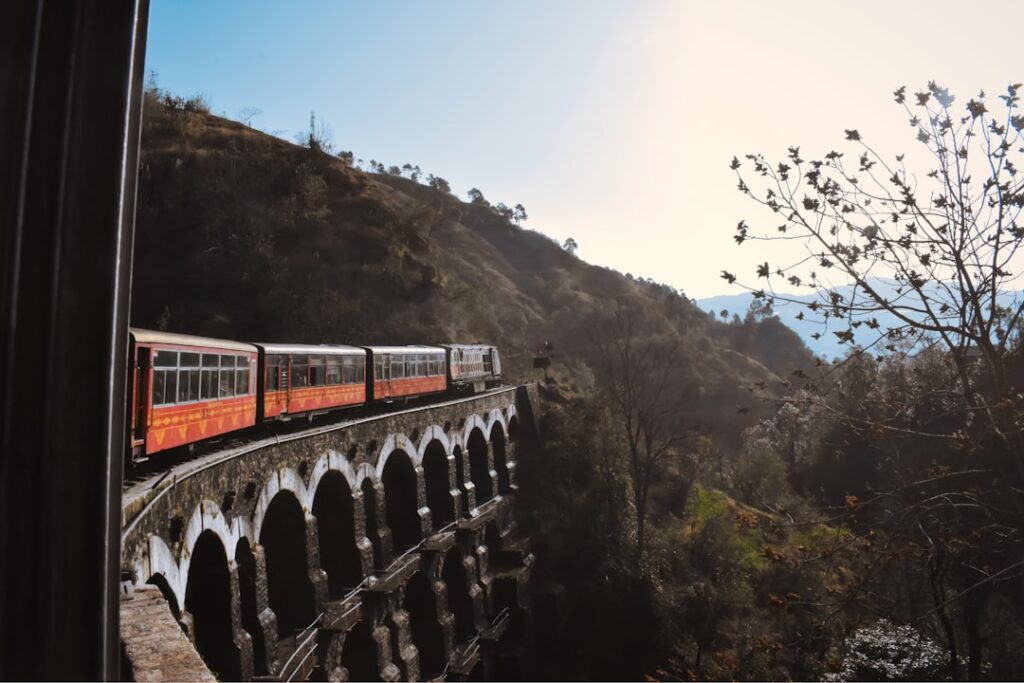
Corsica’s railway network is run by the Chemins de Fer de la Corse (CFC, sometimes referenced under SEMTC). The main line links Bastia to Ajaccio via Corte, with a branch to Calvi from Ponte-Leccia. The trains are often called “tram-trains” for their pace, ability to climb steep grades and their panoramic views. They are slow but picturesque: expect journeys punctuated by tunnels, viaducts and sea and mountain vistas.
Main stations and addresses:
- Bastia Station — Place du Maréchal Leclerc, 20200 Bastia. Ticket office hours: generally 06:00–12:00 and 14:00–18:00 on weekdays (seasonal variations). Tickets available at the counter and from machines.
- Corte Station — Place d’Armes, 20250 Corte. Limited ticket office hours: be aware of reduced opening times off-season; check before you travel.
- Ajaccio Station — Place du Maréchal Juin, 20000 Ajaccio. Ticket office open in the morning and early afternoon depending on season.
- Ponte-Leccia Station — Route de Ponte-Leccia, 20218 Morosaglia (near Ponte-Leccia). Connection point for Calvi services.
- Calvi Station — Avenue Christophe Colomb, 20260 Calvi. Access close to the marina.
Timetables and frequencies (indicative, seasonal):
- Bastia → Ajaccio via Corte: 3 to 4 trains/day most of the year, more in summer. Duration: around 3 h 15 to 4 h depending on stops. Typical departures: 07:00, 11:30, 15:30 (check official schedule).
- Ponte-Leccia ↔ Calvi: 4 to 6 round trips/day in high season; 2 to 3 in low season. Duration: about 1 h 30.
- Local trains between Bastia and Casamozza or Moriani: several services/day, handy for beaches and small towns.
Fares (typical ranges):
- Bastia ↔ Ajaccio ticket: roughly €16 to €28 depending on booking and season.
- Bastia ↔ Corte: €8 to €15.
- Ponte-Leccia ↔ Calvi: €6 to €12.
Practical tips:
- Book in summer for tourist trains, especially on weekends. Tickets can be bought at stations, from machines or via the official Chemins de Fer de la Corse website.
- Trains aren’t ideal for bulky luggage; opt for soft bags if you plan hikes and train transfers.
- Enjoy the views: bring a windbreaker, as exposed sections can be chilly on viaducts.
- Timetables can change in winter: check the official site or Bastia tourist offices (Office de Tourisme de Bastia, Place Saint-Nicolas, 20200 Bastia) before you set off.
2) Buses and Coaches — Road Network, Bus Stations, Fares and Schedules
Buses fill gaps in the network, especially for intercity links and connections to villages not served by rail. Services vary: urban buses (Ajaccio network, Bastia etc.), regional coaches (Corsica regional network) and private operators for some seasonal routes. Offerings change by municipality and season — in summer, seasonal lines serve beaches and tourist sites.
Boarding points and key addresses:
- Bastia Bus Station — Avenue Hyacinthe Vazzio, 20200 Bastia (near the port). Ticket counter and stops for intercity coaches.
- Ajaccio Bus Station (RTA) — Place de Gaulle / Boulevard Lantivy, 20000 Ajaccio. Urban and intercity stops.
- Porto-Vecchio Bus Station — Place Charles de Gaulle, 20137 Porto-Vecchio. Seasonal links to Bonifacio and the beaches.
- Regional network stops (School & Regional Lines) — check with the Tourist Office or Town Hall for detailed timetables.
Typical schedules and frequencies:
- Ajaccio urban lines (RTA): departures every 15–30 minutes during the day on main routes (06:30–20:30), reduced at night.
- Bastia ↔ Île-Rousse / Calvi coaches: 3–5 departures/day depending on season, leaving early morning (06:00–09:00) and returning late afternoon (16:00–19:00).
- Porto-Vecchio ↔ Bonifacio: frequent services in summer, first connection around 07:30, last around 20:00.
Typical fares:
- Urban bus: single fare around €1.50 to €2.00 (ticket valid 1–2 hours depending on the network).
- Short intercity coach (under 50 km): €3 to €8.
- Longer journeys (Bastia ↔ Calvi/Ajaccio): €8 to €25, depending on distance and season.
- Local season passes: monthly rates for workers/students vary by commune (ask at the bus station or town hall).
Local tips:
- Seasonal lines to beaches can be crowded in July–August; arrive early at the boarding point.
- Ask the local tourist office for maps and timetables (for example, Office de Tourisme d’Ajaccio, 19 Boulevard Lantivy, 20000 Ajaccio).
- Have change on hand: if you buy a ticket on board, drivers may not be able to give change for large bills.
- Consider carpooling for infrequent stretches: local platforms or Facebook groups can help find direct rides.
3) Driving in Corsica — Rental, Driving, Parking and Costs
Renting a car in Corsica is common and often essential to reach hidden coves, mountain passes and inland villages. Major international brands (Avis, Europcar, Hertz) operate at airports and ports, alongside local rental companies that sometimes offer better rates or vehicles suited to local roads (4x4s, small city cars for narrow streets).
Pickup locations and points to know:
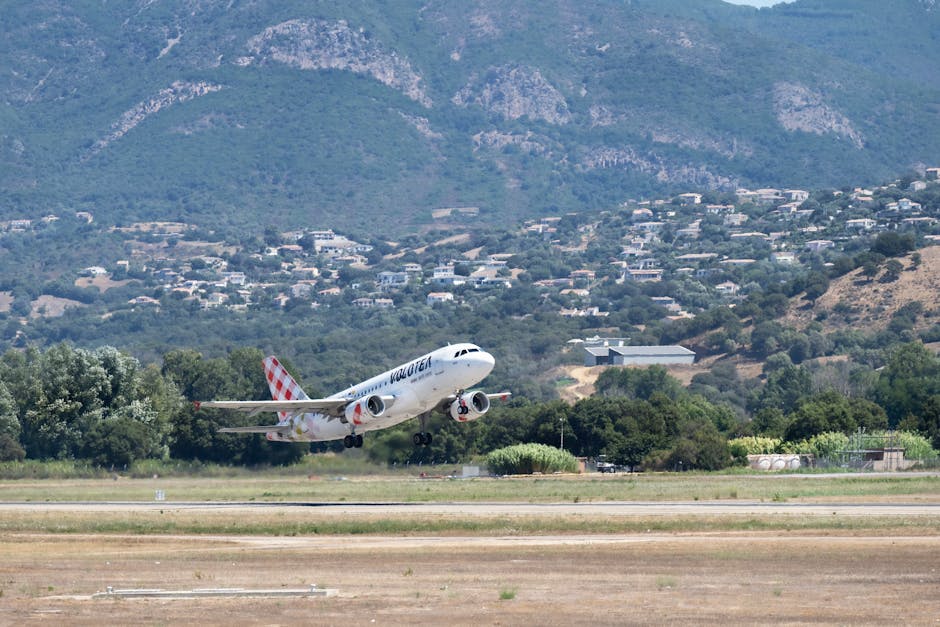
- Ajaccio Napoléon Bonaparte Airport — Route de Campo dell’Oro, 20090 Ajaccio. Rental desks are in the arrivals hall. Opening hours vary; most are open 07:00–22:00 in summer.
- Bastia-Poretta Airport — Route de Lucciana, 20290 Lucciana. Desks in the central hall, available from the first morning flights.
- Port of Bastia (Commercial Port) — Quai Gamelli, 20200 Bastia. Some local agencies have offices near the ferry arrival points.
Indicative rental rates:
- Small city car (Renault Clio or equivalent): €30 to €70/day in summer, €20 to €40/day off-season.
- Compact/saloon (Peugeot 308 or equivalent): €45 to €90/day in high season.
- 4×4/SUV (Nissan Qashqai or equivalent): €60 to €140/day depending on availability.
- Long-term rental (7+ days): discounts are common; security deposits sometimes range from €500 to €1500 depending on the credit card.
Additional costs:
- Fuel: prices vary, around €1.80 to €2.10/L (keep an eye on station prices).
- Extra insurance (CDW/TP): €10 to €20/day if not included.
- Parking: in Ajaccio or Bastia city centers, paid parking €1.00 to €2.50/hour; day parking €6 to €15 depending on location.
Driving tips:
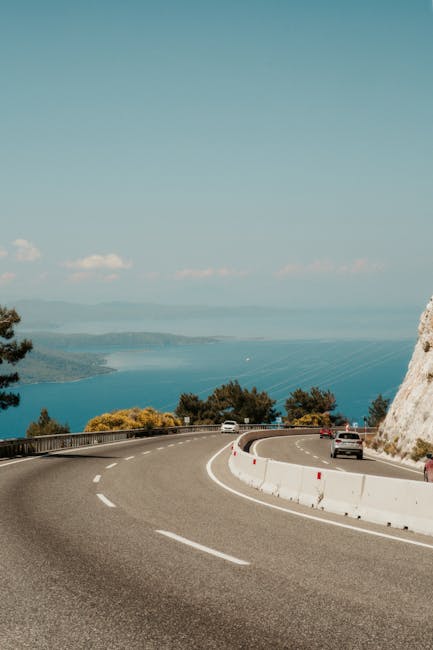
- Observe speed limits: 90 km/h outside built-up areas (on two-way roads), 50 km/h in towns; on mountain roads, safe speed is often lower than the posted limit.
- Watch for narrow roads and risky overtaking: drive carefully, use hairpin pull-outs to let faster vehicles pass.
- Choose a compact car for historic centers (tight streets); only book a 4×4 if you plan to drive unpaved tracks.
- Parking: prefer official car parks. In summer, arrive early at beaches and attractions to find a spot.
4) Intermodal Connections, Ferries and Practical Tips to Optimize Travel
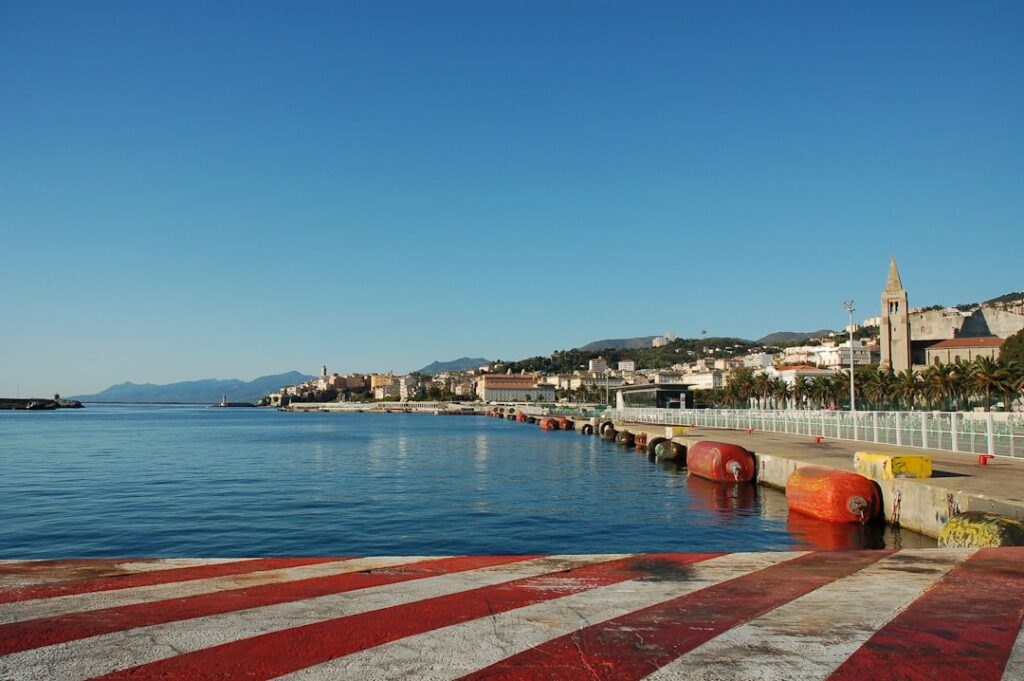
Efficient island mobility relies on mixing train + bus + car + ferry. disembarkation ports (Bastia, Ajaccio, Porto-Vecchio, Propriano, Île-Rousse, Calvi) are key hubs: planning the onward journey before arrival saves time, especially off-season when buses and trains run less frequently.
Main ports and addresses:
- Port of Bastia — Quai Gamelli, 20200 Bastia. Ferry reception and disembarkation services, taxis and buses nearby.
- Port of Ajaccio — Avenue du Général Netter / Quai Lantivy, 20000 Ajaccio. Close to the town center and bus station.
- Port of Porto-Vecchio — Quai Paolo Della Giustina, 20137 Porto-Vecchio. Seasonal links to nearby islands and Sardinia.
- Port of Calvi — Boulevard Wilson, 20260 Calvi. Near the citadel and the train station.
Ferry schedules and fares (examples):
- Overnight crossings from Marseille or Nice: prices range from €40 to €150 depending on season and cabin type; crossings average 10–12 hours overnight, schedules vary by operator (check Corsica Ferries, SNCM/La Méridionale depending on season).
- Links to Sardinia (Santa Teresa di Gallura): prices vary €30 to €80; duration 30–90 minutes depending on the route and season.
Practical tips for combining transport modes:
- If you arrive late by ferry: book a hotel and a car in advance; agencies sometimes close early off-season.
- Allow generous connection times: trains and buses can be delayed, especially on mountain routes prone to bad weather.
- For short transfers between port and town center, take a taxi if several travelers split the fare (e.g. €10–€20 depending on distance).
- For tourist routes (Piana cliffs, Scandola, Cap Corse): book an organized tour if you don’t want to drive or depend on train/bus timetables.
Conclusion — Choosing the Best Way to Get Around Corsica
Getting around Corsica requires planning and flexibility. The train delivers a scenic, sustainable experience, ideal for travelers who enjoy a slower pace and the views. Buses complement the network, especially useful for reaching beaches and villages not on the rail line. A car remains the most flexible tool and is often necessary for deeper exploration, but it brings costs, driving constraints and parking headaches in high season.
Quick recommendations for different trip types:
- Short-stay discovery (3–5 days): choose a car if you want to visit multiple beaches and villages freely. Pick it up at the airport (Ajaccio Napoléon Bonaparte Airport, Route de Campo dell’Oro, 20090 Ajaccio or Bastia-Poretta Airport, Route de Lucciana, 20290 Lucciana) to save time.
- Slow travel / photography: reserve a seat on the panoramic trains, combine stays in Corte and Calvi for hikes and soft light at golden hours.
- Budget & eco-conscious traveler: favor buses and trains, plan connections carefully, use local passes if staying longer, and limit car rental to a few targeted days for excursions.
Watch-outs:
- Always check seasonal timetables: in low season many lines reduce frequency and ticket offices close earlier.
- Book in advance in high season (July–August) for cars, popular train seats and ferry crossings.
- Respect nature: coastal roads and trails are often fragile; park only in designated areas and follow signage to protect sensitive zones.
In short, good preparation turns the challenge of island mobility into an advantage: travel time becomes a chance to observe, a train or coach ride delivers unforgettable scenery, and the freedom of a car opens up secret coves and viewpoints off the tourist track. Plan your schedules around the listed addresses and distribution points (stations, airports, ports), anticipate costs and heed local tips for a smooth and memorable stay in Corsica.