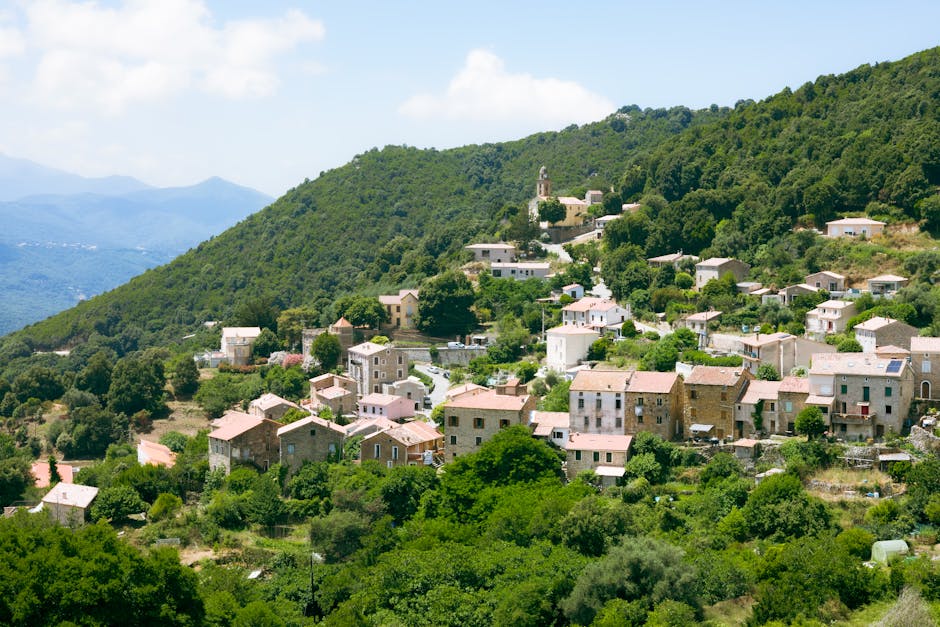






Introduction — Hiking and heritage: discovering 10 hidden villages in central Corsica
Central Corsica, the mountainous heart of the Isle of Beauty, is a place where stone whispers centuries of history and trails weave through pine forests, crystal-clear streams and pastoral plateaus. Far from the famous coastline, this mountainous interior hides little-known villages that offer a double prize: rich architectural and intangible heritage, and hiking routes that reveal dramatic panoramas and authentic atmospheres. This guide is built for curious hikers — those who want to combine physical effort with cultural discovery, mixing a few-hour walks with immersion in local life.
Each village featured here serves as a base for excursions, tasty stops and meetings with artisans, shepherds or passionate locals. You’ll find romanized churches, traditional shepherd huts, Genoese bridges, restored mills and sometimes small museums or local history houses that trace local episodes — often overlooked by mainstream tourist itineraries. Hiking in central Corsica is not just a succession of viewpoints: it’s a walk through time where human traces blend with the raw power of the elements.
This guide offers ten numbered stops, each dedicated to a specific village, with practical information: addresses (town hall or local information point), indicative opening hours (museums, tourist offices or typical local business hours), prices in euros for visits or parking when available, detailed descriptions of nearby hiking routes and heritage suggestions not to miss. You’ll also find local tips to optimize travel, the best seasons, how to avoid sensitive areas and how to enjoy the trails safely.
Before you set out, a few general recommendations: wear sturdy hiking boots (this is mountain hiking, not just flat paths), carry enough water (supplies may be scarce outside villages), bring a paper map or an offline GPS and respect pastoral rules (dogs on leashes, respect fences, do not pick protected plants). Weather can change quickly at altitude; check local forecasts and pack warm layers even in summer. Finally, favor small inns and local shops: your spending directly supports mountain communities and helps preserve heritage.
The main body of this guide is made up of ten numbered sections, each devoted to an off-the-beaten-path village in central Corsica. For every stop you’ll find an immersive description of the place, a suggested hike with duration and difficulty, the exact address of the information point (usually the town hall), useful hours, indicative prices and practical tips. Image markers are placed at the most visual spots to help you picture the landscapes before you go.
1. Corte — The university citadel and the Restonica gorges
Overview and heritage
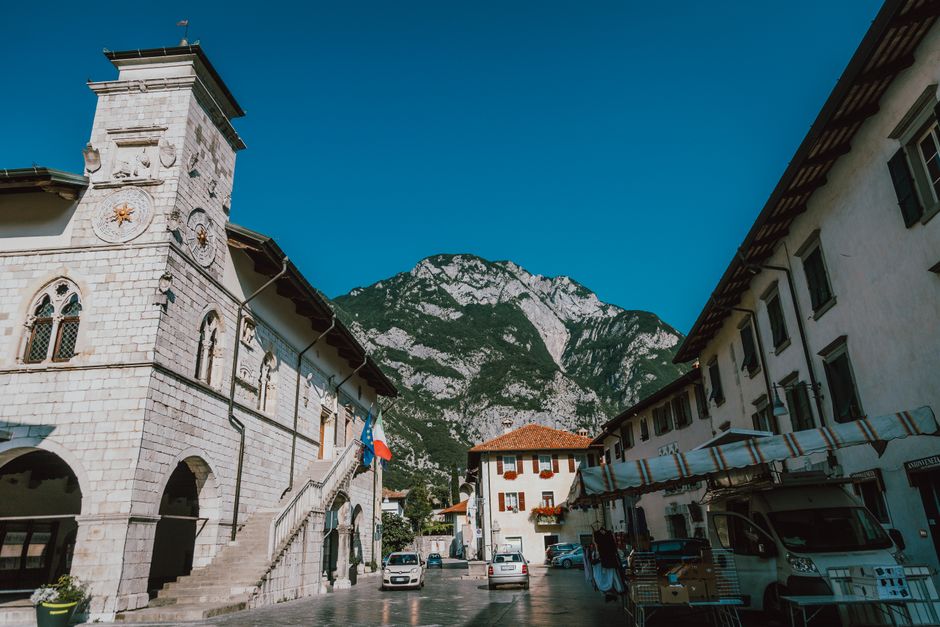
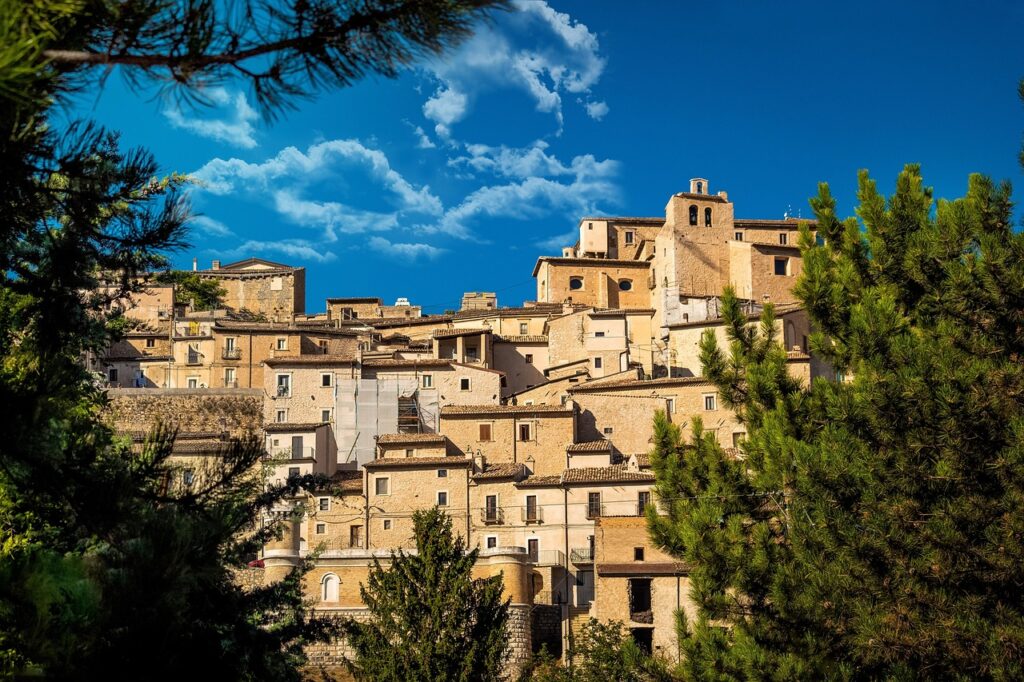
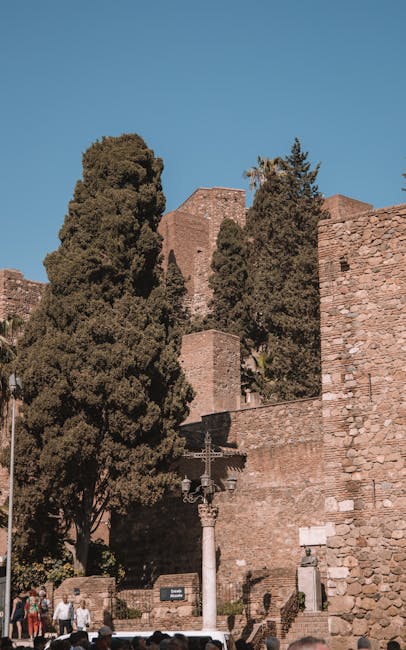
Corte is often the gateway to the central mountain region. More than a town, it’s a historic and cultural crossroads: the citadel, overlooking the valley and housing the Musée de la Corse, stands as a testimony to island identity. In the paved lanes, arcaded houses and small squares offer views over the Tavignano and Restonica valleys, two valleys that shape the central massif.
Useful address: Corte Town Hall, Place Paoli, 20250 Corte.
Town hall hours: Monday to Friday 8:30–12:00 / 14:00–17:30. Closed Saturday and Sunday.
Musée de la Corse (regional museum): Musée de la Corse, Citadel, 20250 Corte — Hours: 9:30–12:30 / 14:30–18:00 (high season June–September). Price: €6.00 (full price), €3.00 (reduced), free for under 12s.
Recommended hikes
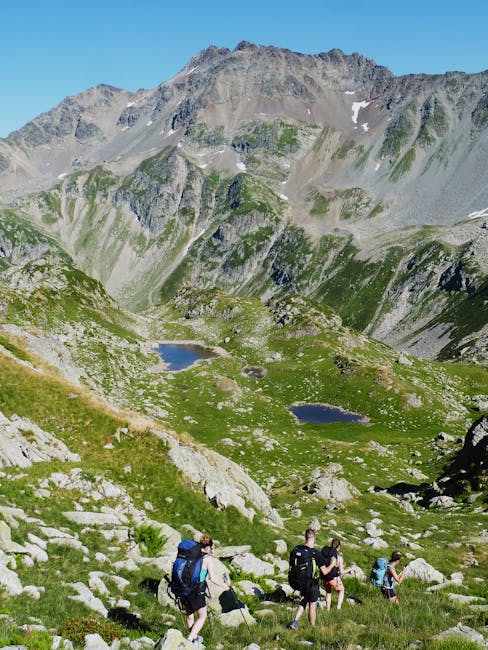
The Restonica valley offers several routes: the Restonica parking area (D623) is the starting point for the Melo and Capitello lakes. Classic route: Corte → Restonica parking (23 minutes by car, 17 km) → trail to Lac de Melo then Lac de Capitello. Duration: 4–6 hours round trip depending on pace. Difficulty: moderate to challenging, elevation gain ~600–700 m.
Local tips: the Restonica parking usually costs around €5.00 per vehicle in summer (visitor regulation and monitoring). Arrive early (before 9:00) to avoid crowds and heat. Local guides from Corte offer guided outings (e.g. Corte Tourist Office, Place Gaffory, 20250 Corte — Hours: 9:00–12:30 / 14:00–17:30). Price for a guided outing: €30–50 per person depending on duration.
2. Vivario and Vizzavona — Forests, rocky spires and railway heritage
Overview and heritage
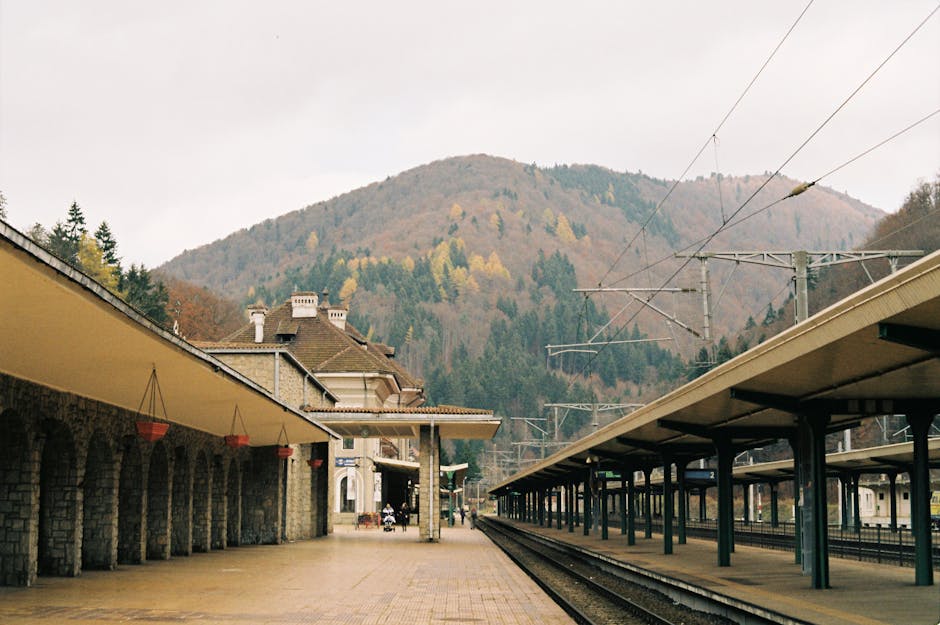
Vivario (commune of Vivario, 20219) and the hamlet of Vizzavona are known for their state forest, remnants of chestnut groves and for the famous Vizzavona station on the line that links Bastia to Ajaccio. The charm comes from the mix of railway heritage (small bridges, tunnels), stone houses and forest trails leading to summits like Monte d’Oro.
Useful address (information point): Vizzavona Station, 20219 Vivario — Station hours: vary with train schedules, ticket office often not permanently staffed. Check TER Corse timetables online.
Recommended hikes
Col de Vizzavona – Monte d’Oro: start from Vizzavona station. Duration: 6–8 hours round trip to summit Monte d’Oro (significant elevation gain, route technical in places). Difficulty: hard, reserved for experienced hikers. Bring a rope and alpine experience if you push on to the summit.
Cascade des Anglais trail: a family-friendly walk (1–2 h) starting from Vizzavona, ideal for a half-day. Price: free. Tips: the station allows you to arrange a loop using public transport — handy if you don’t have a car.
3. Bocognano — Typical market town, chestnut groves and pastoral trails
Overview and heritage
Bocognano (20290 Bocognano) is a mid-mountain village, historically a hub for transhumance, flanked by chestnut forests. Stone houses and public fountains paint a well-preserved rural picture. You’ll find restored shepherd huts and small displays of local crafts.
Useful address: Bocognano Town Hall, Place de la Mairie, 20290 Bocognano — Hours: Mon–Fri 9:00–12:00 / 14:00–17:00.
Recommended hikes
Bocognano ridge circuit: a 3–5 hour loop through chestnut groves and ridgelines overlooking the Prunelli valley. Distance: 10–14 km, difficulty: moderate. Highlights: San Quilicu chapel, old casacce (shepherd hut ruins).
Local tips: stop by the village grocery/tobacconist (Place de la Mairie) to pick up bread and local brocciu cheese. In autumn, the chestnut festival (dates vary, often in October) showcases products and know-how: free stalls, paid workshops €5–10.
4. Venaco — Mountain gateway and religious heritage
Overview and heritage
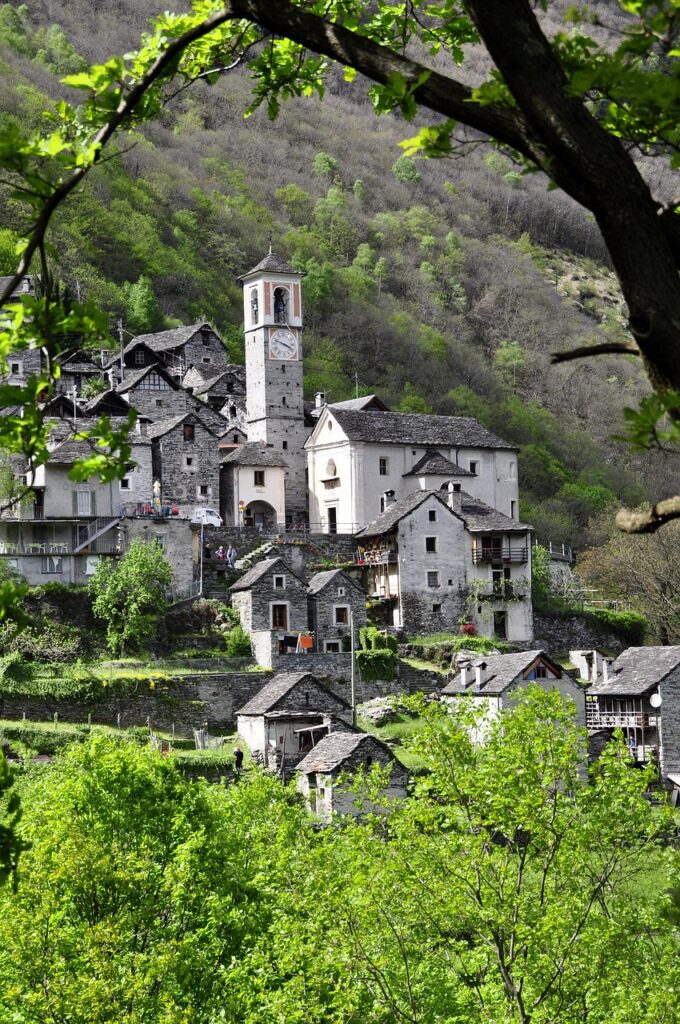
Venaco (20290 Venaco), a small town nestled against the slopes, is known for its tight cluster of houses around the parish church and its bridges over the Tavignano. Religious heritage, notably the church of Saint Peter and Saint Paul, reflects both baroque and medieval periods.
Useful address: Venaco Town Hall, Place de la Mairie, 20290 Venaco — Hours: Mon–Fri 9:00–12:00 / 14:00–17:00.
Recommended hikes
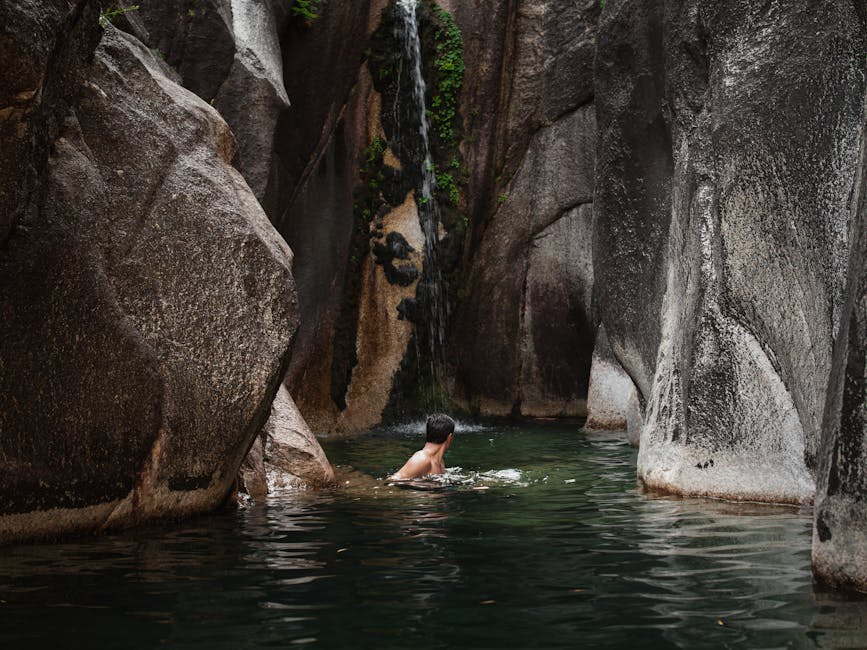
Tavignano trail: hike along the Tavignano, great for wildlife watching and swimming in rock pools. Duration: 2–4 hours depending on the section. Parking: small free parking areas around the village (free).
Tips: favor early hours for swimming (cool water), and avoid fenced-off areas during transhumance. Local shops often sell canned goods and artisanal charcuterie (prices vary, charcuterie €12–20/kg).
5. Ghisoni — Valley life and pastoral traditions
Overview and heritage
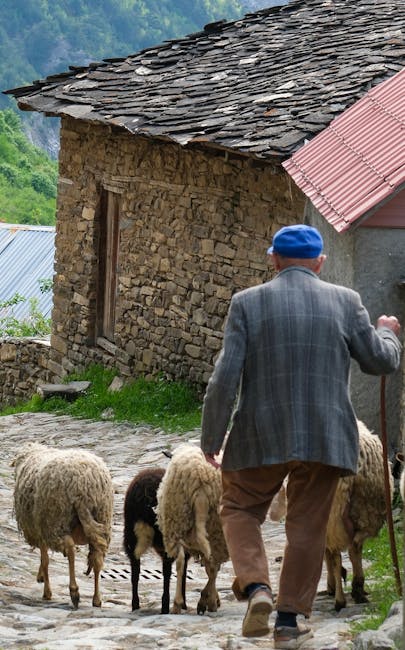
Ghisoni (20227 Ghisoni) is a pastoral center in the Vecchio valley, with a rich heritage of sanctuaries, shepherd huts and mule tracks. The village is an ideal base for exploring the Renosu area and nearby heights, with summer pastures where sheep and goats graze.
Useful address: Ghisoni Town Hall, Place de la Mairie, 20227 Ghisoni — Hours: Mon–Fri 9:00–12:00 / 14:00–16:30.
Recommended hikes
Renosu alpine meadows route: a 5–7 hour loop through alpine pastures, ideal for observing pastoral practices and cheesemaking. Tip: plan this visit in summer to see the shepherd huts in operation. Price: local cheese tastings €5–8 depending on the farm.
Local tips: respect flocks and electric fences, always ask the shepherd’s permission before crossing private parcels. The village sometimes offers themed guided visits (municipal office — fees €10–20 per person).
6. Zicavo — Mountain hamlets and historical heritage
Overview and heritage
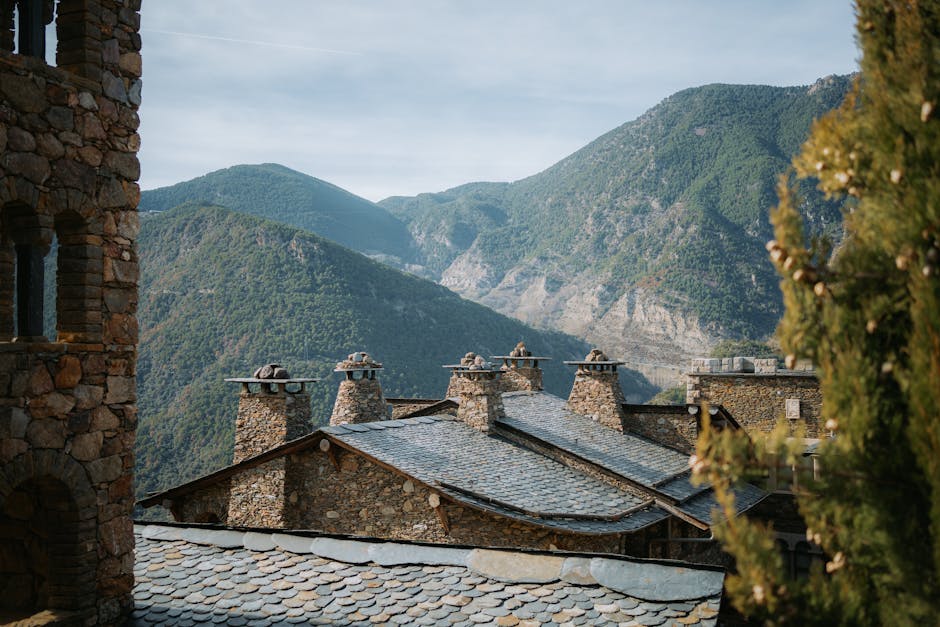
Zicavo (20132 Zicavo) is a high-elevation village known for its network of scattered hamlets, mule tracks and ancient chapels. Local architecture, adapted to altitude and stone, gives a stern but deeply authentic character.
Useful address: Zicavo Town Hall, Route Départementale, Place de la Mairie, 20132 Zicavo — Hours: Mon–Fri 8:30–12:30 / 14:00–17:00.
Recommended hikes
Crossing the traditional hamlets: a 4–6 hour loop linking several Zicavo hamlets, passing by shepherd huts and pastoral crossings. Conditions: trails are sometimes rocky—proper hiking boots are a must. Highlights: ridge views, rural architecture and quiet ideal for bird-of-prey watching.
Tips: check with the town hall before you go about flock presence. Bring water and a snack — shops are limited.
7. Aullène (nearby L’Ospedale) — Between forests and Genoese remains
Overview and heritage
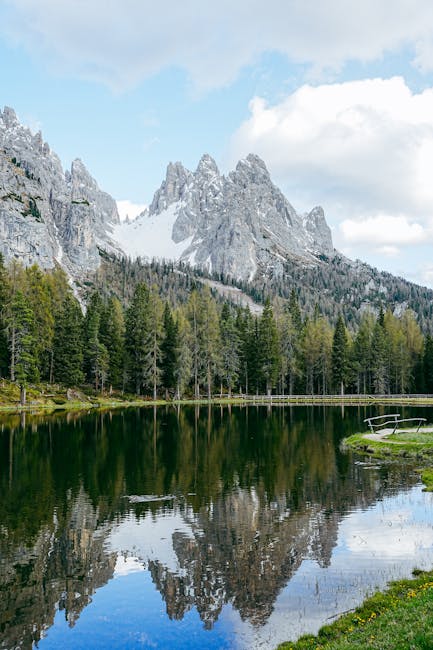
The commune of Aullène (20120 Aullène) sits in the southern part of the central mountains, close to the Ospedale massif. Although better known for its forests and the Ospedale dam, Aullène still preserves small chapels and ancient funerary sites. L’Ospedale, with its lake and rocky spires, offers stunning landscapes for hiking.
Useful address: Aullène Town Hall, Place de la Mairie, 20120 Aullène — Hours: Mon–Fri 9:00–12:00 / 14:00–16:30.
Recommended hikes
Lac de l’Ospedale and the spires: a 2–4 hour walk around the lake, or a more demanding route to the spires for 5–7 hours. Access: D368 road, Ospedale lake parking (free or donation). Tips: the site is very busy in summer; start early for tranquility and the best light for photography.
Local cuisine: restaurants near the lake serve trout and mountain dishes (main course €12–20). Try Corsican charcuterie specialties with sheep’s cheese.
8. Albertacce and Haut-Ghélon — On the trails of Cintu
Overview and heritage
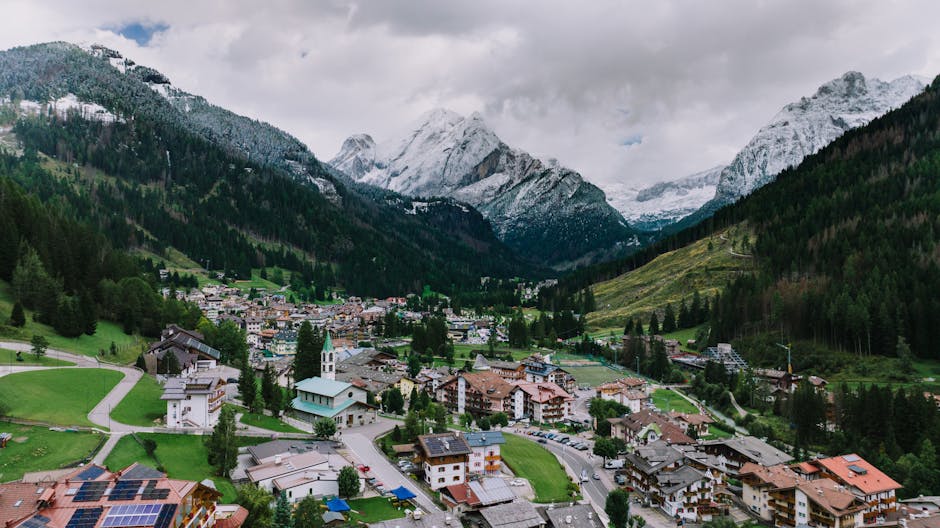
Albertacce (20224 Albertacce) sits at the foot of Monte Cinto, Corsica’s highest peak. It’s an authentic mountain place with hamlets, shepherds and pastoral vestiges. The commune is a gateway to high-mountain routes and glacial valleys shaped by ice.
Useful address: Albertacce Town Hall, Place de la Mairie, 20224 Albertacce — Hours: Mon–Fri 9:00–12:00 / 14:00–17:00.
Recommended hikes
Niolo valley: several mid-mountain routes ideal for observing pastoral life. Note: routes that lead to Monte Cinto are reserved for experienced hikers or those accompanied by a mountain guide. Price for a local guide (1 day): €120–200 depending on difficulty and group size.
Local tips: in high season, book accommodation and guides in advance. Mountain huts offer bedding and meals (dinner + overnight + breakfast: €35–60 depending on the refuge).
9. Sant’Andréa-di-Bozio — Between springs and stone-paved alleys
Overview and heritage
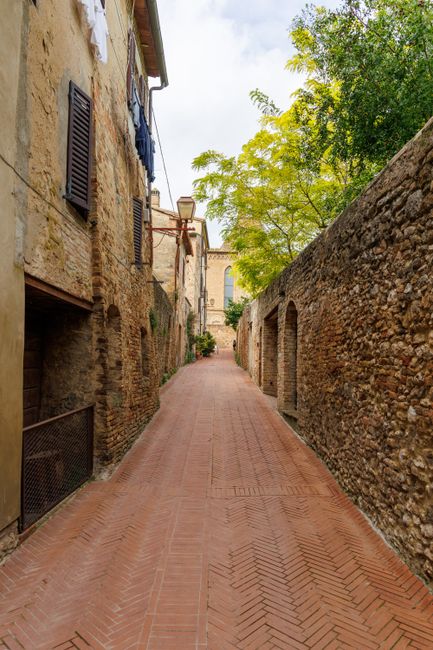
Sant’Andréa-di-Bozio (20218 Sant’Andréa-di-Bozio) is a quiet village marked by narrow lanes, fountains, stone-paved alleys and a rustic atmosphere that recalls traditional agro-pastoral practices. You’ll find small religious buildings and precious water points for hikers.
Useful address: Sant’Andréa-di-Bozio Town Hall, Place de la Mairie, 20218 Sant’Andréa-di-Bozio — Hours: Mon–Fri 8:30–12:00 / 14:00–16:30.
Recommended hikes
Spring trails: 2–4 hour loops linking springs, old bread ovens and chapels. Price: free. Tips: bring a water filter if you plan to refill from springs; ask locals about a spring’s reputation (some are clearer than others).
10. Poggio-di-Venaco (Poggio-di-Venaco hamlet) — Panoramic views and local heritage
Overview and heritage
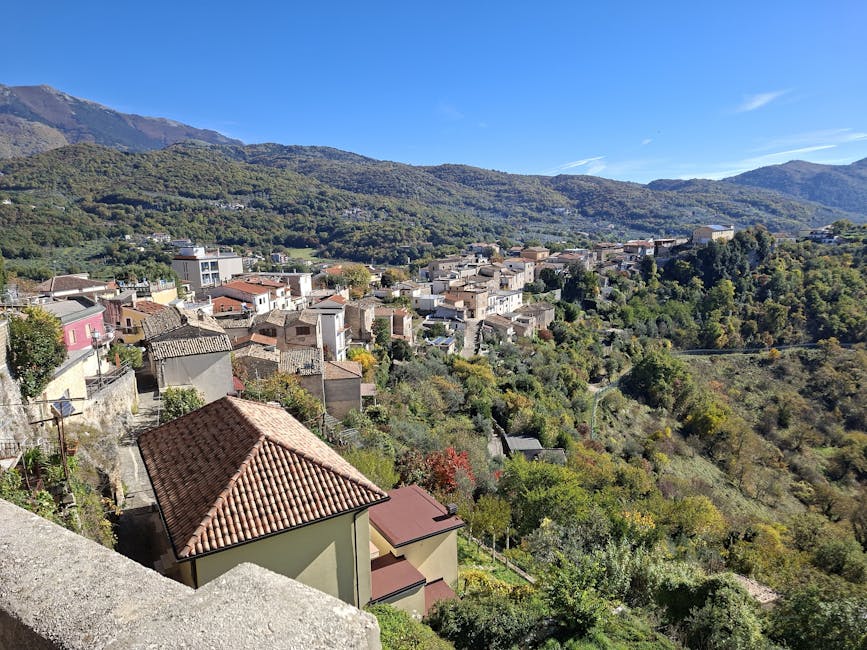
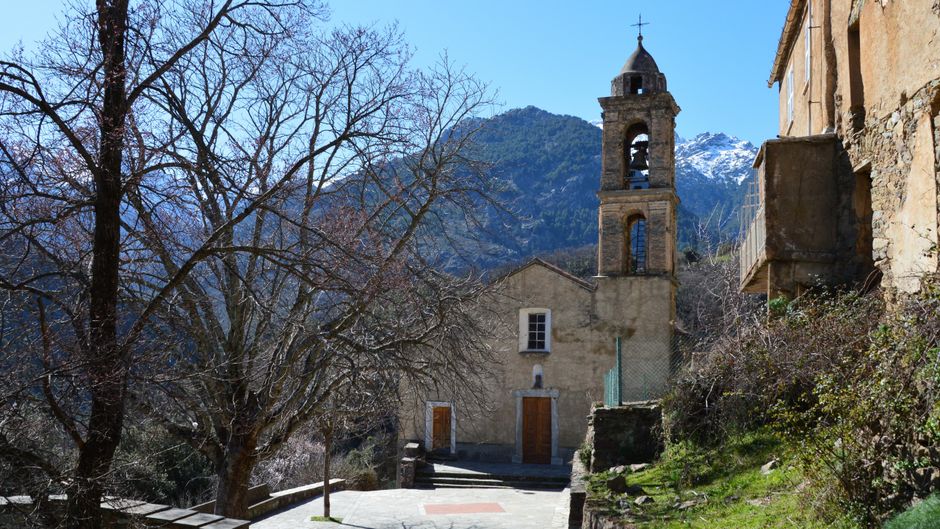
Poggio-di-Venaco (a small commune or hamlet dependent on Venaco) is known for viewpoints over the valleys and for small churches with ornate facades. It’s a great spot to taste rural Corsica, far from major tourist flows. Locals keep culinary and craft traditions alive, such as cheesemaking and local woodworking.
Useful address: Poggio-di-Venaco Town Hall (if there’s an information point) / Venaco Town Hall, Place de la Mairie, 20290 Venaco — Hours: Mon–Fri 9:00–12:00 / 14:00–17:00.
Recommended hikes
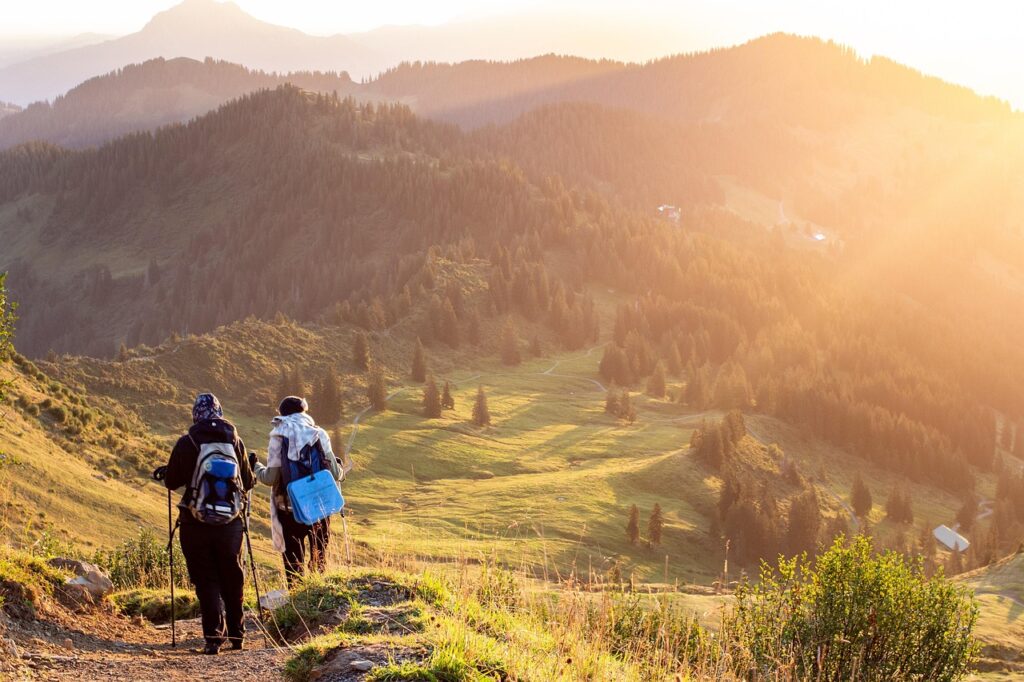
Panoramic ridges: a 3–5 hour loop offering deep valley views and panoramas of surrounding ridges. Difficulty: easy to moderate depending on the chosen route. Tips: this trail is perfect for a sunset after a day of heritage discovery.
Conclusion — Final tips for a respectful and rewarding exploration
Central Corsica offers a concentrated range of experiences: demanding hikes, pastoral paths, small squares and churches, local museums and encounters with residents who preserve ancestral know-how. The ten villages presented here are just a sample of the treasures to discover; they nonetheless reflect the spirit of the Corsican mountains: authenticity, effort and hospitality. Before you leave, a few last practical tips to get the most from your trip.
- Planning: schedule your stops taking into account town hall and tourist office opening hours (often closed weekends or late afternoons). The addresses given (town halls, stations) are reliable places to get maps and local information.
- Transport: a car remains the most flexible option to reach trailheads. The Bastia–Ajaccio rail line and some buses serve points like Vizzavona or Corte — check TER Corse timetables and intercommunal bus lines.
- Gear: high-cut hiking boots, first aid kit, layered clothing, sun protection, headlamp if planning long hikes. Carry plenty of water: some routes have no usable water points in summer.
- Respecting heritage: don’t move stones from shepherd huts, don’t pick protected plants and respect livestock fences. When visiting producers or shepherds, favor paid tastings (€5–15) to support the local economy.
- Safety: always tell someone your itinerary, especially for high-altitude hikes (Monte d’Oro, Monte Cinto). Weather changes fast: check local forecasts and avoid mountain storms. In an emergency call 112 (European emergency number).
- Best seasons: spring (May–June) for flowering landscapes and mild temperatures; September–October for light, milder heat and harvest season. Summer can be busy at certain sites (Restonica, Ospedale) — start early.
- Accommodation: family inns, gîtes and small local hotels are common; typical rates: double room €50–110 depending on standard, table d’hôtes €18–30 per person. Mountain refuges often offer half-board for €35–60.
This guide aims to give you the keys to successful stays that combine hiking effort with the discovery of living heritage, not something frozen in time. Exploring these villages you’ll share not only panoramas but also stories — those of families, shepherds and artisans who keep traditions alive. Take the time to talk, taste and buy local: every gesture helps preserve these lesser-known, precious places.
Finally, let yourself be surprised. Central Corsica often reveals itself to those willing to walk its paths, climb its ridges and sit for a moment on a warm stone to listen to the wind. Happy hiking and rich heritage discoveries!