





Introduction — Hidden inland villages of Corsica to explore off-season
The interior of Corsica is a world apart from the crowded beaches and well-trodden coastal trails. In the off-season — late autumn, mild winter or early spring — inland villages show their true colors: quiet streets, soft light, alleys warmed by ochre hues and residents who take their time. This general guide takes you to the heart of those secret villages you stumble across by looking up at a carved lintel, following a thyme-scented path or stopping at the village bar to listen to elders swap mountain stories.
We cover villages reachable by car but requiring care on narrow roads, perched hamlets with unexpected vistas and central market towns where small museums and tourist offices keep local memory alive. You’ll find practical details: full place names, exact addresses (town halls, tourist offices, museums), prices in euros, typical opening hours and vivid descriptions to help plan your walks outside high season. I also include local tips for dealing with shifting weather, avoiding seasonal closures and enjoying rustic Corsican cuisine.
Off-season, accommodation becomes scarcer in the smallest villages: family-run guesthouses and B&Bs often stay open, but booking ahead and confirming restaurant and site hours is wise. Public transport is reduced: prioritize a car or motorcycle, or arrange a transfer from a larger town. Note museum and tourist office hours — some sites operate a reduced schedule.
This guide is split into detailed sections, each focused on a particular area or village in inland Corsica. Every section includes descriptions, exact addresses, indicative prices in euros, usual opening times and on-the-ground tips. I’ve also added visual cues to inspire your photos — image markers use English keywords to spark ideas. Ready to go? Grab a windbreaker and join us off-season, when Corsica reveals an intimate, almost confidential face.
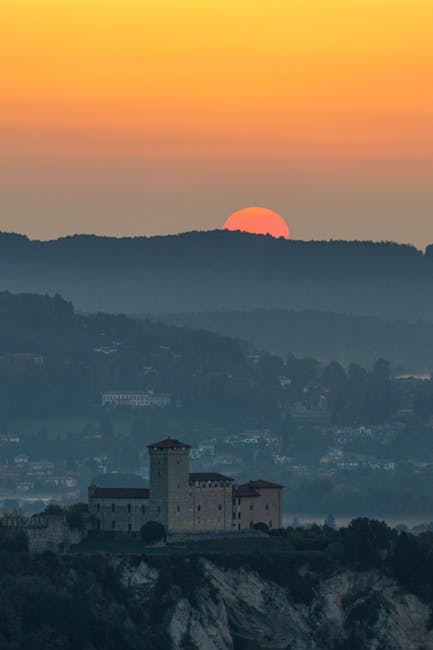
1) Corte (Corti) — historic heart and nearby mountains
Corte, spelled “Corti” in Corsican, is the historic capital of the island’s interior and a great base for exploring inland Corsica. Dominated by its citadel, the town blends heritage, museums and mountain trails like the Restonica valley. The Citadel of Corte is located at: Rue de la Citadelle, 20250 Corte. Access to the citadel is generally free, but the Musée de la Corse housed in the citadel charges admission: Musée de la Corse, Citadelle, 20250 Corte — indicative price €6.00 full, €4.00 reduced. Typical opening hours (regular season): April–October 10:00–18:00; November–March 10:00–12:30 and 14:00–17:00. Museum office phone: +33 4 95 46 24 10 (check before you travel).
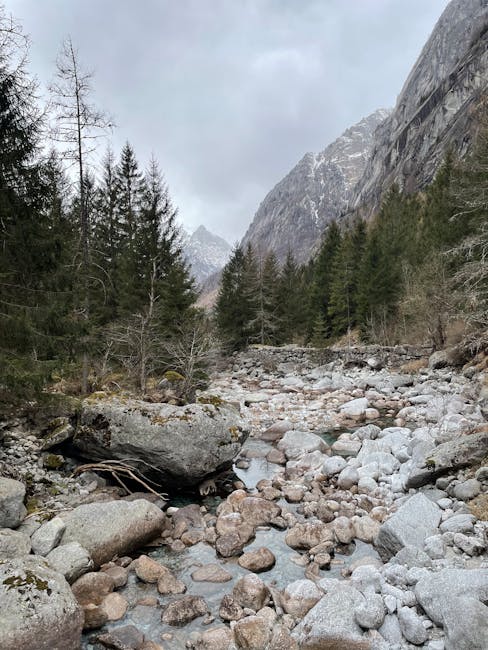
Corte Tourist Office — Palais de Justice, Place Paoli, 20250 Corte. Off-season hours: generally 09:00–12:30 and 14:00–17:00 (closed Sundays and public holidays). The Restonica, with its natural pools and granite needles, is accessible from the Verghju parking area: Parking de la Restonica, D623, 20250 Corte — parking is paid in high season, often free off-season depending on conditions. Recommended walk: take the trail up to Pozzi de Melo (about 1h30 round trip) for clear pools and an unforgettable photo.
Restaurants and practical tips: for a simple, local meal try « A Casa Vecchia » — 12 Rue Xavier Colonna, 20250 Corte (traditional dishes; main courses roughly €12–22). For coffee and Corsican snacks, try « Café de la Place » — Place Gaffory, 20250 Corte; approximate off-season hours 08:00–20:00. Local tip: off-season, double-check restaurant hours and book ahead; bring hiking shoes for the Restonica, where rocks can be slippery after rain.
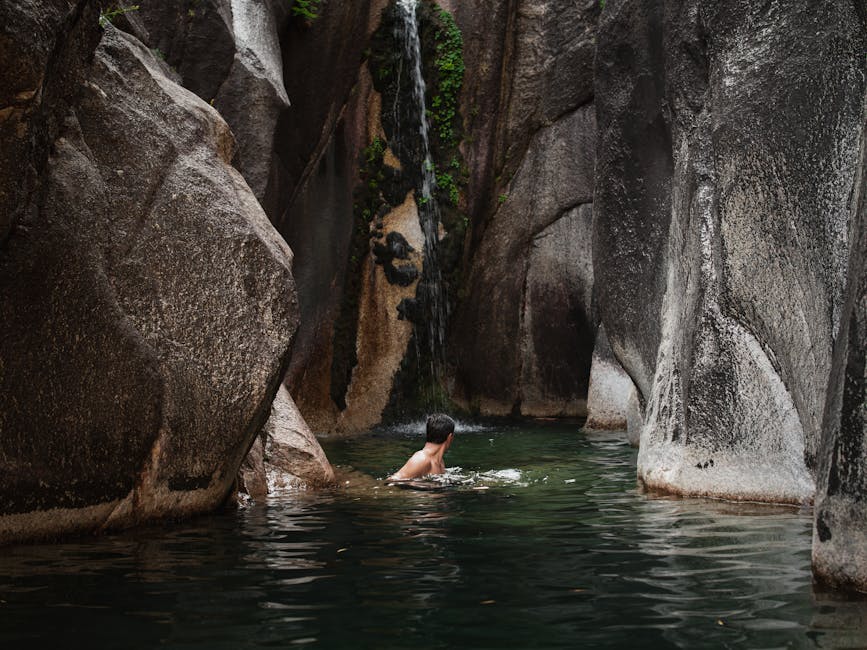
2) Pigna and the perched villages of the Balagne — crafts and stone alleys
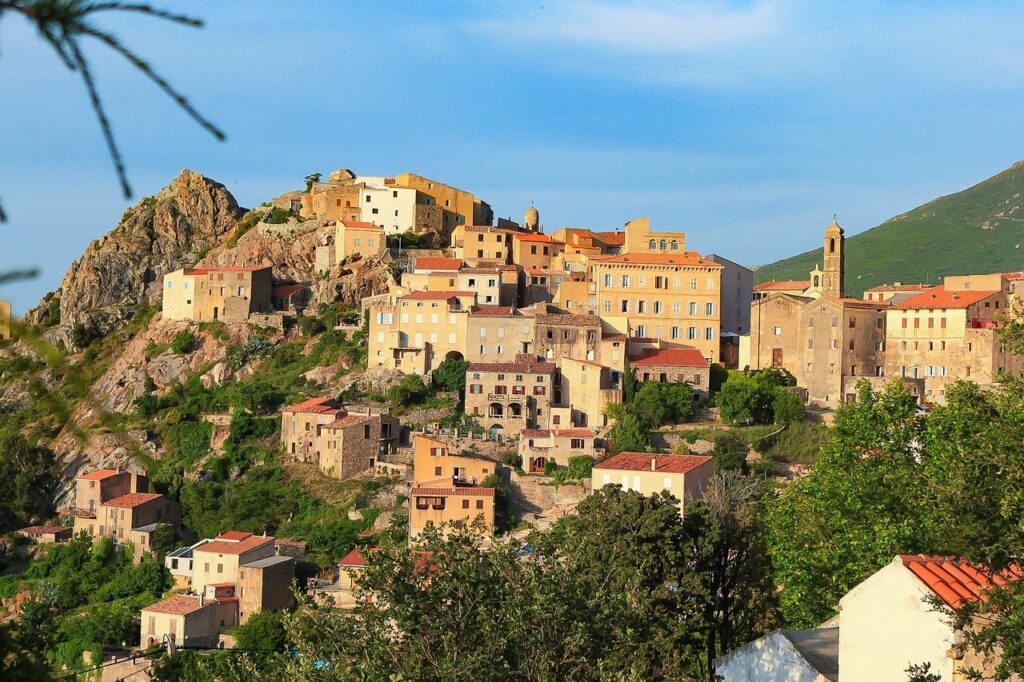
Balagne isn’t just coastal. Inland, Pigna and other hilltop villages offer a calm counterpoint with lively cultural activity. Pigna is famous for its cultural center and artisan workshops. Town hall of Pigna — Place de la Mairie, 20220 Pigna. Cultural center address: Espace Culturel de Pigna, Place di a Scuola, 20220 Pigna. Artisan workshops (pottery, sculpture) often charge a small entry fee, between €3.00 and €8.00, or operate on a donation basis. Typical hours: 09:30–12:30 and 14:30–18:00, but they vary greatly off-season — call before you go.
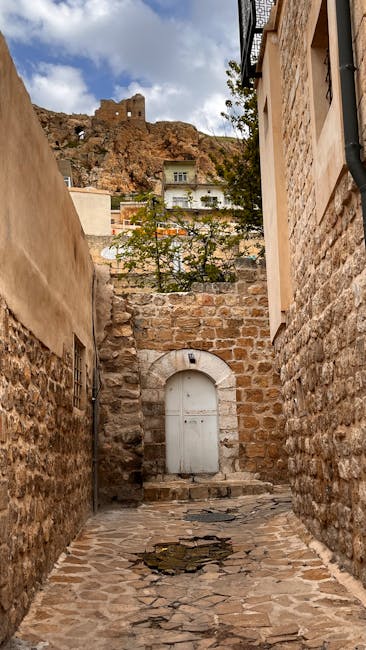
Sant’Antonino, a few kilometres away, is another must-see hilltop village: Town hall of Sant’Antonino, Place de la Mairie, 20220 Sant’Antonino. Its medieval tower and cobbled streets offer views over Calvi Bay and the mountains. Don’t miss the panoramic walk that circles the village (about 45 minutes), perfect at sunset.
Activities and prices: workshops and temporary exhibitions often €5–10 entry; tastings of local products (cheeses, charcuterie, honey) range around €6–15 for a tasting board. Practical tips: streets are narrow and steep — comfortable shoes are essential; off-season some workshops close on weekdays, so aim for weekends or call the town hall to confirm. Photographers will love the low morning light and the warm tones of stone facades.
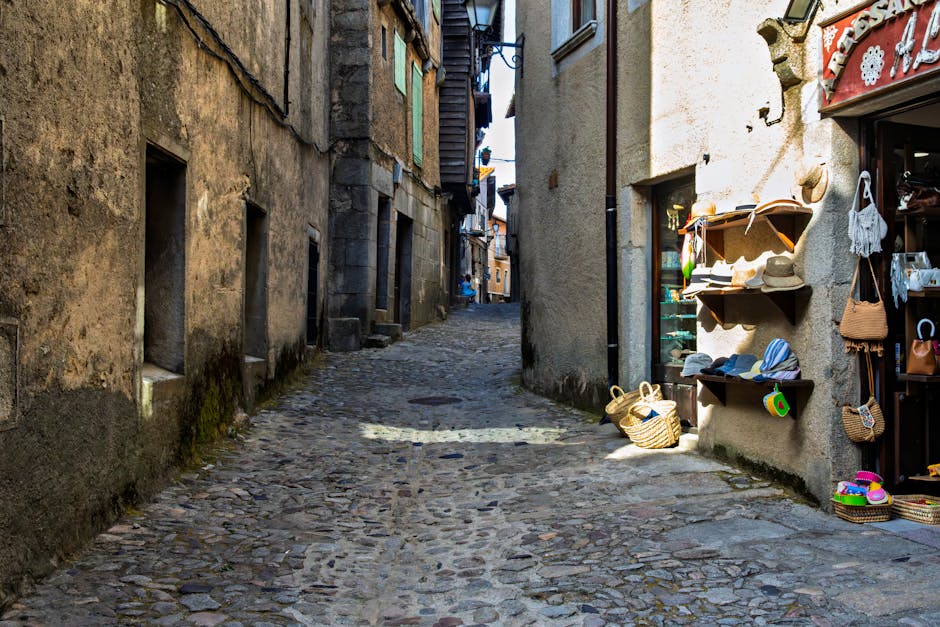
3) Evisa and the Scala di Santa Regina — granite cliffs, needles and high forests
Evisa (Commune d’Evisa) is a village on the edge of the mountain massif, known as the gateway to the Scala di Santa Regina, a spectacular gorge carved in granite. Town hall of Evisa — Place de la Mairie, 20126 Evisa. Local tourist office: Regional Natural Park House of Corsica — Route de la Scala, 20126 Evisa (off-season hours vary). The D71 road that leads to the Scala offers many viewpoints and picnic spots — off-season, bring warm clothes and be cautious in foggy conditions.
Hiking and prices: access to the trails is free. If you hire a local guide for the day (Glyka hike or other mountain routes), expect €60–120 for a half-day depending on the guide and group size. Accommodation: small inns and rural gîtes around Evisa offer rooms for €50–90 per night off-season. Local restaurants: « Auberge U Fiume » — Route D71, 20126 Evisa (main dishes €12–20, daily menu €18–25 off-season). Inn opening hours: often 12:00–14:00 and 19:00–21:00, sometimes closed on weekdays off-season.
Immersive description: the Scala di Santa Regina is a series of vertical walls, water basins and conifers that shift color with the light. Off-season the mood is dramatic and the waterfalls regain their voice after rains. Tips: layer up, bring water and trekking poles; tell someone your route if hiking alone. Mobile signal can be patchy inside the gorge.
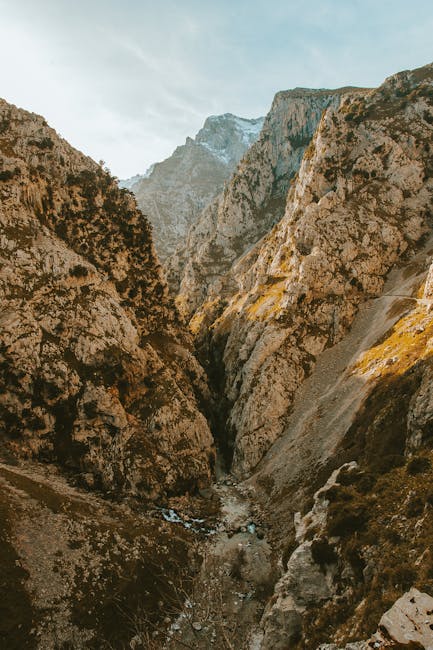
4) Zonza and the Bavella Needles — pines, wild walks and rural gastronomy
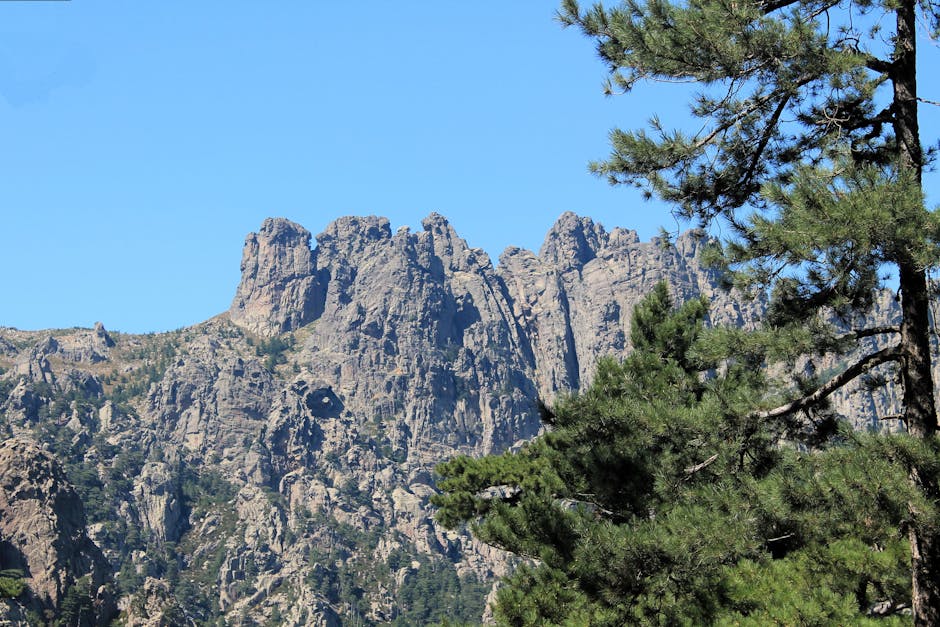
Zonza (Town hall of Zonza, Place Padru, 20124 Zonza) is the gateway to the famous Bavella Needles (Aiguilles de Bavella). Zonza provides practical services for hikers: tourist offices, gîtes and a handful of family-run restaurants. Zonza Tourist Office — Place Padru, 20124 Zonza. Off-season hours: typically 09:00–12:00 and 14:00–17:00. Parking at trailheads (Col de Bavella) is free off-season but getting an early start helps avoid morning mist.
Activities: hikes to Punta di l’Oriente, panoramic drives and riverside swims. Local guides run half-day outings from about €50 per person (minimum group size). Recommended restaurants: « U Fureghju » — Route de Bavella, 20124 Zonza (main courses €14–25); « Auberge de Bavella » — Col de Bavella, 20124 Zonza (rustic menu €20–30). Tip: off-season some places close during the week; call ahead.
Off-season experience: morning mist wraps the needles and turns the landscape into a stage of silhouettes. Laricio pines release a resinous scent that lingers on clothing. Practical tips: fuel and groceries are limited in Zonza — fill the tank before heading out. Bring waterproof layers — weather changes fast and winds on the ridges can be sharp.
5) Calacuccia and the Niolo region — lakes, dams and alpine serenity
The Niolo, with Calacuccia Lake and its wild valleys, is one of the least visited parts of inland Corsica. Calacuccia (Town hall of Calacuccia, Place du Village, 20219 Calacuccia) is a small village beside the eponymous lake: Lac de Calacuccia, Route D84, 20219 Calacuccia. The lake is perfect for peaceful strolls, fishing and contemplation off-season. Guesthouses and B&Bs offer attractive off-season rates: €45–80 per night depending on comfort.
Activities and access: lakeside walks, mountain-biking on pastoral tracks, fishing (permit required; check with the town hall). The dam and scenic road provide majestic viewpoints over the valley and surrounding peaks. Local cafes and inns: « Le Refuge du Niolu » — Route du Lac, 20219 Calacuccia (dishes €10–18). Opening hours: often 08:00–20:00 in high season, reduced hours off-season (closed mid-afternoon).
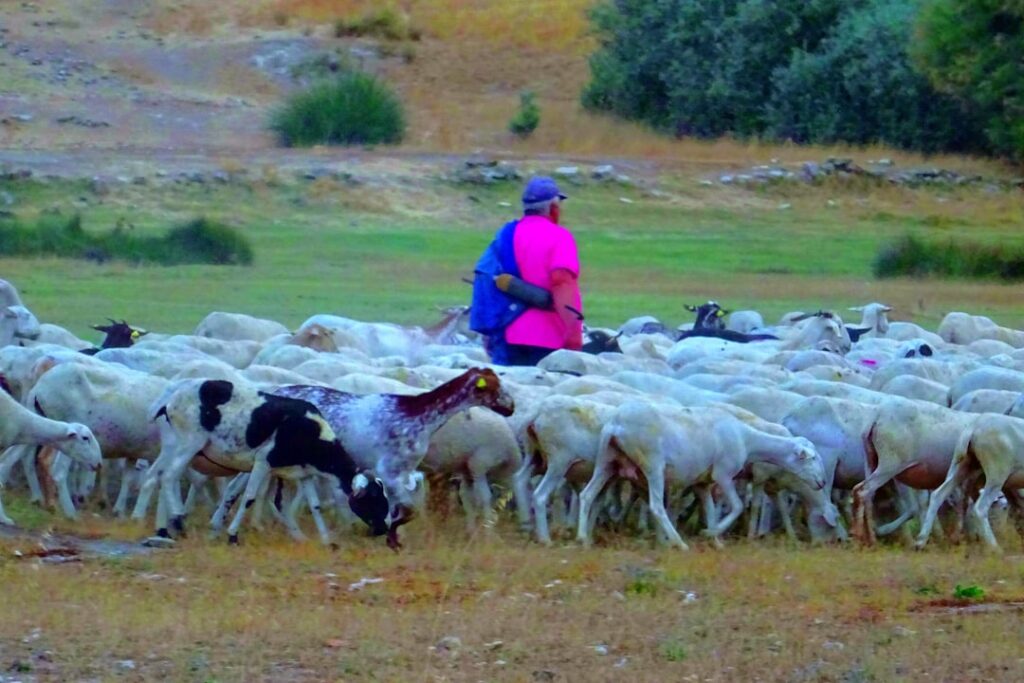
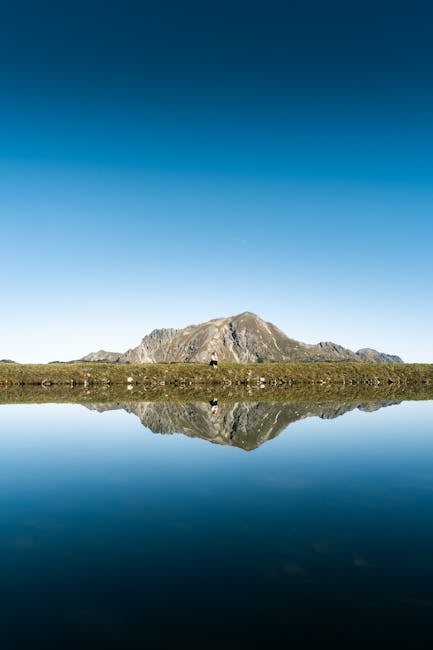
Immersive description: off-season the lake turns into a mirror, reflecting ridges and low clouds. Silence is broken only by a herd’s calling or a raptor’s cry. Practically, phone signal can be limited; bring paper maps and basic equipment. Local tip: try farmhouse cheeses sold at the farm — €6–12 a portion — and ask the farmer which trails are best for the season.
Conclusion — Prepare your off-season trip and respect the soul of the villages
Visiting Corsica’s hidden inland villages off-season is a rich, nuanced experience: you’ll enjoy preserved authenticity, shifting landscapes and a gentler pace. This guide highlighted essential stops — Corte, Pigna and the hilltop Balagne, Evisa and the Scala di Santa Regina, Zonza and Bavella, Calacuccia and the Niolo — with exact addresses, price indications and typical hours to help plan your days.
Quick practical reminders: always check opening times and call before you travel (tourist offices and museums often reduce hours off-season); pack warm, waterproof clothing even in spring; take a basic first-aid kit, paper maps and portable chargers; favor local restaurants and accommodations to support mountain economies. Respect village tranquility: if you photograph, avoid intrusive shots in people’s homes; close gates behind you and stick to marked trails to protect flora and fauna.
Finally, remember that inland Corsica reveals itself slowly. Take time to listen, talk to locals and accept that some services will be closed — it often leads to more genuine encounters with those who remain. Off-season you’ll witness vistas and skies few get to see: morning mists, low-angle light and villages just emerging from winter. Safe travels, and let the Corsican mountains guide you at their own pace.