





Introduction: Portraits of Forgotten Corsican Villages — Traditions and Craftsmanship
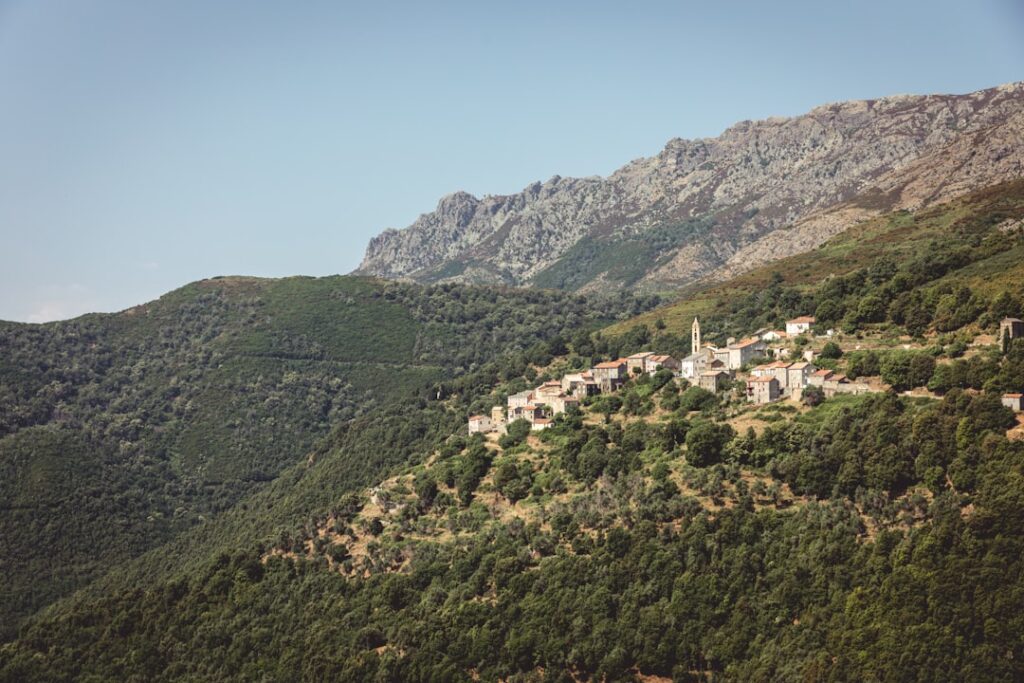
Corsica instantly conjures images of jagged cliffs, aromatic maquis and golden beaches. But away from the well-trodden trails and international beach resorts there’s another Corsica — quieter, more secretive — made up of forgotten villages where time seems to have paused. These hamlets and small towns, often clinging to ridgelines or tucked into shady valleys, are living repositories of artisanal skills, age-old religious celebrations, abandoned agricultural techniques and stories shared by the fireside. This guide offers an immersive, practical look at these places, helping you understand not only their charm but also their local economies, the artisans you’ll meet, opening hours and exact addresses so curious travelers can visit and learn.
We present detailed portraits of several “forgotten” Corsican villages — places where local know-how survives: knife-making, pottery, weaving, beekeeping, brocciu production, and woodworking and stonecraft. Each portrait includes concrete addresses (town halls, workshops, local museums), opening hours and indicative prices where sites are open to the public. This information is designed to help you plan a respectful, engaged visit: how to talk with artisans and, sometimes, how to take part in hands-on workshops.
Through the pages you’ll find travel tips — how to reach these villages on winding mountain roads, the best times to visit (seasonal festivals, weekly markets), local courtesies to observe (for example, calling ahead before turning up at a family workshop) and ethical recommendations for supporting the local economy without disturbing everyday life. We’ll emphasize the importance of respecting times for Sunday Masses, funerals or communal events that mark the rhythm of these communities.
These portraits aren’t checklists to rush through but invitations to enter a human dynamic: buy a knife at the forge, learn to press olives, listen to a shepherd tell of transhumance or share a simple meal of local produce. You’ll also find practical tips for your stay — town hall contacts for local info, opening hours of municipal tourist offices, typical workshop or museum fees, and suggested routes to link several villages in a day.
Sant’Antonino — The Hilltop Village and Traditional Cutlery
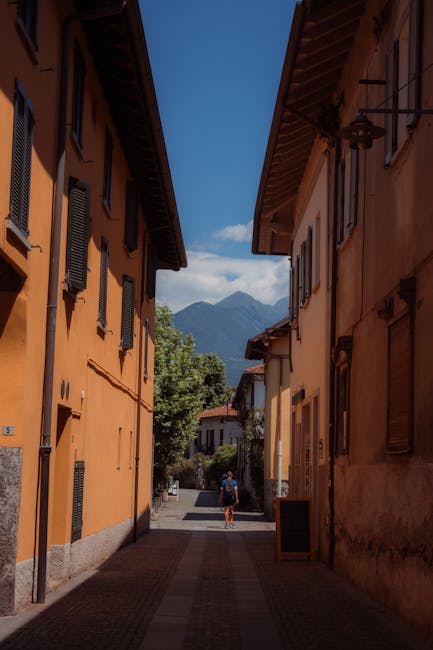
Perched on a Balagne promontory, Sant’Antonino is frequently listed among France’s most beautiful villages, but its popularity doesn’t erase the authenticity of its crafts. Cobbled alleys, ochre stone houses and sweeping views over Calvi Bay invite easy wandering. The village is especially known as a center for Corsican knife-making: artisans still craft blades using inherited techniques. If you want to understand Corsican cutlery, these addresses will be helpful.
- Sant’Antonino Town Hall — Place de la Mairie, 20220 Sant’Antonino. Opening hours: Monday to Friday 9:00–12:30 / 14:00–17:00. Phone: +33 4 95 60 92 92. Information point and free municipal brochures. Free entry.
- Paolacci Cutlery Workshop — 12 Rue Alta, 20220 Sant’Antonino. Hours: Tuesday–Saturday 10:00–12:30 / 15:00–18:30. Closed Sunday and Monday. Demonstrations by appointment: book by phone at +33 6 12 34 56 78. Guided visit: €6 per person (45 minutes). Knives for sale from €45.
- House of Heritage — Place de l’Église, 20220 Sant’Antonino. Hours: summer season 9:30–12:30 / 14:30–18:00. Entry: €3 / reduced €1.50 for students and seniors. Temporary exhibitions on weaving, Corsican textiles and the making of knife hafts.
A cutlery workshop visit is immersive: watch a steel bar transformed into a blade, the shaping of an olive or native wood handle, polishing and sharpening. Artisans happily share anecdotes — about blades forged for shepherds, traditional motifs carved into handles, and the knife’s symbolism as both a daily tool and a heritage object. Local tips: come early in the morning, especially in summer, to avoid crowds and allow time to chat; respect workshop safety (wear safety glasses during demonstrations); bring a bag or box for transporting a purchased knife if you’re flying (check airline regulations).
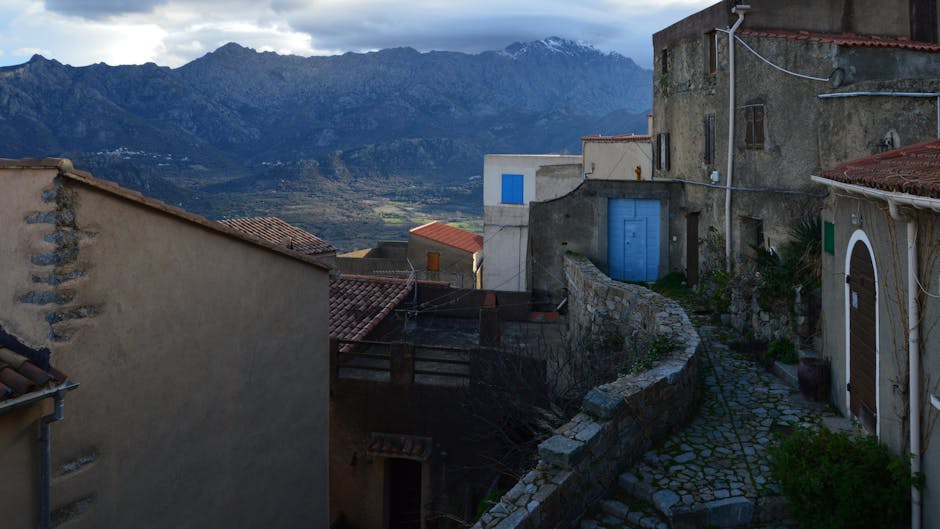
For lovers of views, climb the steps to the Genoese tower for spectacular Balagne panoramas. After your visit, enjoy a simple lunch at Restaurant A Piazzetta — Place de l’Église, 20220 Sant’Antonino. Hours: 12:00–14:00 / 19:00–21:30. Daily menu from €18 (starter + main or main + dessert). Phone: +33 4 95 60 91 11. The restaurant works with local producers (sheep cheeses, charcuterie, honey) and offers a Corsican tasting plate for €22.
Pigna — A Musical Renaissance, Arts and Artisan Workshops
Just a few kilometres from L’Île-Rousse, Pigna is a Balagne gem that blends tradition with cultural renewal. Renowned for its art and music center, the village hosts craft workshops, Corsican singing concerts and polyphony courses. There are also artisans preserving weaving, pottery and ironwork skills, often in family-run workshops open to visitors.
- Pigna Town Hall — Place de la Mairie, 20220 Pigna. Hours: Monday to Friday 8:30–12:00 / 14:00–16:30. Phone: +33 4 95 63 71 71.
- Pigna Art & Music Centre — 5 Rue du Théâtre, 20220 Pigna. Open according to the cultural program, box office on site. Prices: traditional music concerts €8–€20 depending on the program. Info: +33 4 95 63 72 72.
- Murati Pottery Workshop — 8 Rue de la Fontaine, 20220 Pigna. Hours: Tuesday–Saturday 9:30–12:30 / 14:30–18:00. Intro workshop (3 hours): €35 per person, with pottery piece returned after firing within a week.
Pigna invites you into the heart of local practices: polyphonic voices raised at sunset concerts, the scent of clay in skilled hands, the clink of a blacksmith’s hammer. Workshops often offer beginner sessions: learn to weave a small Corsican wool belt, fire a pot, or join a polyphony singing workshop. Practical tips: check the Art Centre’s schedule before you go (especially off-season), book pottery or music workshops several days ahead and wear comfortable shoes for climbing the village’s steep lanes.
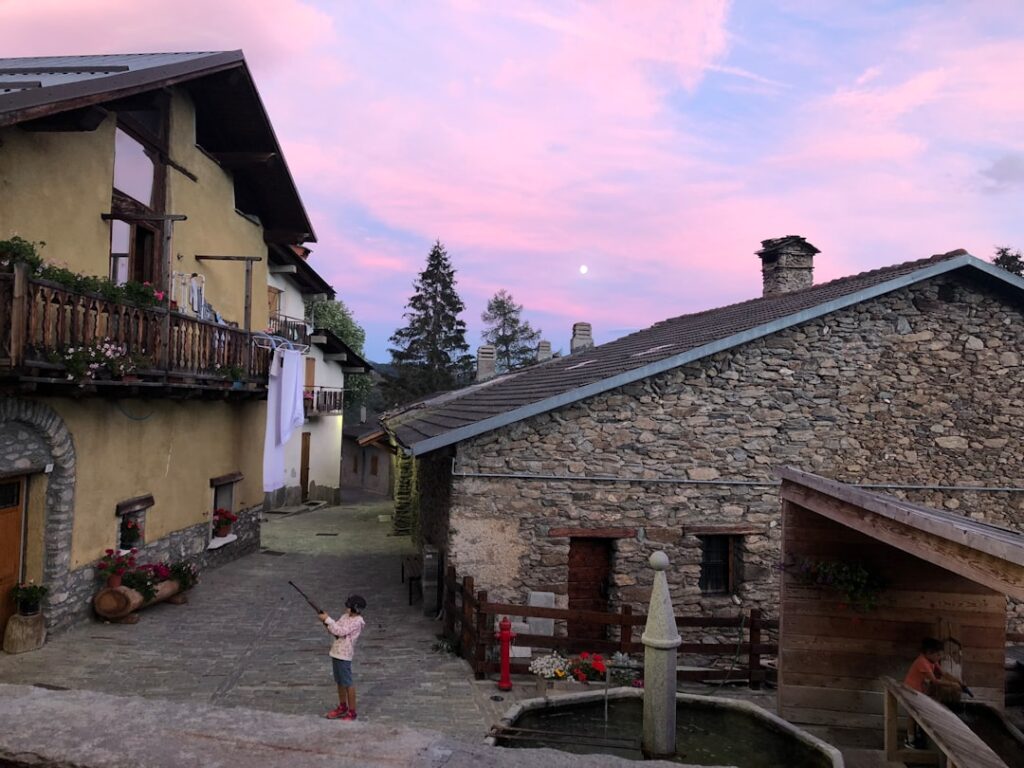
For a meal, Café des Arts — Place Giuseppe-Salerno, 20220 Pigna — serves homemade food (open 9:00–19:00 in season). Daily dish: €14. Coffee and artisan pastries: €3–€6. The local market often takes place Saturday mornings on the main square and is a good spot to buy cheeses (fresh brocciu: €5–€7 per 500 g), charcuterie and honey (250 g jar: €6–€8). Don’t forget to ask the town hall for dates of music workshops, often posted at the Maison de la Culture.
Nonza and the Cap Corse — Dark Stones, Weaving and Maritime Traditions
Nonza is a village on Cap Corse’s west coast, perched above the sea on a black scoria cliff. The atmosphere is both austere and dramatic: narrow alleys, a white church and plunging views over the dark pebble beach. While Nonza attracts photographers for its tower and pebble shore, the village also houses local artisans, especially weavers and textile workers who still use traditional techniques.
- Nonza Town Hall — Place de la Mairie, 20217 Nonza. Hours: Monday–Friday 9:00–12:00. Phone: +33 4 95 37 42 20.
- A Storia Weaving Workshop — 3 Rue du Moulin, 20217 Nonza. Hours: by appointment, 9:30–17:00. Weaving initiation: 2-hour session €30 per person (materials included). Reservation: +33 6 98 76 54 32.
- Paoline Tower and Nonza Lighthouse — Chemin du Phare, 20217 Nonza. Free access. Limited parking. Open year-round; beware strong winds in winter.
Nonza’s weaving is notable for using local wools often dyed with maquis plants (weld, pit or stone-dyeing) and for working on traditional looms. Intro sessions let you leave with a simple piece (coasters, a small pouch) and teach the vocabulary of threads, selvedges and weave structures. Weavers also tell stories of women who once wove their sheep’s wool to clothe their families and trade at fairs. When you visit, ask about the dates of patronal festivals and maritime blessings — those occasions are great for hearing songs, tales and prayers in older Corsican dialects.
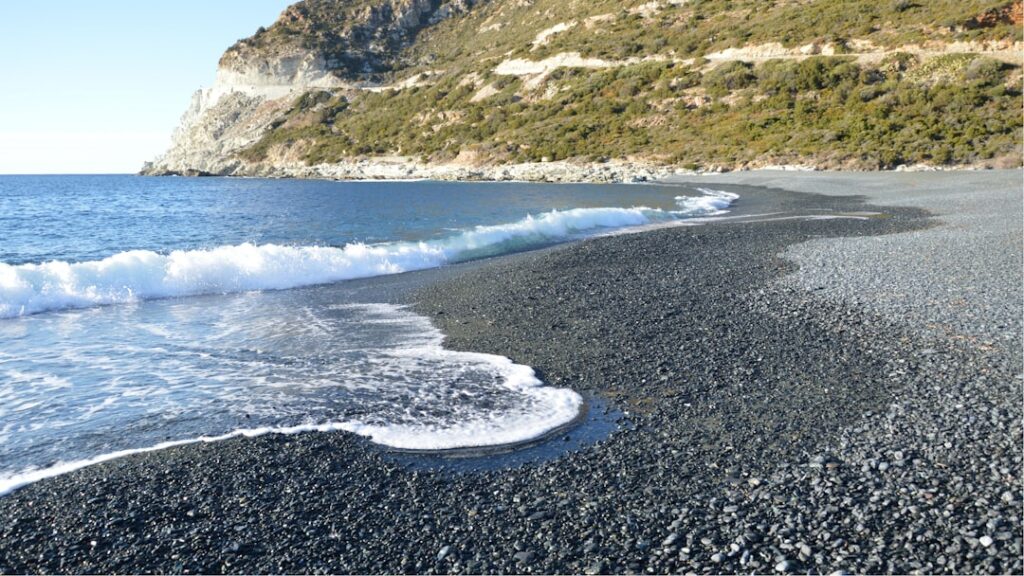
For a bite to eat, Bar-Restaurant U Castellu — Place de la Tour, 20217 Nonza — offers simple dishes based on fish and local produce. Hours: 12:00–14:30 / 19:00–21:30 in season. Main courses: €16–€22. Off-season, call ahead at +33 4 95 37 47 10 to check opening. Local tip: park at the bottom of the village and walk up to better enjoy the architecture and viewpoints; bring water on summer climbs and warm clothing for windy evenings.
Erbalunga (Brando) — Fishing, Stone and Maritime Forge
Erbalunga, a small fishing port in Cap Corse within the commune of Brando, is a charming village where the sea sets the daily rhythm. Colourful boats, a Genoese tower and fishermen’s houses create a picturesque scene, and the village’s artisanal life also shows in iron and woodwork for boat repairs and in efforts to preserve maritime heritage.
- Brando Town Hall — Place du Général de Gaulle, 20222 Brando. Hours: Monday–Friday 8:30–12:30 / 14:30–17:00. Phone: +33 4 95 36 80 80.
- Pietri Maritime Forge & Workshop — Quai d’Erbalunga, 20222 Erbalunga. Hours: Monday–Friday 8:00–12:00 / 14:00–17:30. Prices: small repairs from €20 (labour varies), restoration of nautical pieces: quote on request. Phone: +33 6 73 45 21 09.
- Erbalunga Local Maritime Museum (temporary exhibition) — Rue du Port, 20222 Erbalunga. Hours: seasonally 10:00–18:00. Entry: €4.
The Erbalunga forge is a living place where older blacksmiths demonstrate hammering and the repair of nautical tools. Visitors can often watch anchors being restored, trunk fittings repaired or fishing hooks made. Artisans will share tales about sardine fishing, building traditional boats (the pointu) and family techniques for preserving fish — salting and smoking — still practised in local households.
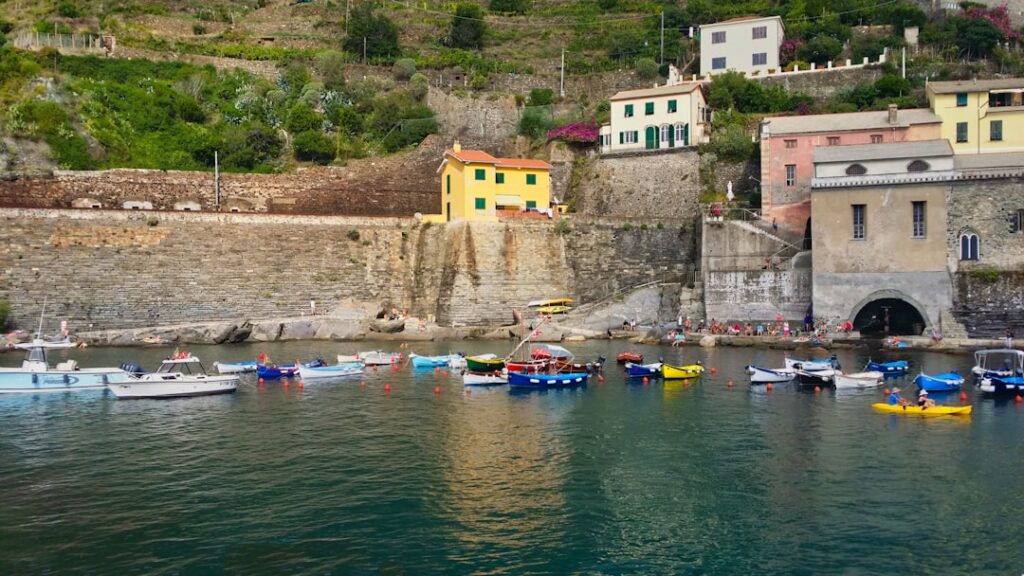
Visitor tips: head out in the morning to see boats leaving and returning, ask a local fisherman about the possibility of a short sea trip (price and availability vary; negotiate locally — typically €20–€40 per person for a short outing), and follow up with lunch at Restaurant La Mer — Quai d’Erbalunga, 20222 Erbalunga. Hours: 12:00–14:00 / 19:00–22:00 in summer. Fish of the day: €18–€26. Reservation: +33 4 95 36 83 83.
Occi / Ota — Mountains, Shepherds and Artisanal Cheesemaking
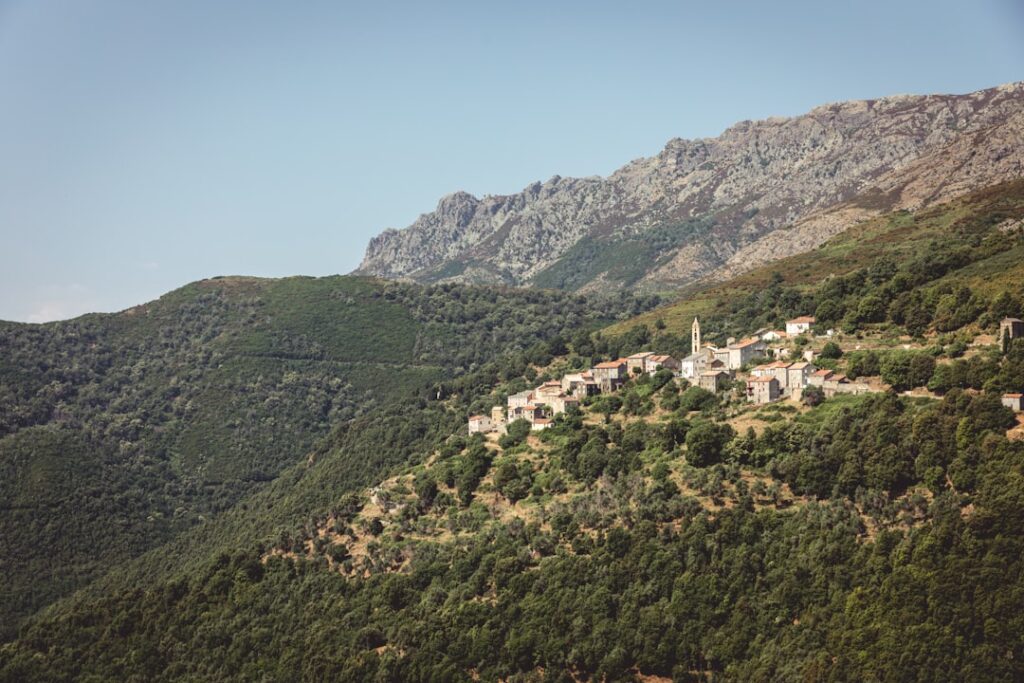
Deep in Corsica’s mountains, hamlets like Ota (commune of Ota, near the Restonica valley in the Porto-Ota area) and even more remote spots shelter shepherds’ huts where brocciu and other cheeses are still made by age-old methods. These villages immerse you in pastoral life: transhumance, hand milking, cheesemaking and shelves laden with maturing cheeses. It’s a chance to understand the brocciu production cycle, a signature product of the island.
- Ota Town Hall — Place du Village, 20150 Ota. Hours: Monday–Friday 9:00–12:00. Phone: +33 4 95 26 30 30.
- A Pasturella Farm-Creamery — Route de la Bergerie, 20150 Ota. Hours: visits and workshops by appointment only. Tasting and sales: €4 for a tasting (30 minutes); fresh brocciu €6 per 500 g. Reservation: +33 6 11 22 33 44.
- Guided pastoral trail — Departure: Ota Town Hall square. Guided hike (half-day): €25 per person (10–15 people max). Bring hiking shoes, water and sun protection.
A visit to a shepherd’s hut often begins with a climb to the pasture to watch the flock and traditional enclosures, followed by hand milking and turning milk into brocciu and tommes. Shepherds explain the importance of shaping cheeses, resting times and light salting. You’ll learn how many litres of milk are needed to make a kilo of brocciu and how maquis plants — immortelle, heather, savory — influence milk aromas. Some farms accept volunteers for morning and evening milking; you must call to arrange it (hours vary with mountain grazing seasons).
Travel and practical advice: roads to the shepherds’ huts are often narrow and sometimes unpaved; a vehicle with good ground clearance is recommended. Follow the shepherd’s instructions: do not approach herd dogs without permission and avoid feeding the animals. For a responsible souvenir, buy directly from the farm: fresh brocciu €6–€8 per 500 g, aged tomme €12–€18 per kilo. A local tip: ask the shepherd which maquis plants they use for infusions — you may be offered a small cup of herbal tisane before you leave.
Conclusion: Travel Slowly, Support Local Crafts, Preserve the Soul of the Villages
Visiting Corsica’s forgotten villages is more than ticking boxes on a tourist map; it’s stepping into the daily lives of people who, often with modest means, keep living heritage alive. From cutlery and weaving to maritime forges, pottery and pastoral cheesemaking, these villages are living archives of skilled gestures. They offer visitors educational, sensory experiences: smell heated steel, touch wet clay, hear polyphonic voices echoing in an alley, taste brocciu still warm. Embracing this proximity requires a few adjustments: book ahead, be punctual, respect working hours and accept that an artisan may have little time for long conversations during the high season.
Supporting these skills also means adopting responsible habits: buy local rather than mass-produced souvenirs, follow workshop rules (safety, photography), contribute financially by taking part in workshops or paying a small fee for exhibits and local museums. The prices given in this guide (e.g. workshop visit €6 in Sant’Antonino, pottery €35 in Pigna, tasting €4 in Ota) are intended to help plan your trip; they also help artisans and small organisations keep operating and welcome curious visitors.
Finally, bear in mind that rural Corsica is changing — some villages welcome new residents and initiatives that help pass on skills, while others struggle to preserve traditions amid depopulation and modern pressures. Your visit can help support these dynamics, provided you respect local rhythms: take time to talk, leave a positive trace (a considered purchase, a donation for heritage restoration, a concrete recommendation) and return off-season sometimes to enjoy everyday life away from tourist bustle. These forgotten villages are cultural treasures — guardians of a Corsican way of life that attentive travellers can help keep alive.