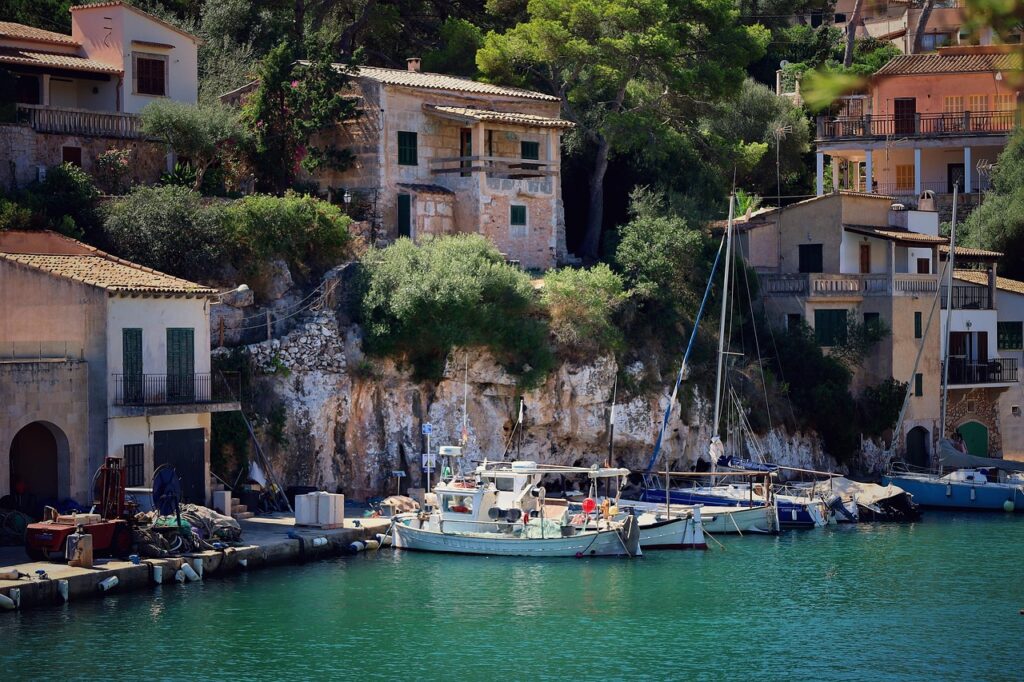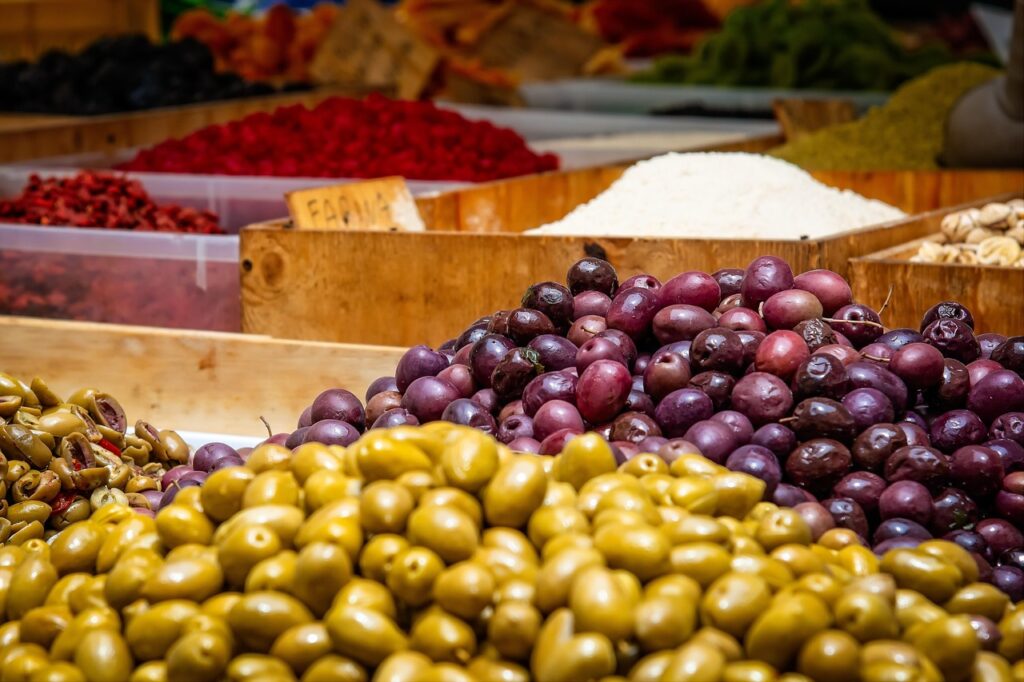






Introduction — Corsican markets: living traditions and tourist stalls to avoid
Corsica is an island where culinary and craft traditions are still passed down in squares and narrow streets. Corsican markets aren’t just places to buy things: they’re stages for daily life, filled with the scent of fresh brocciu, the aroma of prisuttu, vendors’ laughter and the clink of coin tins. But alongside that irresistible authenticity, there’s a flip side: stalls aimed almost exclusively at tourists, selling standardized products that are often overpriced and sometimes poor quality. This guide will teach you how to spot genuine traditional markets — where you haggle a little, taste as you go and meet the producers — and how to avoid the flashy stalls that don’t give you the true heart of Corsica.
In the sections that follow I give a practical, immersive overview: I describe emblematic markets (with addresses and opening hours), provide price ranges in euros for typical Corsican products, explain the signs that mark a tourist stall, and offer concrete tips to buy authentically without getting ripped off. You’ll learn, for example, how to tell a handcrafted brocciu sold for €8–12/kg from an industrial substitute, or how to recognize real prisuttu (Corsican dry-cured ham), which is often offered at €25–45/kg at local markets.
I also cover practical details: exact market locations, typical hours (most local markets run early in the morning, between 07:00 and 13:00), sample prices and the behaviors to adopt. You’ll find recommended stalls and vendors to favor — for example cheesemongers in Corte, beekeepers in Sartène, or fishmongers in Ajaccio — along with stalls to avoid that use “two-tier pricing” or import large quantities of out-of-season goods.
Finally, because a market is as much for the eyes as for the nose, I’ve included visual cues 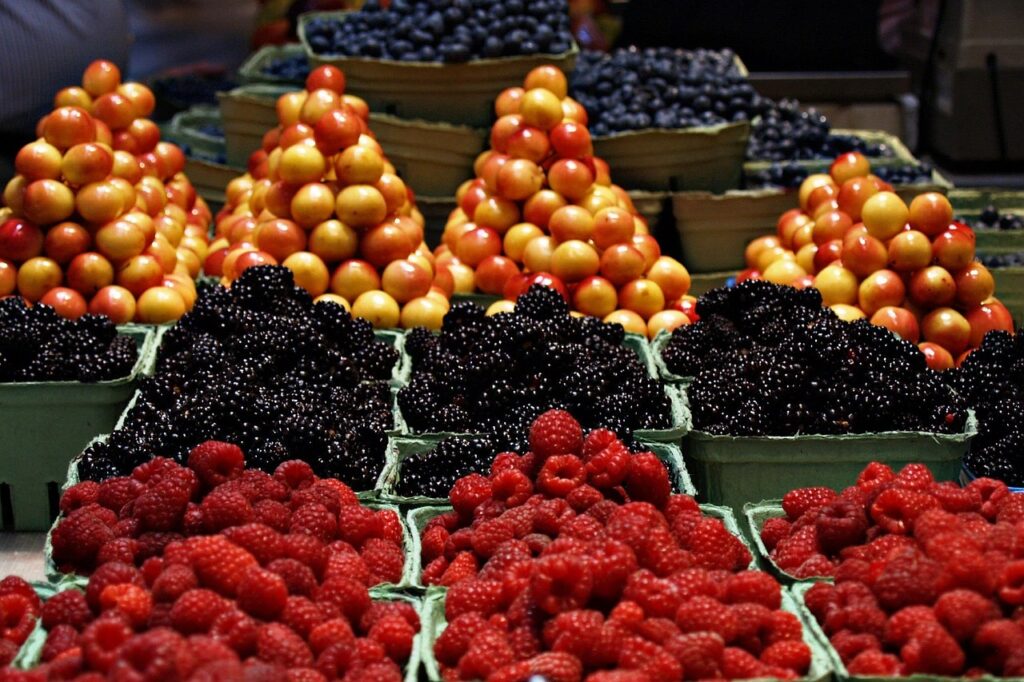 to help you picture the atmosphere. This guide is aimed at both the curious traveler and the picky foodie: the goal is that when you return home you bring back not just products, but skills and stories.
Why Corsican markets are unique (history, terroir and seasonality)
Corsican markets were born from a landscape of sharp contrasts and an economy long focused on self-sufficiency. That history still shapes the stalls today: many products come from family farms within 30 km of the market, and seasonality dictates what’s on offer. You’ll find chestnuts and chestnut flour (farina) in autumn, fresh brocciu in spring and winter, maquis honeys in spring–summer, and lowland vegetables (tomatoes, courgettes) in summer.
The variety of Corsican terroirs — mountains, coastal plains, maquis — shows up in the products:
- Cheeses: fresh brocciu (a lactate sheep/goat cheese) sold at €8–12/kg depending on freshness; Corsican tomme €15–30/kg depending on aging.
- Charcuterie: prisuttu (Corsican dry ham), coppa, lonzu; indicative prices €25–45/kg for prisuttu sliced on site.
- Honeys and jams: maquis honey (chestnut, cistus, etc.) €6–12/250 g depending on rarity and origin.
Traditional markets are also places to exchange know-how: some producers demonstrate olive oil pressing or offer cheese and wine tastings. These genuine activities are often a sure sign the stall is run by the producer themselves, not by a tourist reseller.
Signs of a traditional market:
- Stalls run by producers (animal registration cards, labels mentioning the farm).
- Presence of raw, uncalibrated products: irregular vegetables, cheeses without industrial packaging, fish fillets on ice with local trappings.
- The ability to taste before you buy (cheese samples, teaspoons of honey). Warning: refusing to let you taste is usually a sign of a tourist stall.
Local tip: arrive early (between 07:30 and 09:30) — it’s the best time to talk with producers and get fairer prices. Prices often drop later in the market (after 12:00) when producers prefer to sell rather than bring unsold items home.
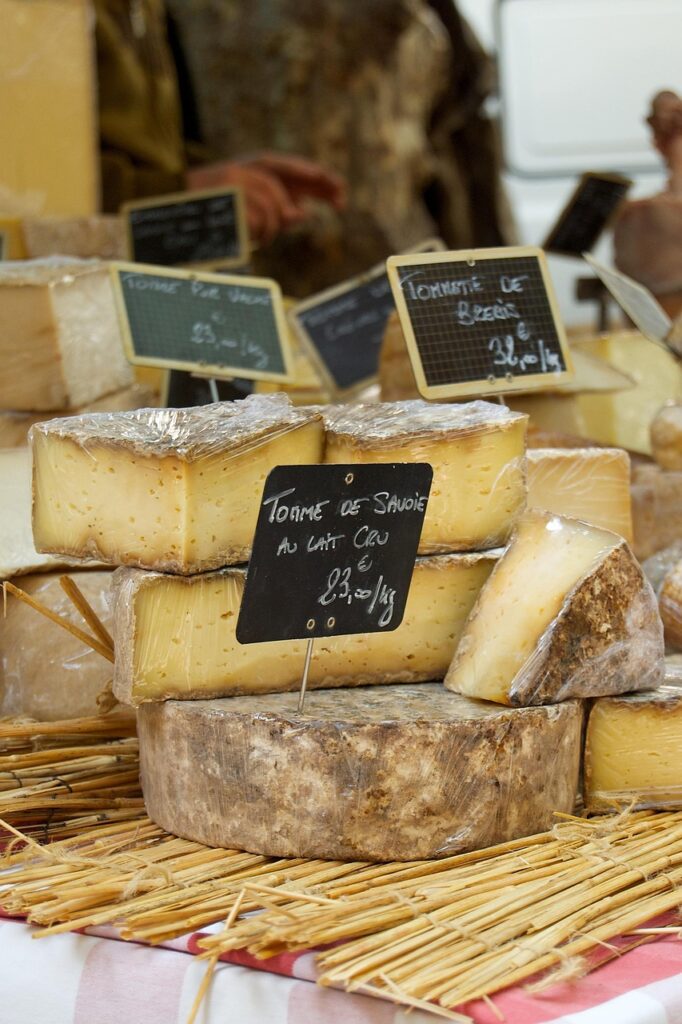
Traditional markets to favor — addresses, hours and stalls to look for
Here’s a selection of Corsican markets where authenticity still runs strong. For each market I list the address, typical hours, indicative prices and stalls I recommend.
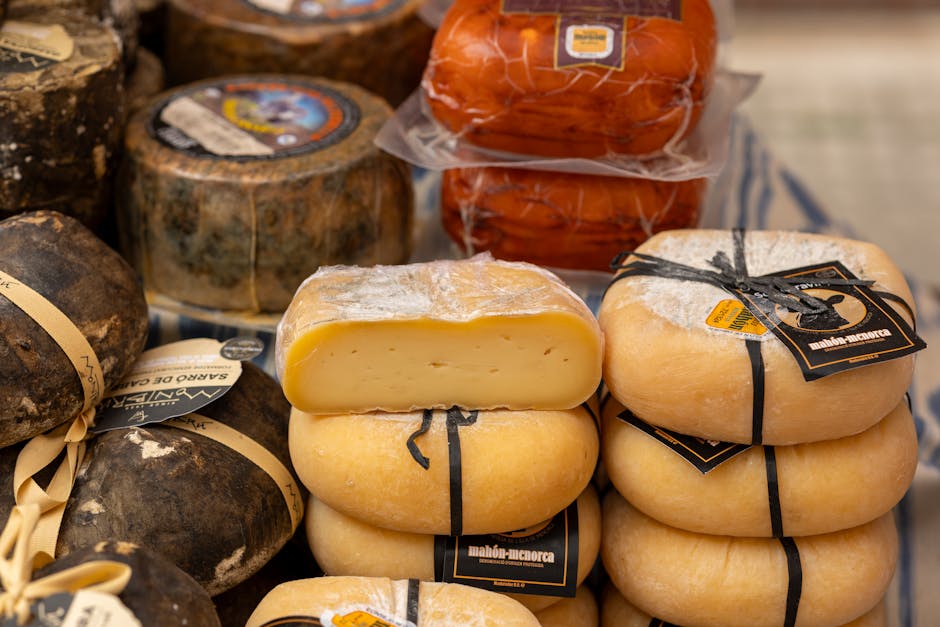
Corte Market — Place Paoli, 20250 Corte
Address: Place Paoli, 20250 Corte. Hours: food market on Tuesdays and Saturdays, 07:00–13:00. Vibe: mountain market, heavy focus on cheeses (brocciu, tomme), honey and charcuterie.
Price indicators: fresh brocciu €9–12/kg, sheep tomme €18–28/kg, chestnut honey €7–10/250 g. Look for: the cheesemonger Jean-Marc (often labeled “Ferme de la Restonica” or similar), and local beekeepers who display origin (upper valley, sheepfolds). Always ask the brocciu production date (it must be fresh).
Tips: taste before buying; buy 200–300 g portions to try (priced €2–4 per portion). If you plan to bring products home, ask the producer how to pack the cheese for travel.
Ajaccio Market (Marché Fesch) — Place Fesch, 20000 Ajaccio
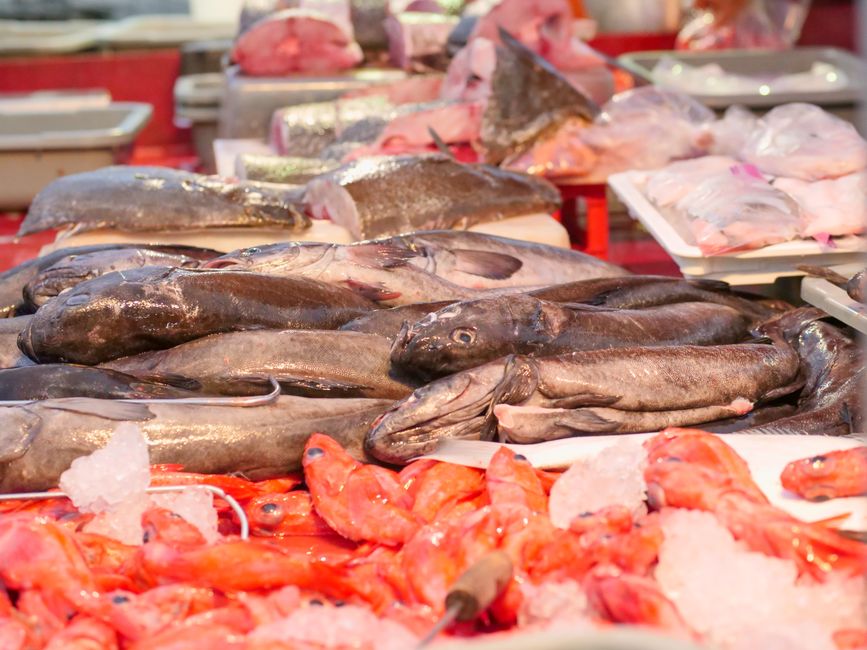
Address: Place Fesch, 20000 Ajaccio (Marché Fesch, covered). Hours: daily 08:00–13:00 for food stalls; some merchants open afternoons depending on the season. Vibe: fresh fish in the morning (depending on landings), local vegetables, Corsican spices, charcuterie.
Price indicators: fish depending on catch (sea bream €12–18/kg, small red mullet €10–14/kg), charcuterie platters €6–12 per portion (sliced to eat on site). Look for: the fishmonger “Chez Antoine” (check provenance signs), and the dried Corsican herbs stall (thyme, rosemary, immortelle) €2–5 per bunch.
Local tip: if you want fish, arrive before 09:00; after 11:00 the best specimens are gone. Don’t hesitate to ask the fishmonger how they recommend preparing it (grilled, baked with maquis herbs).
Sartène Market — Place Porta, 20100 Sartène
Address: Place Porta, 20100 Sartène. Hours: weekly market on Sunday, 08:00–13:00; seasonal markets in summer also on Wednesdays. Vibe: very traditional, many artisans, Corsican charcuterie and chestnut-based products.
Price indicators: chestnut flour €3–6/kg, figatellu €12–20/kg, honey €6–10/250 g. Look for: local mills selling chestnut flour, and producers who label “produced on the farm.” Soap makers sell olive oil soaps €3–6 each.
Tip: bring a canvas bag and ask vendors to note the origin on labels if you’re buying gifts.
Tourist stalls to avoid — signs, examples and inflated prices
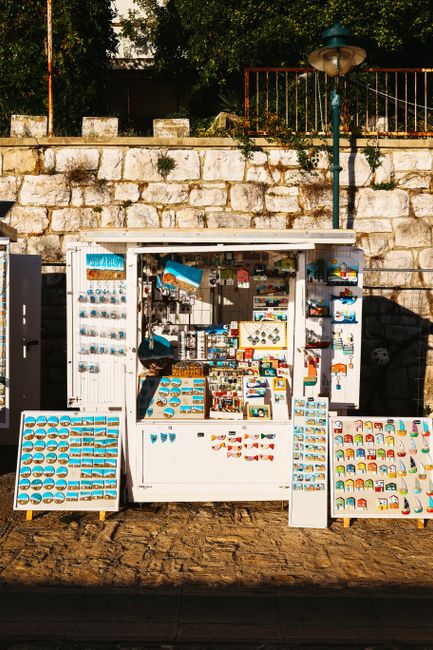
Tourist stalls aren’t necessarily scams, but they have recurring characteristics: packaged products, vague labels (“product of the Mediterranean”), non-transparent pricing, no tastings and vendors with no obvious link to the producer. Here’s how to spot them, plus concrete examples from Corsica.
Signs of a tourist stall:
- Identical products sold at multiple markets across the island (a sign of an itinerant reseller).
- Labels in English/aimed mainly at visitors, with no farm name or production date.
- Very rounded, high prices: for example, 250 g jars of honey priced at €20 while the local range is €6–12.
- Mixed souvenirs (hologram seals, magnets, t-shirts) among food items — an indicator of a non-specialized stall.
Places that deserve caution:
- Calvi Old Port — Quai Landry, 20260 Calvi: many souvenir stalls near the harbor, prices sometimes 2–3 times higher than interior markets. Hours: mainly afternoons and evenings, 10:00–20:00.
- Bonifacio Marine Market — Place du Marché, 20169 Bonifacio: very touristy in summer; beware stalls selling charcuterie “made in Corsica” without clear provenance; prices €30–50/kg for products that may be imported.
- Porto-Vecchio center (Place de la République) in high season: some vendors offer “discovery” baskets (€25–40) with variable-quality goods.
Concrete tip: if a seller refuses to be clear about a product’s origin, step back. Ask “Where is your farm?” or “When did you make this brocciu?” — the answer should be specific. Haggling is possible at traditional markets; at tourist stalls the response is often “fixed price.”
How to buy authentic — techniques, price references and ethical practices
Buying at a Corsican market takes a bit of ear and observation. Here are steps and techniques to leave with real Corsican products at fair value, while respecting the producers.
1) Spot the producer: look at labels (farm name, approval number, production date). A producer will often have a business card and photos of their farm. Price benchmarks to remember:
- Fresh brocciu: €8–12/kg
- Corsican tomme: €15–30/kg
- Prisuttu (by slice or weight): €25–45/kg
- Honey 250 g: €6–12
- Chestnut flour 1 kg: €3–6
2) Taste systematically: producers often offer a small slice of cheese or a spoonful of honey. If they refuse, treat that as a warning sign.
3) Ask the right questions: “What breed are the sheep?”, “Where is the farm located?”, “Production date?”, “Do you have a website?” A precise, friendly answer usually speaks to sincerity.
4) Packing for travel: ask for vacuum packing for charcuterie or newspaper and plastic wrap for cheese if you’re flying; some producers provide a packing service (cost €1–3).
5) Respect seasonality and volumes: don’t buy 5 kg of fresh products without asking how to store them; ask about shelf life. Producers will appreciate your concern and often share recipes or tips.
6) Pay appropriately: in Corsica more producers accept cards, but carry cash for small purchases. Tips aren’t expected, but adding a few euros for service (tasting, packing) is appreciated.
Ethical tip: favor small producers over resellers; you may pay 10–30% more, but you support a craft and get traceability.
Typical one-day market itinerary in Corsica (practical example)
Here’s a sample itinerary to experience a Corsican market day, combining visits, tastings and responsible shopping. This example starts from Ajaccio and includes a stop in Corte or Sartène depending on your route.
Morning (07:30–10:00) — Ajaccio Market, Place Fesch: start at the covered market for fish and seafood. Buy a whole fish (e.g. sea bream €12–18/kg) if you have a kitchen; otherwise choose local olives (€3–6/kg depending on variety) or a jar of honey (€6–10).
Late morning (10:30–12:30) — Drive to Corte (about 1 h 15) and visit Place Paoli market (or seasonal flea markets outside town). Buy brocciu for a simple lunch (€9–12/kg), a piece of tomme (200–400 g, €4–12) and ask the producer for a quick recipe suggestion (ficatu, brocciu omelet).
Lunch (12:30–13:30) — Eat on a square with a platter of local charcuterie (€6–12) and artisanal bread (€2–3). Enjoy the view and chat with producers: it’s a good chance to collect addresses for mills, beekeepers or soap makers to visit later.
Afternoon (14:00–17:00) — Drive to Sartène (about 1 h 30) if you’re in the south: stroll Place Porta, sample chestnut flour and buy cistus products. On the way, stop at a recommended producer and buy directly (often cheaper and fresher).
Evening — Storing your purchases: vacuum-pack charcuterie if possible, keep brocciu cool. Prepare a simple dinner with your buys: a plate of local catches and a chunk of tomme, paired with a glass of Corsican wine (Patrimonio or Ajaccio wine).
Indicative budget for the day: €25–60 per person depending on purchases and whether you have a full lunch at a café. Markets are flexible: for €10–20 you can assemble an authentic meal for one.
Conclusion — Corsican markets: go back to the roots and avoid the traps
Corsican markets are a gateway to the island’s soul: they tell the story of mountains and coast through season-shaped products and local know-how. By following this guide’s advice — spotting producers, favoring direct relationships over anonymous transactions, tasting before buying and asking about provenance — you’ll increase your chances of a genuine experience and leave with products worth their price.
Remember that authenticity often shows up in small details: a label naming the farm, a producer who can tell the story of their craft, a sample offered with pride. Conversely, stalls mixing tourist souvenirs, posting rounded prices and refusing conversation are best avoided. If you’re in Corsica during high season, take the time to explore inland markets (Corte, Sartène, Bastia) rather than sticking to the tourist quays; you’ll find better value and a friendliness that tourist stalls can never match.
Finally, consume knowingly: pack your purchases well, ask how to store them, and prioritize human connections. You’ll support often-small families and farms, and bring home not only products, but stories, recipes and the memory of an island that still celebrates its terroir. Happy market-hopping, and above all, happy discoveries!