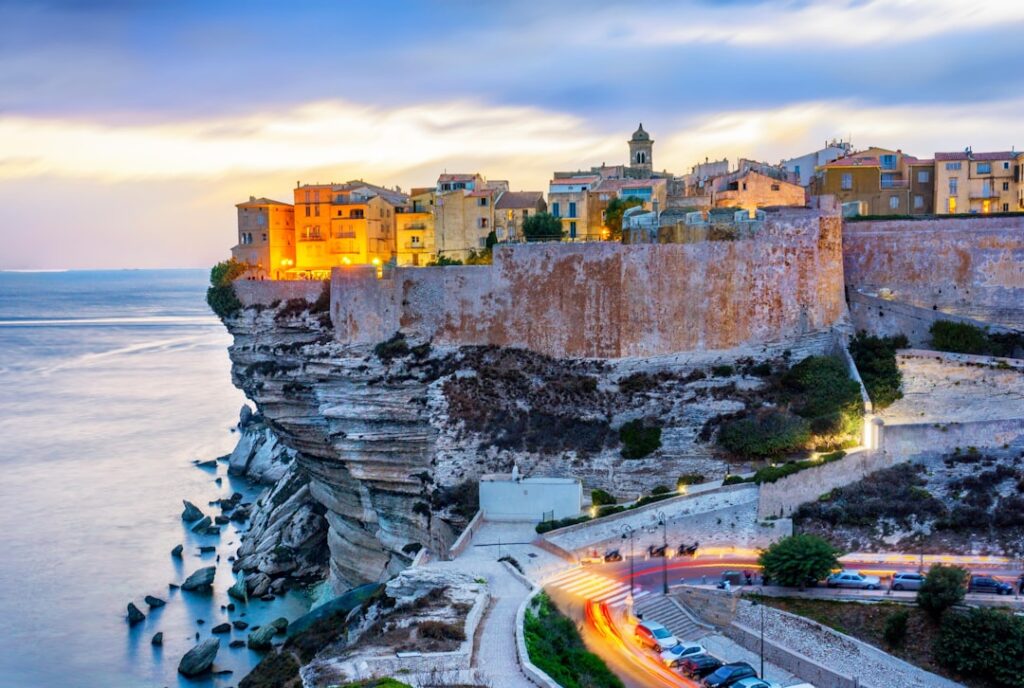






Introduction — Crossing Corsica from Bastia to Bonifacio: one road, a thousand landscapes
Driving across Corsica from Bastia down to Bonifacio is one of the Mediterranean’s most iconic routes: in just a few hundred kilometers you’ll experience an incredible range of scenery — plunging cliffs, soft sandy beaches, chestnut forests, deep gorges and perched villages. Whether you have a day for excursions or several days for a proper road trip, this guide lays out a detailed itinerary, precise addresses, useful opening times, indicative prices and local tips to help you get the most out of every stop.
Starting in Bastia, the lively port city in the northeast, you’ll follow the jagged coastline of Cap Corse, pass through vineyards and fragrant maquis, then head inland to Corte, Corsica’s historic mountain heart, before descending to the west coast where beaches and cliffs alternate all the way to Bonifacio at the island’s southern tip. How fast you go depends on your priorities: hiking, food discoveries, swimming or cultural visits. This guide takes a practical, professional tone: where to park, when to arrive to avoid crowds, expected fees (museums, boat tours) and driving tips for Corsica’s often narrow, winding roads.
Important: Corsica has no toll motorways like on the mainland; however driving here requires attention. Choose a suitable vehicle (compact but with enough power for steep climbs), bring a list of accommodations and local emergency numbers. This guide includes exact addresses: tourist offices, stations, ports and key waypoints to help you navigate. You’ll also find suggestions to plan your time (itineraries for 2–5 days), culinary tips and weather-based alternatives. Prices are in euros and were current at the time of writing; expect higher rates in peak season (July–August).
Finally, this guide includes visual cues — image markers — to inspire you and help you find photos or prepare your travel album. Markers are designed to evoke clear, recognizable scenes so you can quickly track down classic island views: harbors, cliffs, hilltop villages, white-sand beaches and viewpoints.
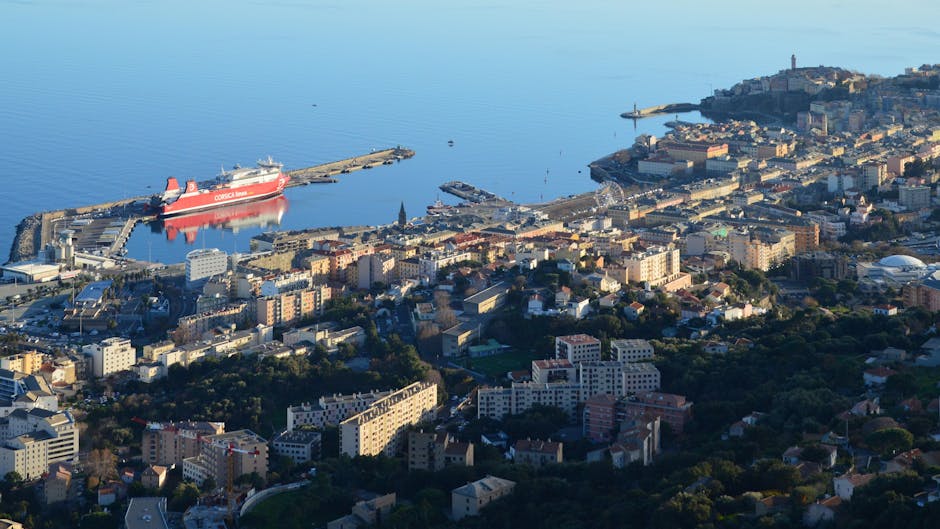
1 — Bastia and Cap Corse: first cliffs, fishing villages and port life
Begin your journey in Bastia, the beating heart of Cap Corse. Bastia is a common arrival point (ferries and flights) and offers an immediate introduction to island culture. Useful address: Bastia Tourist Office, Place Saint-Nicolas, 20200 Bastia. Opening hours: Monday to Saturday 9:00–12:30 / 14:00–18:00; Sunday 9:30–12:30. Tel.: +33 4 95 32 06 38. The citadel and the Old Port are best explored on foot; the quay promenade and Place Saint-Nicolas are perfect for a pre-departure coffee.
Practical points: station and ferry. Bastia Train Station — Place du Docteur Michel Antoniotti, 20200 Bastia. Ticket office hours often 7:00–19:00 (may vary). Commercial Port / Ferry — Bd Paoli, 20200 Bastia. For arrivals and departures allow 30–60 minutes depending on the company. Public parking along the port: Port de Plaisance parking, Bd Paoli, approximate rate €2.50 / hour (higher in summer).
Leaving Bastia, take the RD80 up through Cap Corse. Recommended stops: Erbalunga (fishing village, 20222 Erbalunga), Nonza (Genoese tower and black pebble beach) and Centuri (fishing port famous for lobster). In Erbalunga park in the main square (municipal parking is free outside high season) and stroll along the harbor. For the viewpoint at Nonza use the GPS address: Nonza, 20217 Nonza. The site is spectacular at sunset; park near the town hall — the descent to the pebble beach is steep but dramatic.
Local tips: Cap Corse’s roads can be narrow and winding; drive slowly, heed passing zones and wait at widening spots to let oncoming cars through. Bring water and snacks: bakeries and small grocery shops open early but are spaced out. For a meal in the area, focus on seafood: lobster in Centuri (price varies, roughly €35–65 depending on season) and grilled fish at small harbor restaurants (expect €18–28 per main course).
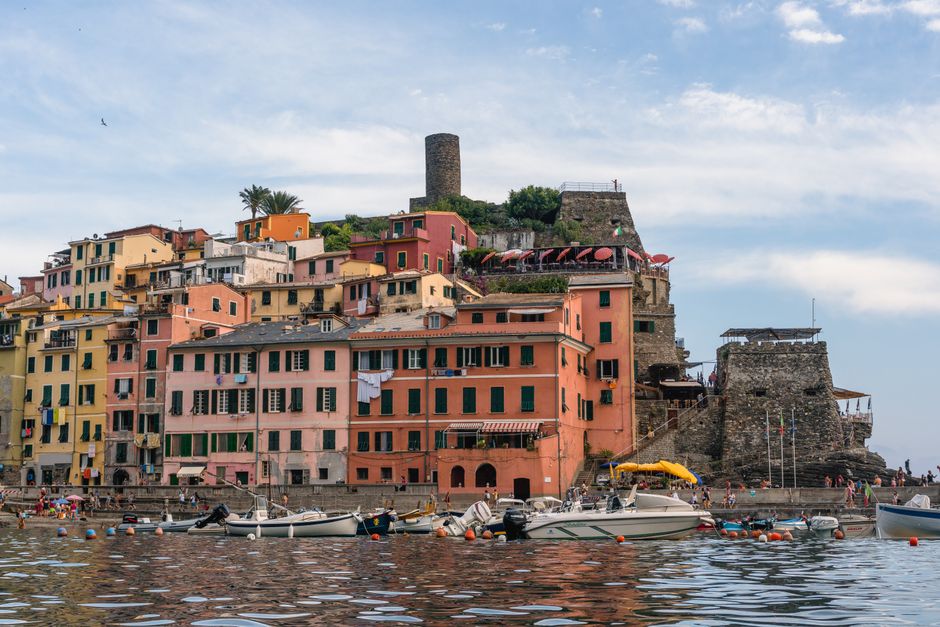
2 — Saint-Florent, Patrimonio and the Agriates Desert: vineyards, wild beaches and tastings
After finishing Cap Corse or heading west from Bastia, ease into the relaxed vibe of Saint-Florent and the Patrimonio wine region. Saint-Florent Tourist Office — Place des Portes de la Mer, 20217 Saint-Florent. Opening hours: 9:00–12:30 / 14:00–18:00 (high season 9:00–19:00). Tel.: +33 4 95 37 00 24. Saint-Florent has a lively port, cafés and boat trips to the Agriates Desert beaches (Saleccia, Lotu).
Getting to the Agriates beaches: shuttle boats depart from Saint-Florent’s port. Operators: Navette Maritime Saleccia, Quai Napoléon, 20217 Saint-Florent. Indicative prices: round-trip to Saleccia or Lotu €25–35 per adult (varies by season and operator). Hours: typically 9:30–17:30 in summer with hourly departures; book ahead in high season. These beaches are famed for white sand and turquoise water — bring shade, water and shoes for the dune and sometimes windy access.
Patrimonio is a must for wine lovers: tastings with local producers (Corsican whites and reds). Example: Cave de Patrimonio, Route de Patrimonio, 20253 Patrimonio. Tasting room hours: 9:30–12:30 / 15:00–18:00; guided tastings about €5–10 per person (depends on the package). Don’t miss the muscat du Cap and AOC Patrimonio wines.
Driving notes: the RD81 links Bastia to Saint-Florent in about 40–50 minutes depending on traffic. For parking in Saint-Florent use the municipal port parking (Quai Napoléon), often paid in summer: €3–4 / hour, day rates around €10–15. For a wilder experience consider a day trip from Saint-Florent to Saleccia and Lotu by 4×4 or boat; the 4×4 route from the Ostrica bridge requires solid driving skills and a suitable vehicle.
Foodie tips: have lunch by the port at a deli or small brasserie to sample local specialties — octopus salad, maquis-flavored vegetables and Corsican charcuterie (meal cost €15–30). Buy local honey (€8–12 for 250 g) and brocciu (fresh cheese) at markets for a beach picnic.
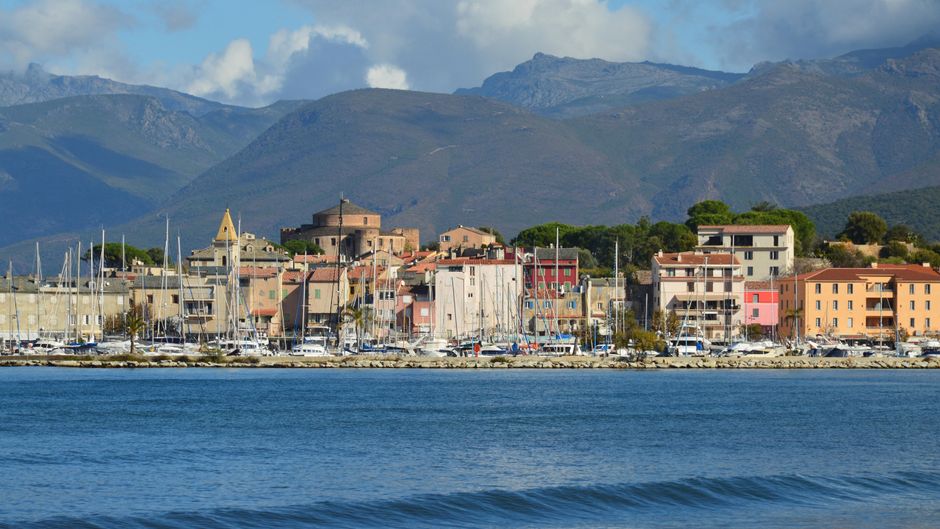
3 — The mountains and interior: Corte, Scala di Santa Regina and the gorges — history and panoramas
For a full picture of Corsica, leave the coast and head inland to Corte, the island’s historic capital. Corte Tourist Office — Place Paoli, 20250 Corte. Opening hours: 9:30–12:30 / 14:00–18:00; tel.: +33 4 95 46 50 93. Corte is reachable in roughly 1h15–2h00 from Bastia depending on the route. The citadel overlooks the town: free to explore, with great mountain views and local museums.
The natural site of Scala di Santa Regina and the gorges offers Corsican alpine-like scenery: cliffs, torrents and forests. Access from the RN193 between Corte and Ponte Leccia. Famous hike: the climb to the « Scala » (a full-day walk); difficulty ranges from moderate to hard depending on the section. Wear sturdy shoes, bring water and avoid the hottest hours in summer. Popular swimming spots are on the Tavignano and Restonica rivers (near Corte); recommended spots include the Pozzi of the Restonica (about 20 minutes by car from town center). Trailhead parking: Restonica parking (D623 towards the gorges), usually free but limited in summer.
Corte also offers cultural addresses: the Museum of Corsica (Musée di a Corsica, Citadel, Place Gaffory, 20250 Corte). Hours and fees: entry around €5–7; times vary (check with the Tourist Office). For dining, the main square has numerous small bistros. Typical dish: wild boar stew or veal with maquis herbs, €18–28 for a main course.
Driving tips: the RN193 has narrow sections and tight turns; respect signs and schedule breaks. Photographers will love the viewpoints upstream from Corte for deep ridge and valley shots — early morning golden hour is ideal for capturing relief and color. If you plan to cross via Bocognano and the Vizzavona forest, note that the D69 is scenic but requires caution; smaller mountain villages need a reliable vehicle.
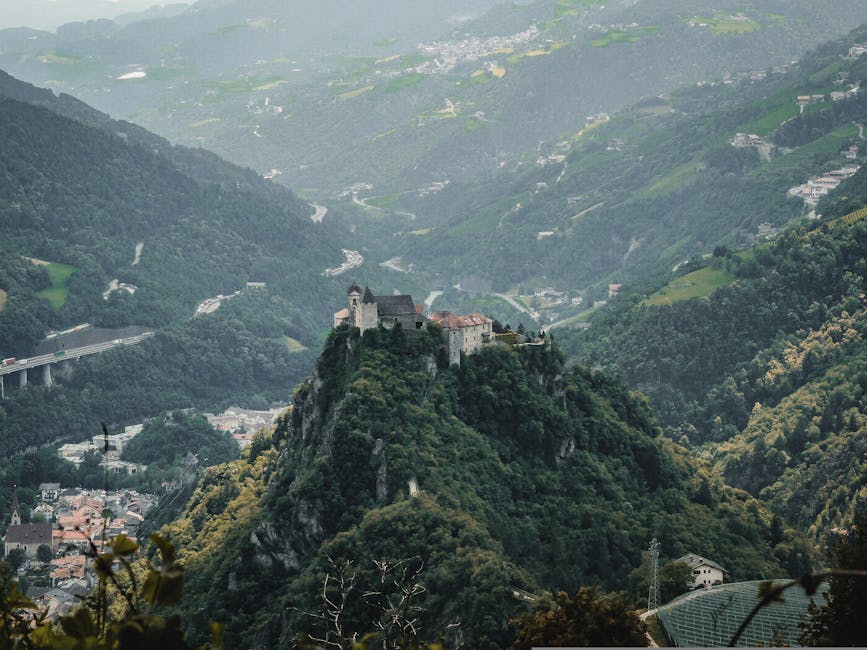
4 — Southern coast: Ajaccio, Sartène and Bonifacio — cliffs, coves and citadels
Next head west and south to reach Ajaccio, then continue to Sartène and finally Bonifacio at the southern tip. Ajaccio (the prefecture) offers museums, markets and beaches: Ajaccio Tourist Office, Place Foch, 20000 Ajaccio. Opening hours: 9:00–12:30 / 14:00–18:00. In Ajaccio visit the central market (Cours Grandval) for local products — cheeses, charcuterie and Corsican pastries. Expect about €10–20 for a tasting basket.
Continue to Sartène, often called « the most Corsican town » for its authentic character. Useful address: Sartène Tourist Office, Place de la République, 20100 Sartène. Opening hours: 9:00–12:30 / 14:00–18:00. Point of interest: the old town, its narrow streets and views over the Rizzanese plain. Nearby Valinco beaches (Propriano) offer swimming and seaside restaurants (fish mains €18–30).
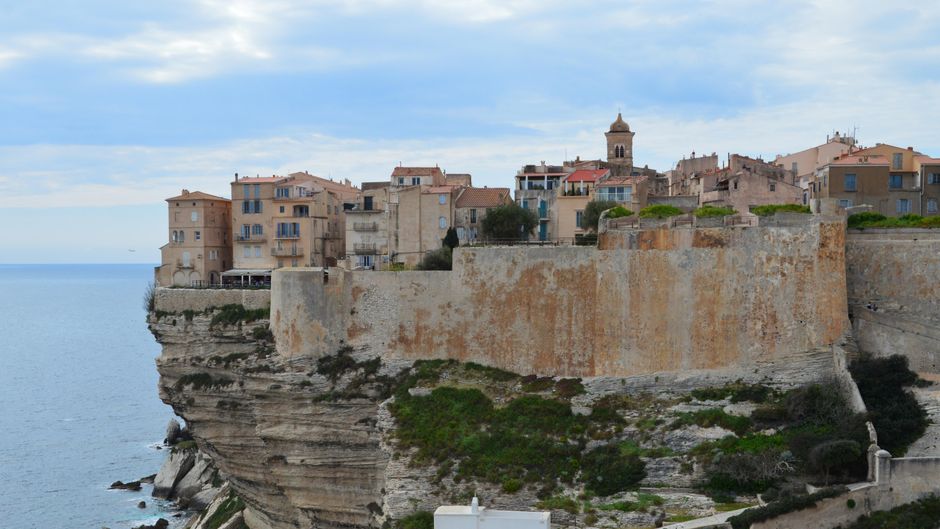
Finally reach Bonifacio, dramatic for its limestone cliffs and cliff-top citadel. Bonifacio Tourist Office — Place d’Armes, 20169 Bonifacio. Opening hours: 9:00–18:30 in high season; tel.: +33 4 95 73 04 04. Recommended parking: Port de Plaisance Parking, Quai Pascal Paoli, 20169 Bonifacio — daily rates €10–18 depending on season. Must-see: walk up to the citadel (free access), stroll the battlements and visit the old port. For a marine perspective, take a boat shuttle from the port (same dock used for trips to the Lavezzi archipelago).
Boat trip to the Lavezzi Islands: departures from Bonifacio port (Quai Claude Papi). Indicative prices: €25–45 per adult for a half-day return trip, €30–60 for a longer excursion. Timetable: multiple departures in season — typically 9:30, 11:00, 14:00, 16:00. The Lavezzi coves have turquoise water, reefs and great snorkeling spots (bring a mask and snorkel). Beware of currents and follow the captain’s safety instructions.
Staying in Bonifacio: book accommodation and tours well in advance for July–August. Dine at recommended central restaurants — evening menus typically €30–50 per person at a quality establishment. For a memorable experience, watch the sunset from the Pointe de la Parata or on a boat around the cliffs — the light brings out the layers of limestone and the sea caves.
Conclusion — Practical tips, budget, safety and suggested itinerary
The Bastia–Bonifacio crossing suits many formats: a condensed weekend getaway, a week-long route to explore inland and coast, or theme-based trips (hiking, food, photography). To plan your budget, consider these items: fuel (estimate €80–150 depending on vehicle and distance), accommodation (double room €60–200 / night depending on standard and season), meals (average €20–40 per person), boat excursions (€25–60 per person) and museum entries (€5–10). Add a buffer for parking and local purchases (regional products, souvenirs).
Road safety: Corsican roads are often winding and sometimes narrow; obey local speed limits (generally 50–90 km/h depending on road type), anticipate overtaking and watch for cyclists and pedestrians in villages. In summer, start early to avoid midday heat on hikes and favor morning or late-afternoon hours for outdoor visits. In an emergency dial 112 (European emergency number); for mechanical issues, keep your roadside assistance details handy.
Recommended planner (example 4–5 days):
- Day 1: Bastia — Cap Corse — return via Erbalunga and Nonza — night in Bastia or Saint-Florent.
- Day 2: Saint-Florent — boat to Saleccia or Lotu — wine tasting in Patrimonio — night in Saint-Florent or Corte.
- Day 3: Corte, Restonica — hike and swim — night in Corte.
- Day 4: Corte — Ajaccio — explore Ajaccio — night in Sartène or Propriano.
- Day 5: Sartène — Bonifacio — visit the citadel and boat trip to the Lavezzi.
These stages can be adjusted to suit your interests and pace.
Finally, respect the environment: Corsica is a fragile island, home to nature reserves and protected habitats. Take your rubbish with you, avoid picking maquis plants, and respect protected zones on land and at sea. Locals are often warm and proud of their heritage: strike up a conversation, ask for local tips (market times, specialties) and you’ll get valuable recommendations. For up-to-date info on museum hours, boat shuttles and accommodation availability, contact the tourist offices listed in this guide — they keep seasonal details current.
Safe travels — whether you’re after silence and solitude on a secluded cove or the buzz of a port at sunset, the road from Bastia to Bonifacio delivers a full palette of emotions and discoveries. Take your time, let the road surprise you and don’t forget your camera: Corsica always reveals new perspectives around every bend.
