





Introduction: A Journey Through Time into Corsica’s Heritage
Corsica, an island of light and granite, packs a surprisingly rich historical heritage into a small territory. From Genoese citadels keeping watch over the sea and perched villages steeped in tradition to prehistoric sites carved by ancient hands and marine reserves that feel world-class for their beauty and ecological value, the island is a maze of stone and stories. This guide highlights eight essential historical sites you shouldn’t miss if you want to get under the skin of Corsica: from ancient remains to more recent monuments, each place reveals a different strand of the island’s memory.
Exploring Corsica’s heritage is more than just looking—it’s about understanding the military, religious, social and landscape contexts that shaped the island. Taking time to wander a citadel, read the inscriptions on a megalithic stele, listen to the sea from a Genoese tower or stroll the lanes of an old town gives you a chance to resonate with the generations that shaped this land. The sites featured here are accessible to curious travelers: they offer visits, explanatory panels, and sometimes guides and permanent exhibits. We focused on places that combine historical interest, visitor accessibility and immersive experiences.
This guide is designed to be useful on the ground: each entry includes the exact address, typical opening hours and entrance fees in euros, plus practical tips written from a local and professional perspective. You’ll also find suggested routes, advice on avoiding peak crowds, and pointers to extend your visit with nearby discoveries (trails, beaches, traditional restaurants). Whether you have a day in a town or a week to roam the island, these eight stops form an ideal backbone for a full heritage immersion.
Finally, note that some sites enjoy specific heritage protection (classified sites, nature reserves), which calls for respectful behavior: don’t move stones, stay on marked paths, and respect the peace of the places and their inhabitants. Hours and prices given here are indicative and may change with the season; it’s a good idea to check directly with the sites before visiting. Enjoy your journey through Corsican time: between forts, towers, museums and wild landscapes, let the island’s living history carry you.
1. Calvi Citadel (Calvi Citadel) — Calvi
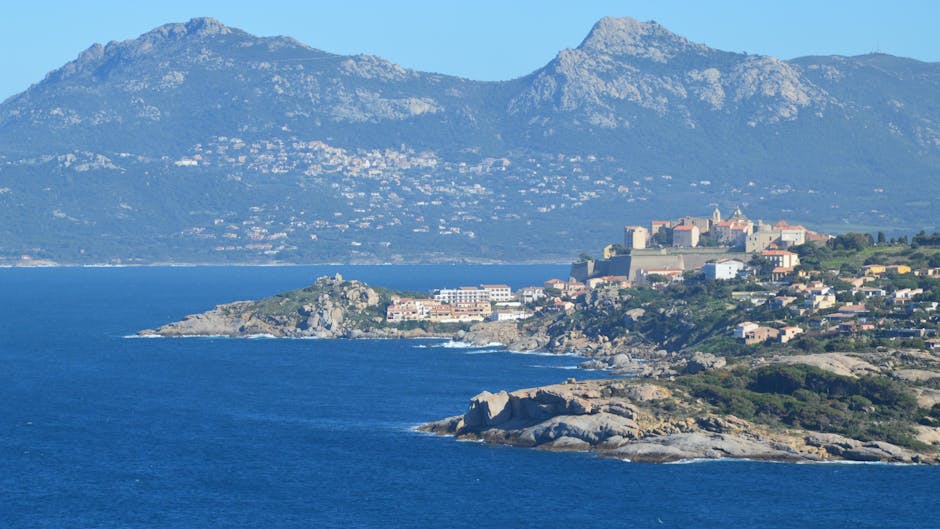
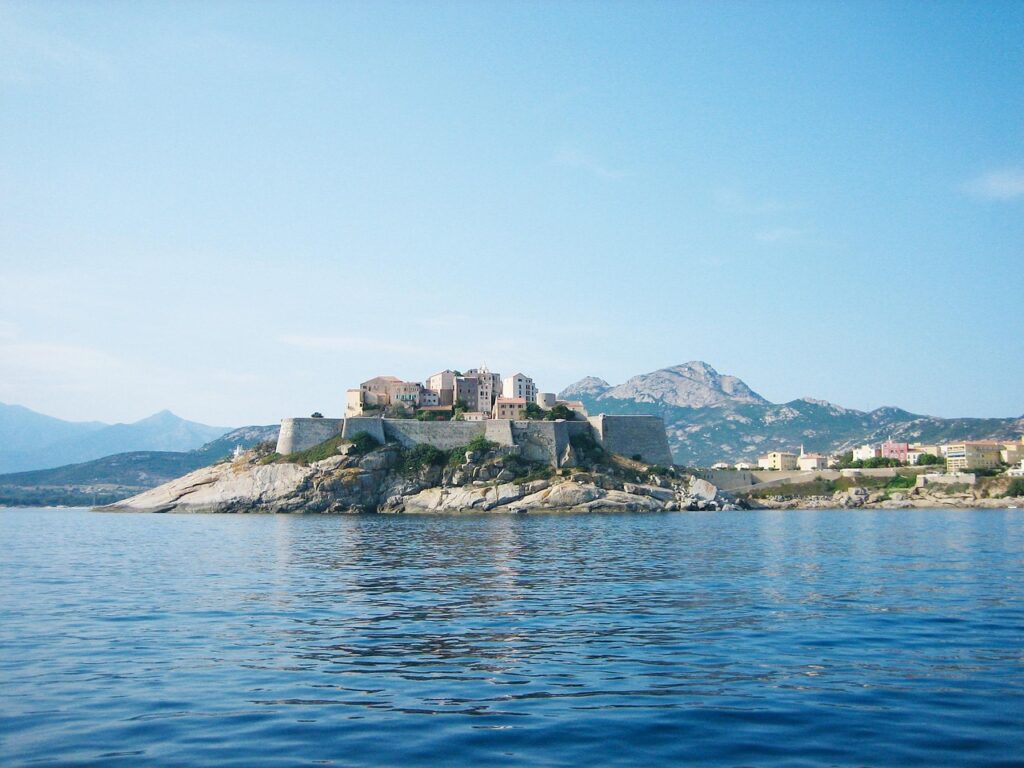
Calvi’s citadel overlooks the bay and town from its Genoese ramparts. Built from the 13th century and altered over the centuries, it offers outstanding views over the old town’s roofs, the harbor and the Tyrrhenian Sea. You enter via small paved lanes lined with old houses, artisan workshops and shaded squares. The enclosure, partially accessible, houses Saint-Jean-Baptiste cathedral and several bastions. The citadel is a perfect starting point for understanding Genoese presence in Corsica and appreciating Calvi’s strategic importance in Mediterranean history.
Address: Citadelle de Calvi, 20260 Calvi, Corsica.
Opening hours: outdoor access free 24/7; guided tours of the citadel and museums usually run between 9:00 and 19:00 in season (April to October).
Prices: access to the ramparts is free; guided tours are charged by some operators: around €8–€12 per person for a one-hour guided tour. Some museums in the citadel may charge an entrance fee of €3–€6.
Immersive description: From the moment you enter, the smell of thyme and maquis mixes with salty air. Sun-warmed stones give off dry heat; shuttered windows open onto sea vistas. Climb the towers to spot underwater caves and islets across the bay. The walls speak of sieges and rivalries: cannons and embrasures remind you that Calvi was long a naval stronghold. On a clear day, the silhouette of Elba appears faintly on the horizon.
Local tips: Arrive early to enjoy soft light and avoid summer crowds and heat. After your visit, head down to Quai Landry for coffee or a seafood lunch. Photographers will appreciate the golden hour from the bastions for exceptional colors. Wear sturdy shoes—the cobbles are uneven.
2. Maison Bonaparte (National Museum of the Maison Bonaparte) — Ajaccio
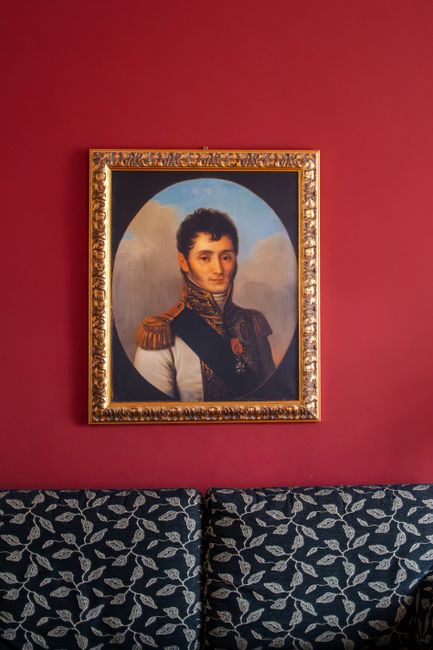
Maison Bonaparte, located in the heart of Ajaccio, is the birthplace of Emperor Napoleon Bonaparte. Now a national museum, it displays furniture, portraits and family mementos that help reconstruct the daily life and rise of a Corsican family that became famous worldwide. The visit mixes restored rooms, formal salons and temporary exhibitions on the Revolutionary era and the Empire.
Address: Musée national de la Maison Bonaparte, 1 Rue Cardinal Fesch, 20000 Ajaccio, Corsica.
Opening hours: generally open from 10:00 to 17:30 (hours vary by season; occasional closures on public holidays).
Prices: indicative adult price €6; reduced rate (students, seniors) around €4; free for under-18s resident in the EU; audioguides and guided visits charged extra (€3–€5).
Immersive description: Passing through the door, you step into an 18th-century bourgeois interior: wood paneling, draperies, family portraits and personal objects. The atmosphere is at once intimate and dignified. Museum guides place the Bonaparte family’s trajectory within the Corsican context, describing the house as a crossroads of Mediterranean influences. From the windows you can glimpse Ajaccio’s lanes and the bustle of the historic center.
Local tips: Book tickets in advance during high season to avoid queues. Combine the visit with the Musée Fesch (fine arts museum) nearby for a full cultural day. Afterward, stroll along the quay and sample local dishes: herb omelette, roasted kid, or grilled fish with lemon.
3. Corte Citadel (Citadel and Museum of Corsica) — Corte
In the island’s center, Corte is considered Corsica’s historic and cultural capital. Its citadel perched on a rock above the town overlooks the gorges and surrounding mountains. The citadel and the Museum of Corsica (Musée de la Corse – National Ethnography Museum) offer a comprehensive view of island history, traditions and ways of life from prehistory to the 20th century.
Address: Citadelle de Corte, Place Gaffory, 20250 Corte, Corsica. Museum of Corsica: Palais de Corté, Place Gaffory, 20250 Corte.
Opening hours: citadel accessible outdoors 24/7; museum reception usually open from 10:00 to 18:00 (high season); reduced hours off-season.
Prices: outdoor access free; Museum of Corsica – indicative fees: adult €7–€9; reduced €4–€6; sometimes free for under-12s depending on the period.
Immersive description: Corte has a distinct mountain atmosphere: tightly packed houses, steep lanes, cafés where people debate politics and identity. The walk up to the citadel unveils striking views over the Restonica valley. Housed in the palace, the museum displays costumes, farming tools, traditional musical instruments and reconstructions of rural homes. You’ll grasp the huge diversity of Corsican terroirs and the importance of a mountain-centered communal life.
Local tips: Combine the citadel visit with a short hike into the Restonica valley (trailheads close to the center). In summer, set out early to beat the heat and book a local guide if you want deeper historical and naturalist insight. Don’t miss tasting Corsican charcuterie (prisuttu, lonzu) at one of Corte’s traditional delis.
4. Filitosa Prehistoric Site — Sollacaro / Figari
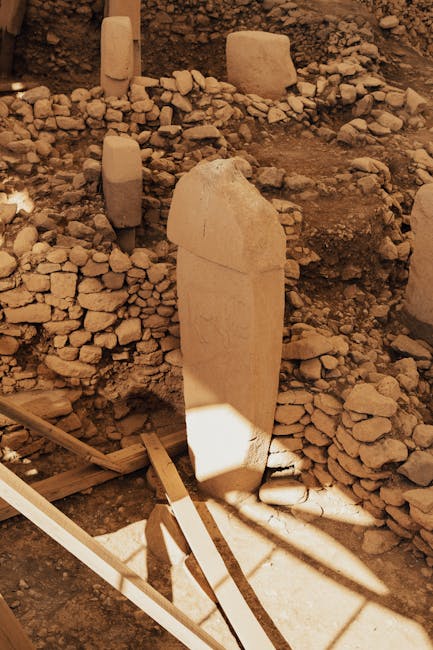
Filitosa is the most famous megalithic site in Corsica, located in the island’s southwest. It bears witness to continuous human occupation since the Neolithic. You’ll find anthropomorphic menhirs, carved stone statues and remains of dwellings and ritual enclosures. The museum trail and marked path make Corsican archaeology accessible and educational.
Address: Site de Filitosa, 20140 Sollacaro, Corsica (near Figari).
Opening hours: generally open 9:00 to 18:00 in high season (April to October); reduced hours off-season; closed some public holidays.
Prices: indicative adult price €8–€10; reduced €5 approx.; free for under-12s depending on the period. Audioguides in several languages available (supplement €2–€3).
Immersive description: The site sits amid maquis and olive trees, with limestone hills as a backdrop. The carved stone statues, with stylized faces and engraved swords, gaze from ancient pedestals; you can imagine rituals held here—between veneration and protection. The educational trail explains chronology, recovered tools and hypotheses about the monuments’ functions. The atmosphere is both mysterious and carefully curated by the site team.
Local tips: Wear sturdy shoes and bring water—the loop involves some slopes. Prefer morning or late-afternoon visits to avoid strong heat. The site shop sells reproductions and specialist books; archaeology enthusiasts should book the thematic guided tour announced at reception.
5. Scandola Reserve and Girolata Village — Porto (Natural Reserve)
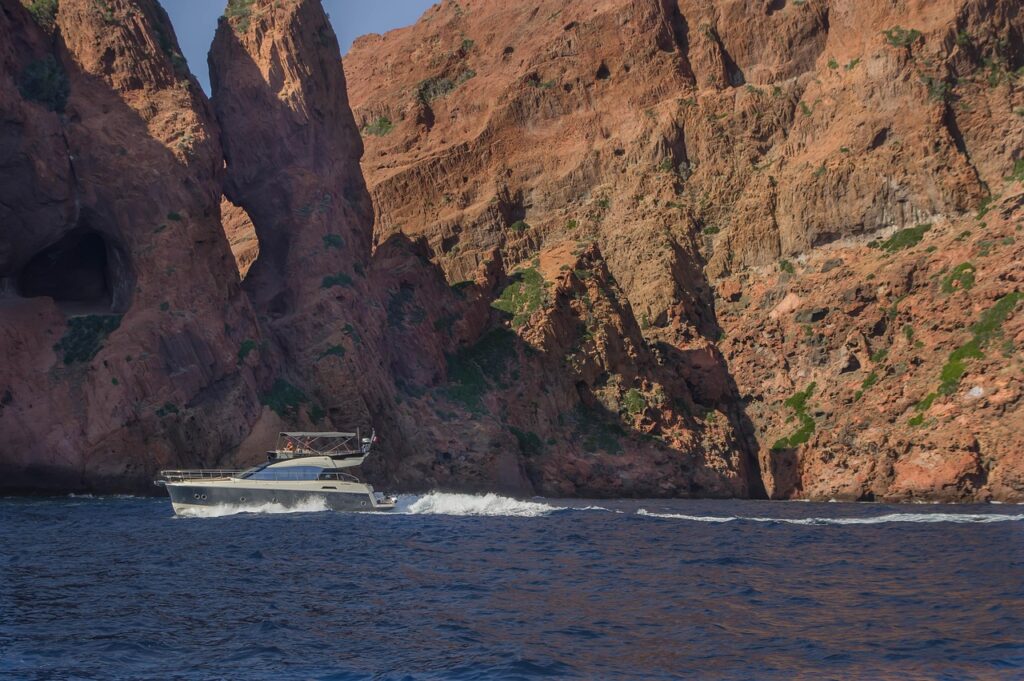
The Scandola Nature Reserve, part of the UNESCO-listed « Calanques of Piana, Gulf of Girolata and Scandola, » is a coastal gem primarily accessible by sea. Boat trips from Porto let you admire red porphyry cliffs, arches, caves and exceptional marine biodiversity. The isolated hamlet of Girolata, with no road access for cars, retains an intact atmosphere, featuring a handful of homes, a restaurant and the famous Genoese tower watching over the bay.
Address (departure point): Port de Porto, 20150 Porto, Corsica. Scandola Reserve: Réserve Naturelle de Scandola, 20226 Porto (protected zone).
Opening hours: boat departures generally between 9:00 and 18:00; average excursion lasts 2–4 hours depending on the route. The reserve itself is protected: disembarkation is forbidden except in authorized zones (Girolata).
Prices: indicative round-trip boat excursions Porto–Scandola–Girolata €25–€45 per person; prices vary by season and operator. Some private or small-group excursions can cost €60–€120 per person.
Immersive description: The sea here turns shades of deep azure; red cliffs carve out fantastic silhouettes. Seabirds like cormorants and gulls animate the ledges. The captain will point out islets, geology and local history during the crossing. In Girolata, the lack of road access gives the hamlet a rare calm: dining by the water, swimming in a wild cove or exploring the Genoese tower are all part of a timeless experience.
Local tips: Book your excursion well in advance during high season. Bring a windbreaker and sun protection; even when the sea is warm, wind can be cool on the water. Strictly follow reserve rules: no collecting, no fires, and land only in authorized areas. If possible, choose a small-capacity boat for a quieter, more intimate experience.
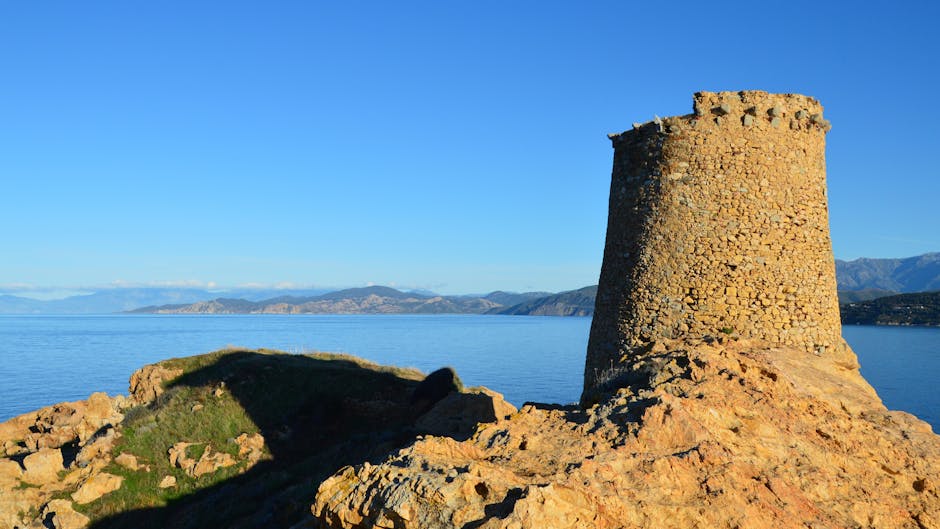
6. Genoese Towers: Tour de la Parata and the Sanguinaires Islands — Ajaccio
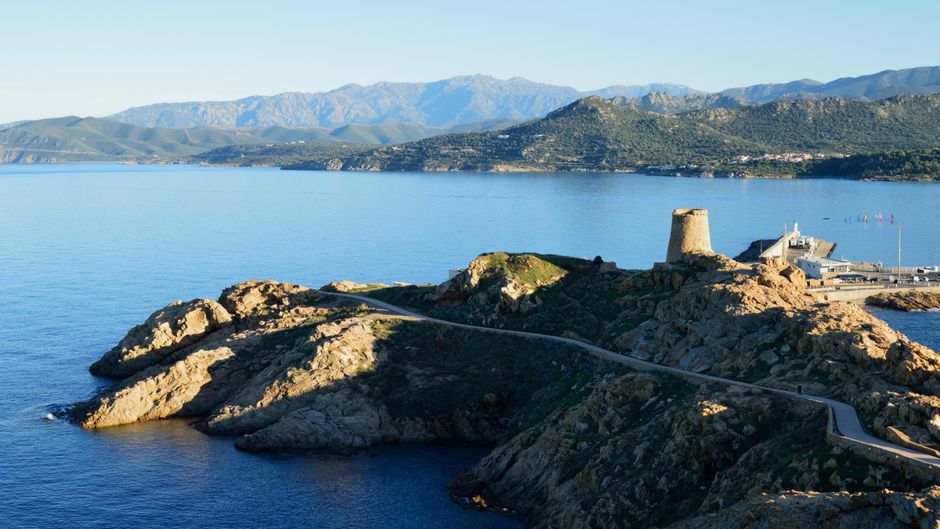
Genoese towers are visible reminders of Genoese rule in the Mediterranean. Around Ajaccio, the Tour de la Parata, perched on the headland of the same name, offers spectacular views of the Sanguinaires islands and the sea. Built in the 16th century, it served for observation and defense against raids. The Sanguinaires islands across from the headland form an archipelago with reddish landmarks and are a prime spot to watch sunsets.
Address: Tour de la Parata, Pointe de la Parata, 20000 Ajaccio, Corsica (Access: Pointe de la Parata, D107 road). Sanguinaires Islands: archipelago off Pointe de la Parata.
Opening hours: access to the headland and tower exterior is free; the tower is sometimes open to visitors depending on season and events, usually 9:00 to 18:00 in season.
Prices: access to the headland is free; climbing the tower may be charged during events or guided visits (€3–€5).
Immersive description: The path to the tower winds above turquoise waters, dotted with maquis and sculpted rocks. The tower stands round and massive, like a motionless sentinel. From the top you take in the peninsula and the islands, where colors ignite at sunset. Photographers will find one of the best spots to capture Corsica’s light here.
Local tips: The D107 can be narrow and parking fills up quickly in high season: come early to avoid crowds. For a memorable evening, plan a sunset picnic (leave the site clean). If you have half a day, combine the visit with a boat trip to the Sanguinaires from Ajaccio’s port.
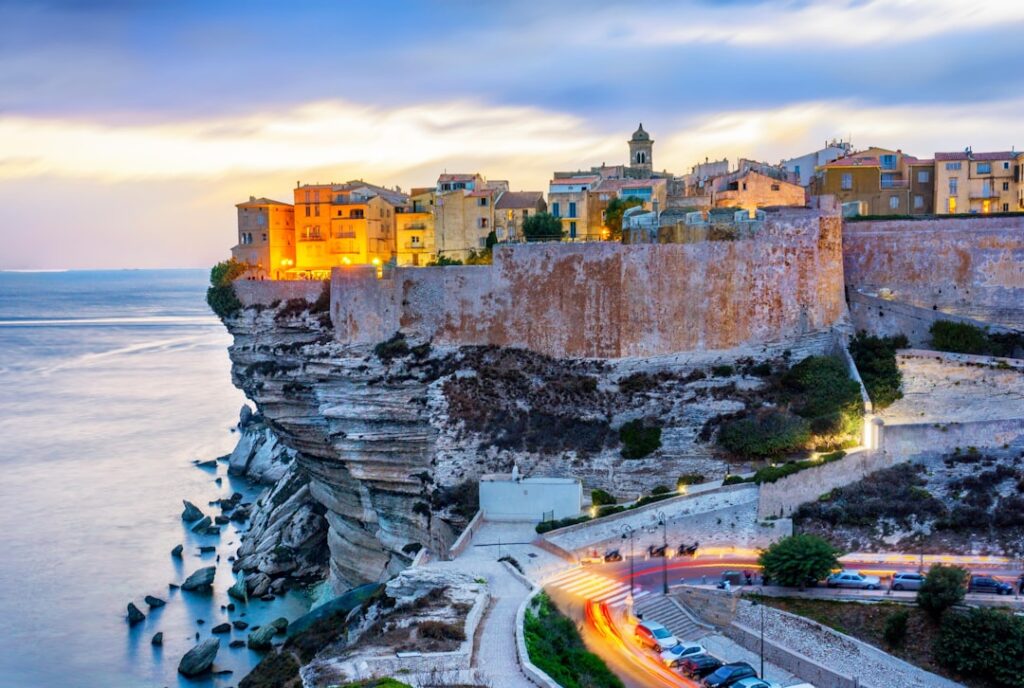
7. Bastia Citadel and Terra Vecchia — Bastia
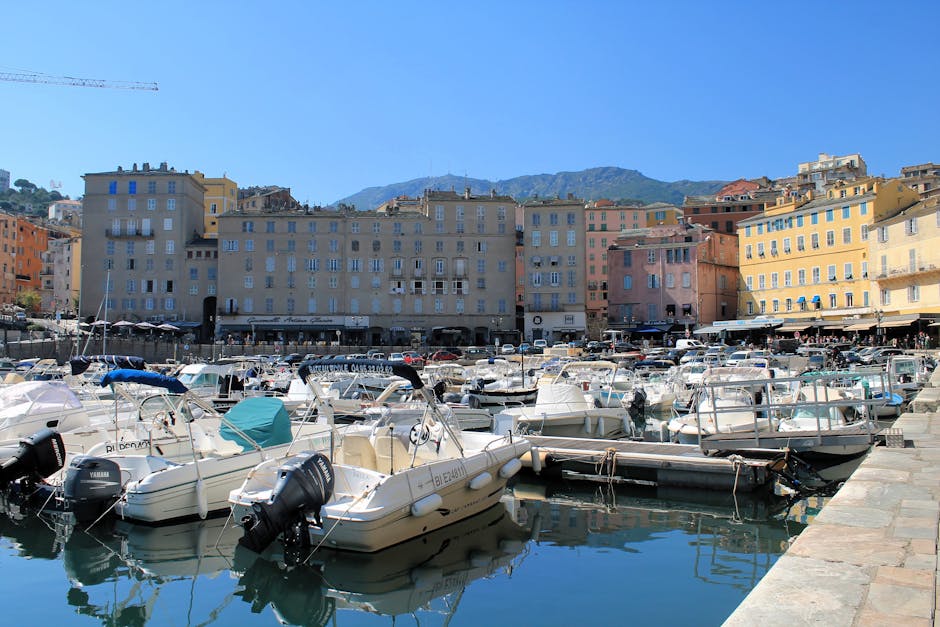
Bastia, on the island’s northeast, retains a lively historic center dominated by its citadel and the Terra Vecchia (Old Port) quarter. The Genoese citadel, with its stepped lanes, baroque churches and sea views, illustrates Bastia’s strategic maritime role through history. The Old Port, animated by cafés and markets, is the city’s beating heart where tradition meets modern life.
Address: Citadelle de Bastia / Terra Vecchia, Place de l’Indépendance and Old Port, 20200 Bastia, Corsica.
Opening hours: free access; most churches and museums in the quarter open between 9:00 and 18:00 (hours vary).
Prices: strolling the neighborhoods is free; some monuments (churches, local museums) charge €2–€6.
Immersive description: Walk along Rue Napoléon and the narrow lanes that climb to the citadel, past colorful façades and flowered balconies. Saint-Jean-Baptiste church, vast and luminous, is one of the largest Baroque churches in Corsica. From the ramparts you embrace the harbor, freighters and islands offshore. The Old Port buzzes at sunset: terraces, fishers selling the day’s catch and local artisans.
Local tips: Visit Bastia market (Place du Marché) early to discover local products: cheeses, honey, chestnut flour. Climb the ramparts in late afternoon for gentle light. If you love religious architecture, don’t miss the small citadel church and its interior chapels.
8. Nonza Tower and the Village of Nonza — Cap Corse
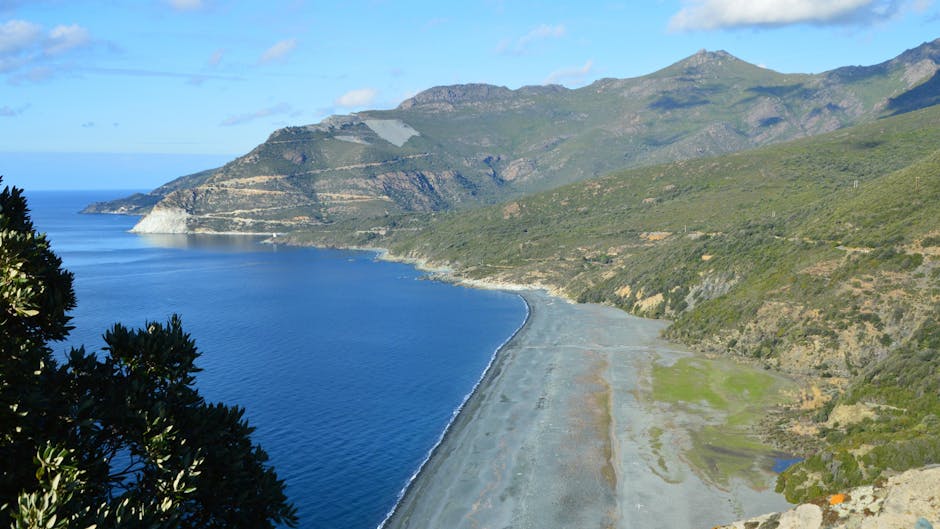
Perched on a black cliff, the Tour de Nonza watches the sea from Cap Corse, offering a dramatic view over the pebble beach and the deep waters below. The picturesque, well-preserved village of Nonza is built around its central square and small church. The tower, built in the 16th century, symbolizes the Genoese towers dotting the island’s northern coast and is an excellent vantage point over the local seascape.
Address: Tour de Nonza, Place de la Tour, 20217 Nonza, Cap Corse, Corsica.
Opening hours: village and trails open 24/7; the tower is visible from the outside; interior access depends on local permissions and occasional visits (check with Nonza town hall).
Prices: exterior visit free; interior access sometimes charged during local events (fees vary, generally €2–€5).
Immersive description: Approaching Nonza, the dark cliff contrasts sharply with the clear sea. Old houses clustered around the square seem frozen in time. The pebble beach produces a deep surf and a unique sound. At dusk, the tower’s silhouette stands out against an orange sky—an ideal moment for photographers and those seeking calm.
Local tips: The Cap Corse road is winding; drive carefully and allow stops to admire the views. Nonza beach isn’t always suitable for swimming depending on sea conditions, but it’s perfect for visual rest and walking. To extend your visit, head to the small port of Barcaggio or hike coastal trails to discover other Genoese towers and secret coves.
Conclusion: Planning Your Corsican Heritage Tour
Visiting Corsica’s heritage means meeting an island made of thick stone and deep memory. These eight sites—the citadels of Calvi, Corte and Bastia, Maison Bonaparte, Filitosa, the Scandola Reserve, Tour de la Parata and the Sanguinaires, and the Tour de Nonza—offer a representative spectrum of the island’s history: massive ramparts, bourgeois residences, megalithic sanctuaries, protected coastal landscapes and perched villages. They also serve as anchors for complementary experiences: hikes, wild swims, culinary tastings and encounters with artisans.
Practical planning tips: first, consider seasonality. Summer (July–August) is high season with extended hours and many events but also notable crowds: book accommodations and excursions (especially Porto–Scandola) several weeks in advance. Spring and autumn are excellent compromises: soft light, pleasant temperatures and fewer visitors. For paid museums and sites, check online or call ahead; prices in this guide are references and may vary. Pack appropriate footwear, a hat and water, especially for natural sites and visits away from urban centers.
Respecting the heritage: Corsica protects its natural and historical sites firmly. Follow signage, stay on marked trails, don’t pick anything and don’t remove objects or stones. In villages, be discreet: tranquility is important to locals. When visiting museums, try to favor local services (guides, shops, restaurants), which help preserve and enhance the heritage.
Finally, let curiosity lead you. Between major sites, take time to get lost in a lane, listen to a story told by a resident, taste a dish made from local produce or simply watch the sea from a promontory. Corsica’s heritage is revealed as much in monuments as in daily gestures and flavors. By mixing cultural discovery with sensory experiences, your trip will become a true immersion into a living, millennia-old history that’s still unfolding.