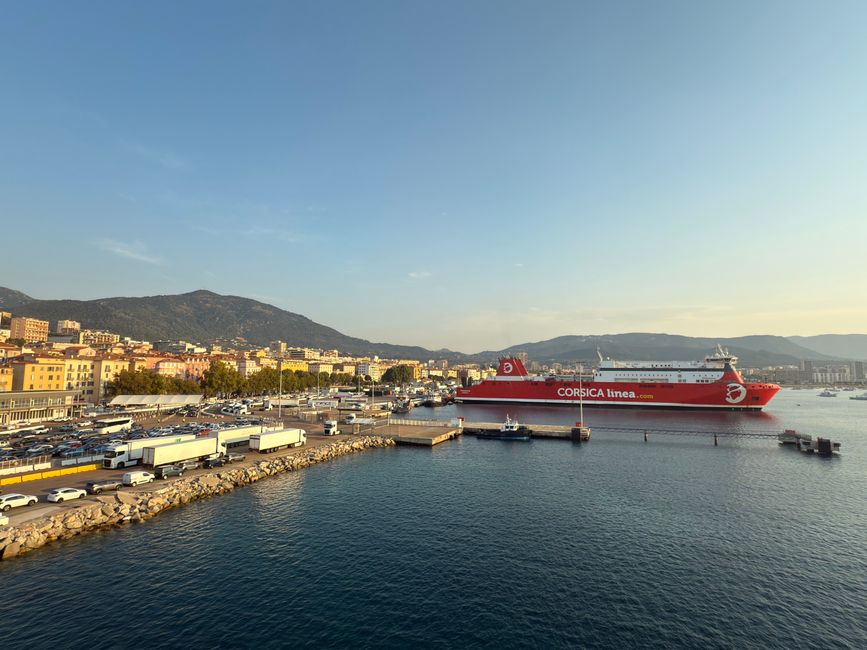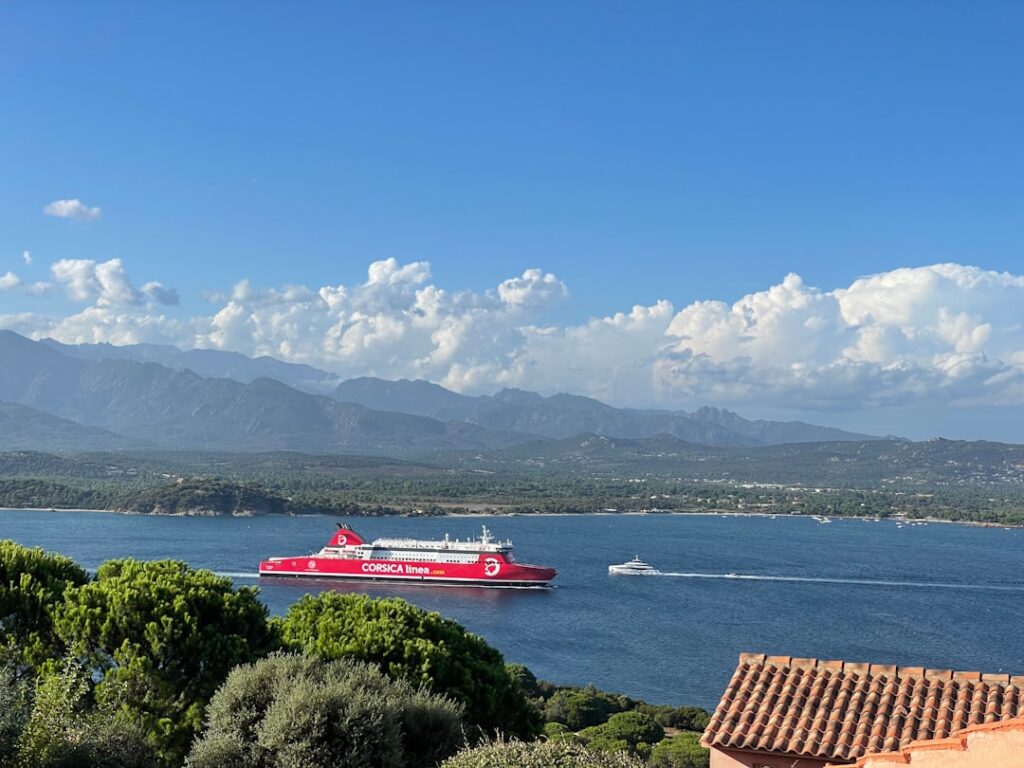






Introduction: Understanding Corsica’s ferries — an essential maritime network
Corsica is an island of contrasts: jagged mountains, rugged coastlines, hilltop villages and pristine beaches. For many visitors, arrival and departure happen by sea. Ferry connections to and from Corsica are more than simple transport links: they shape the travel experience, offer unique panoramas and influence how you plan your trip. This guide gives a comprehensive, practical overview of Corsica’s ferries, with exact addresses, typical timetables, price ranges in euros, local tips and immersive descriptions for each major port and route.
Whether you’re traveling on foot, by bike, motorcycle or car, choosing the right ferry means understanding not only departure times but also onboard services (berths, reclining seats, dining), boarding procedures, seasonality and where the ports sit on the island. In high season (June to September) sailings ramp up, direct services are added and fares rise; in low season some routes disappear or run only a few days a week. This guide is aimed at day visitors as well as Corsicans who regularly use ferry links to the mainland or between Corsican ports.
Here you’ll find a detailed rundown of the main Corsican ports — Bastia, Ajaccio, Calvi, L’Île-Rousse, Porto-Vecchio, Propriano, Bonifacio — and the mainland ports served (Marseille, Toulon, Nice, Livorno, Genoa, Savona). For each route we list exact addresses: precise boarding spots, information offices and parking, plus example timetables and typical fares in euros. We also give practical advice: when to book, how to board with a vehicle, tips to avoid summer crowds and how to make the most of the crossing (which side to choose for sunset views, best spots on deck, cabin recommendations).
Finally, this guide includes visual cues — photographic descriptions and image markers — to help you spot piers, ticket desks and boarding areas. Embarkations in Corsica can be busy: knowing that a ferry to Marseille usually leaves at night or that a Livorno departure is often in the morning can change how you arrange your day. The aim is to give you concrete, actionable info so your sea crossings to and from Corsica are smooth and memorable.
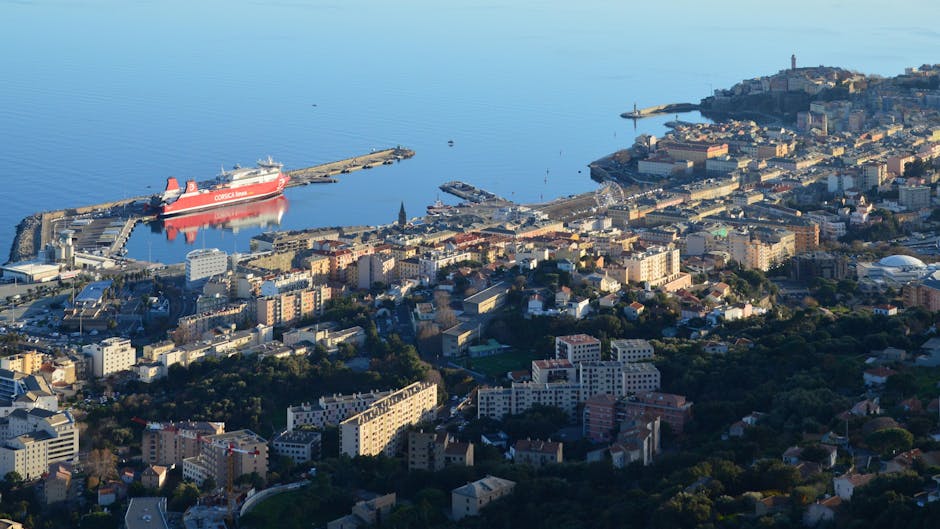
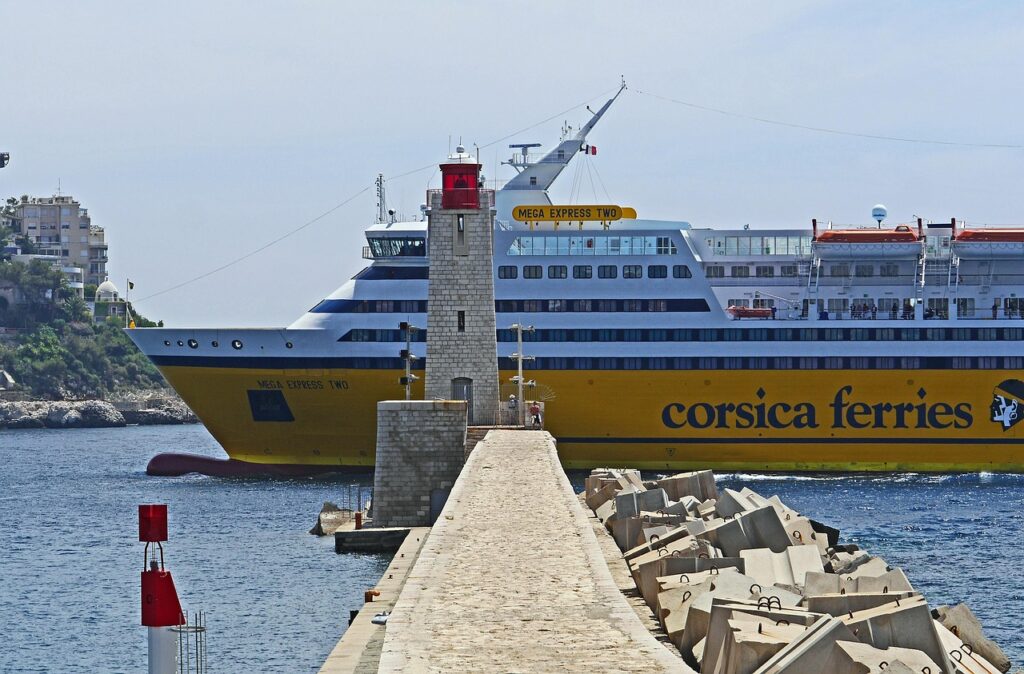
Main Corsican ports: addresses, facilities and atmosphere
Corsica has several ports served by regular ferries. Each has its own vibe and logistical quirks. Below are the main ones, with exact addresses, facilities and practical tips.
-
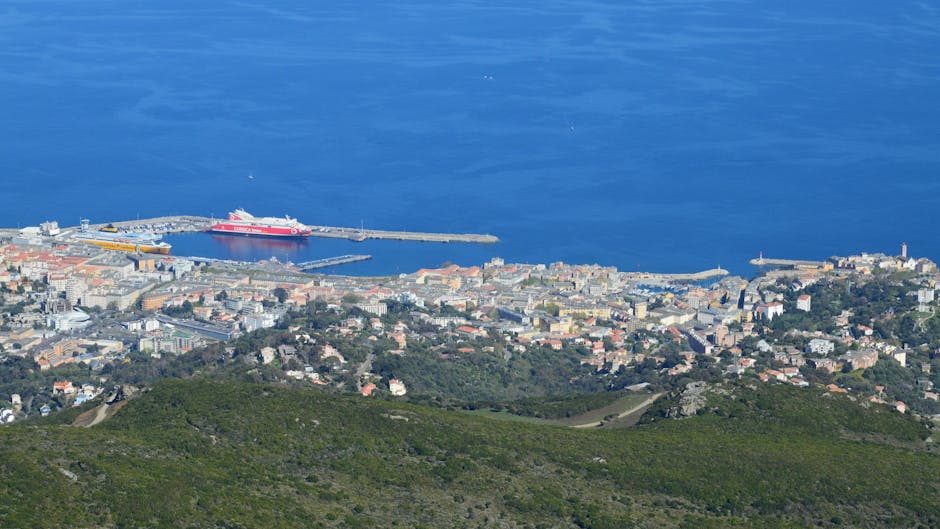
Bastia — Port de Commerce / Quai Napoléon
Address: Port de commerce, Quai Napoléon, 20600 Bastia. Company offices are located along the waterfront. Services: public parking (Parking du Gênes, Quai Napoléon), cafes and ticket desks.
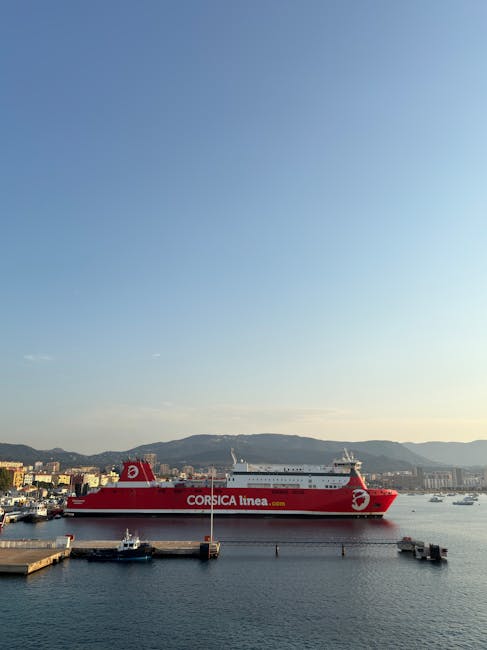
Description: Bastia is the island’s northeastern gateway. The commercial port hosts Corsica Ferries, Corsica Linea and Moby. Departures for Marseille are often overnight (22:00–23:30 departures, arrivals 07:00–09:00), while crossings to Livorno or Savona generally sail during the day (morning departures around 08:00–10:00). Indicative prices: Bastia–Marseille from €80 per person without a vehicle, €120–€220 for a car + 2 passengers depending on season and cabin type. Tip: arrive 1½–2 hours before departure if you’re taking a vehicle in summer. -
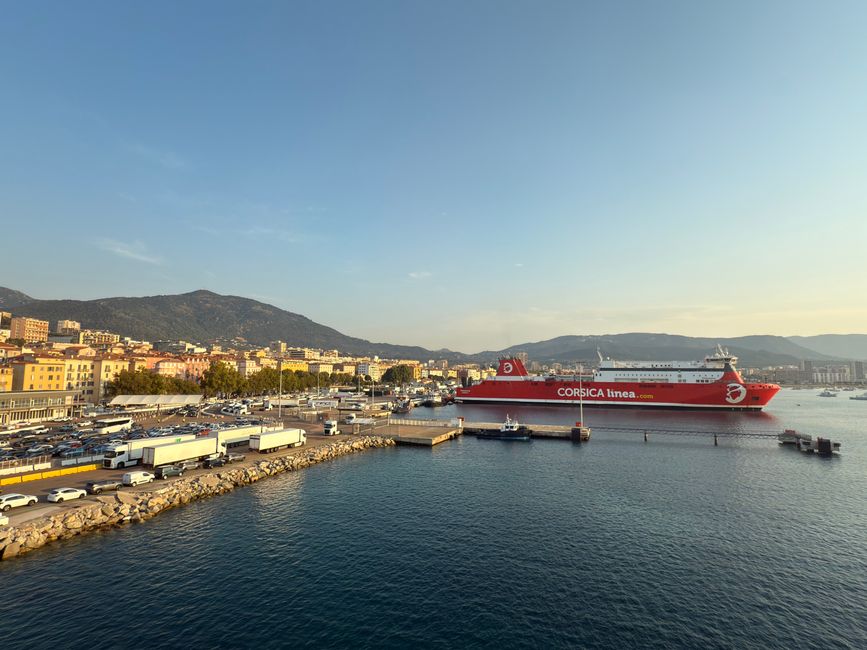
Ajaccio — Port d’Ajaccio
Address: Port d’Ajaccio, Quai Paul Colonna d’Istria, 20000 Ajaccio. The new passenger terminal is well signposted from the T10 road.
Description: The main port on the west coast, Ajaccio has frequent sailings to Marseille (overnight departures around 22:00–23:00, arrivals 07:00–08:30) and seasonal services to Nice or Sardinian ports. Facilities: short- and long-term parking (Parking du Port, Rue Roi de Rome), ticket offices, cafeterias. Prices: Ajaccio–Marseille from €75 pp without a car, €110–€210 for car + passengers. Local tip: to watch the sunset from the ferry, book a seat on the west side in the evening. -
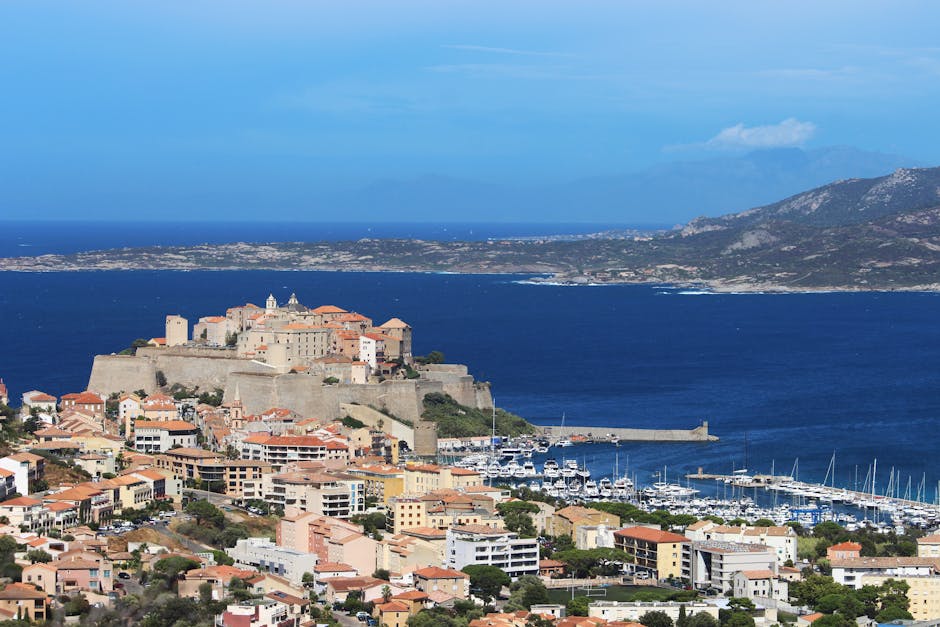
Calvi — Port de Calvi
Address: Port de Calvi, Boulevard Wilson, 20260 Calvi. Ticket office: Quai Nord, boarding area at the foot of the citadel.
Description: Calvi is a popular entry point for the Balagne region. Crossings to Nice or Livorno mainly run between May and October. Typical times: morning departures around 08:00–10:00; returns late afternoon. Prices: Calvi–Nice foot passenger from €45, car roughly €90–€150. Advice: park early — space is limited in high season and the walk up to the old town can be steep. -
L’Île-Rousse — Port of L’Île-Rousse
Address: Port de L’Île-Rousse, Place Paoli, 20220 L’Île-Rousse. Boarding: central quays near the covered market.
Description: Smaller than Calvi but convenient for western Balagne. Seasonal sailings to Nice and sometimes Marseille via a stop. Indicative fares: €35–€80 depending on route and whether you’re a foot passenger or with a vehicle. Tip: combine a morning crossing with breakfast at the market on Place Paoli before boarding. -
Propriano — Port de Propriano
Address: Port de Propriano, Quai du Port, 20110 Propriano. Services: small terminal, boarding posts and parking near the port.
Description: Propriano occasionally serves internal or seasonal routes to Marseille/Bonifacio. Atmosphere: a busy fishing port near the Valinco gulf. Prices: limited, seasonal crossings — expect €40–€120 depending on route and season. -
Porto-Vecchio — Port of Porto-Vecchio
Address: Port de Porto-Vecchio, Quai Pascal Paoli, 20137 Porto-Vecchio. Seasonal boarding, offices along the waterfront.
Description: Mostly seasonal connections (July–August) to Nice or Italian stops. Ideal if you’re heading to southeast Corsica and beaches like Palombaggia. Indicative fares: €50–€120 depending on route and vehicle. -
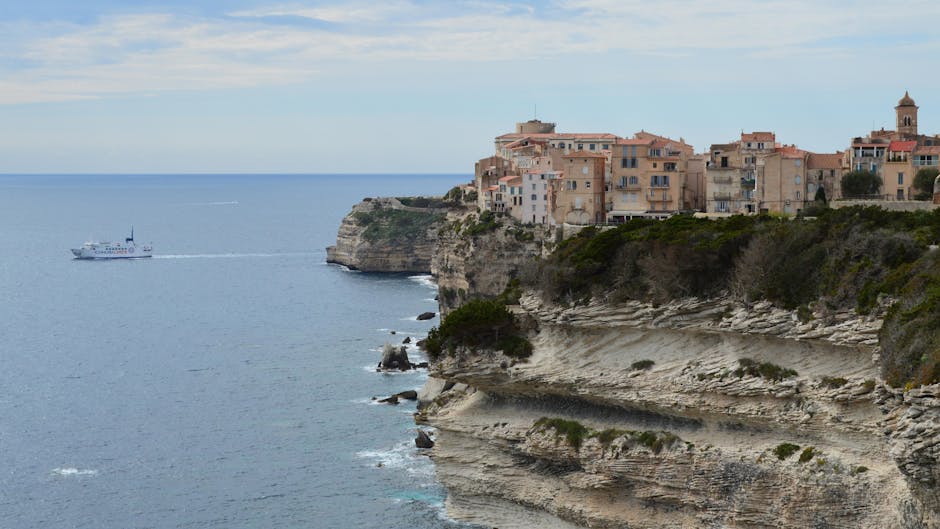
Bonifacio — Port of Bonifacio
Address: Port de Bonifacio, Quai Renaud, 20169 Bonifacio. Boarding at the foot of the cliffs and the citadel.
Description: Bonifacio is exceptionally picturesque; ferries sometimes run to Sardinia (Santa Teresa Gallura) and to certain Italian ports in season. Prices: Bonifacio–Santa Teresa Gallura vehicles €50–€90; foot passengers from €15–€30. Tip: arrive during daylight to enjoy the cliff views from deck.
Operators and their services: choices, fares and practicalities
Several operators run services to Corsica. Each has different schedules, pricing policies and comfort levels. Here are the main players, their services and some useful office addresses.
-
Corsica Ferries – Sardinia Ferries
Local office / ticket desks: Bastia Port, Quai Napoléon, 20600 Bastia and Calvi Port, Boulevard Wilson, 20260 Calvi. Services: frequent crossings, cabins, reclining seats, self-service dining, paid Wi‑Fi. Fares: Bastia–Marseille from €80 pp on promotion, car €130–€250 depending on season and category (vehicle space, cabin). Typical times: overnight departures 22:00–23:30 for Marseille, morning departures to Italy around 08:00–10:00. -
Corsica Linea
Headquarters in Marseille: Quai de la Joliette, 13002 Marseille (commercial office). Services: a French operator with regular Bastia/Ajaccio–Marseille sailings, cabins and catering services. Fares: Ajaccio–Marseille from €75 pp, car €110–€200 depending on season. Timetable: often overnight for Marseille (departures 21:30–23:00, arrival around 08:00). -
Moby / Grandi Navi Veloci (GNV)
Offices and departures: Italian ports (Livorno, Genoa) and sometimes Corsican ports depending on season. Services: fast ships and conventional ferries, trans-Mediterranean routes to Livorno (Italy) and Genoa. Fares and times: variable; Livorno–Bastia often departs around 08:30 and arrives about 13:00, foot passenger prices €35–€55, car €90–€160. -
Other seasonal operators
Small local carriers and fast catamarans run occasional services (Calvi–Nice, Calvi–Sardinia). They often provide quicker crossings but with less vehicle space. Fares: €30–€80 pp depending on distance; heavy seasonal schedules (May–Sept).
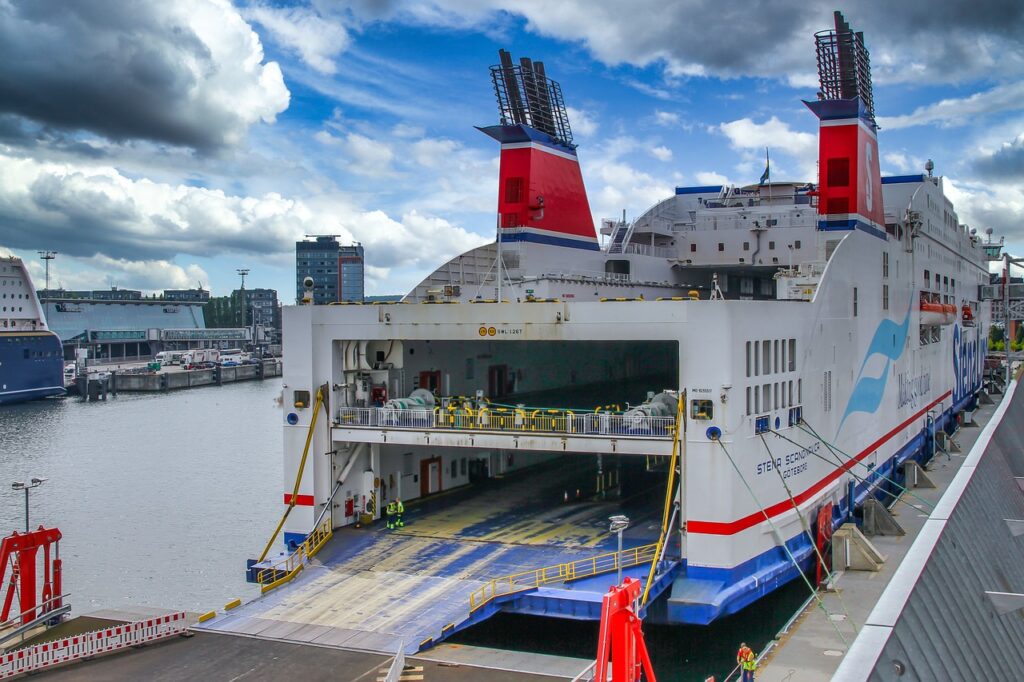
Practical formalities and tips:
- Booking: in high season, book at least 2–6 weeks ahead to guarantee a car space and a cabin. For foot passengers, 1–2 weeks can be enough on some secondary routes.
- Arrival: allow 90–120 minutes before departure for vehicle boarding in summer, 60 minutes for foot passengers. Ticket desks often close 30 minutes before departure.
- Fuel surcharges and taxes: some displayed fares don’t include seasonal fuel surcharges; always check the final total before you pay.
Main routes to the mainland: typical timetables, prices and travel strategies
Routes to mainland France and Italy are the busiest. Here’s an overview of the main crossings, with typical schedules and price estimates.
-
Bastia — Marseille (Direct ferry)
Typical times: overnight departure between 21:30 and 23:30; journey 9–12 hours depending on stops. Example: depart 22:30, arrive 08:00. Prices: from €80 per person without a vehicle; car + 2 passengers €120–€220, basic cabin €30–€80 extra depending on category. Strategy: favor overnight sailings to save a night’s hotel and relax if you book a cabin. Book port side (port/starboard as appropriate) if you want to see the sunrise approaching Marseille. -
Ajaccio — Marseille
Typical times: depart 22:00–23:00, arrive 07:00–08:30; duration 8–12 hours. Fares: €75 pp without a vehicle; car €110–€210. Tip: boarding at Ajaccio can be quick, but baggage and vehicle checks create long lines in July–August. -
Calvi / L’Île-Rousse — Nice
Timetable: seasonal sailings, morning departures 08:00–10:30, returns late afternoon. Duration: 4–6 hours. Prices: foot passengers €40–€65, car €90–€150. Tip: Nice–Calvi is great during daytime for clear visibility and bright coastal views. -
Bastia — Livorno / Genoa
Typical times: daytime crossings, departures 07:30–10:00, duration 4–6 hours depending on the Italian port. Prices: €35–€70 foot passenger, €80–€160 car. Ideal for combining a trip to Tuscany or Liguria.
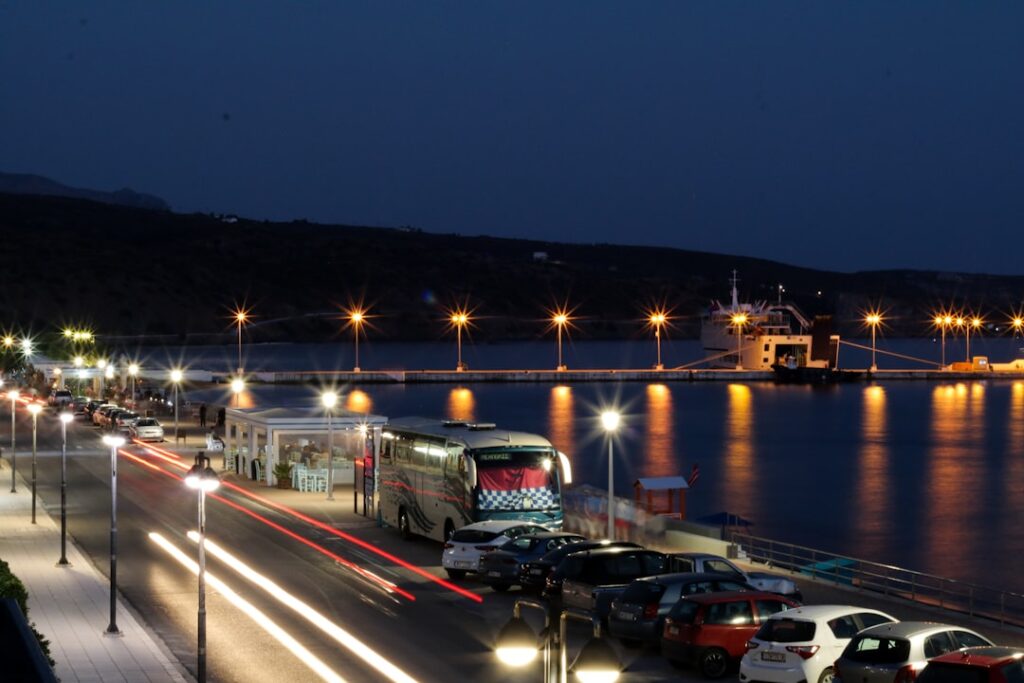
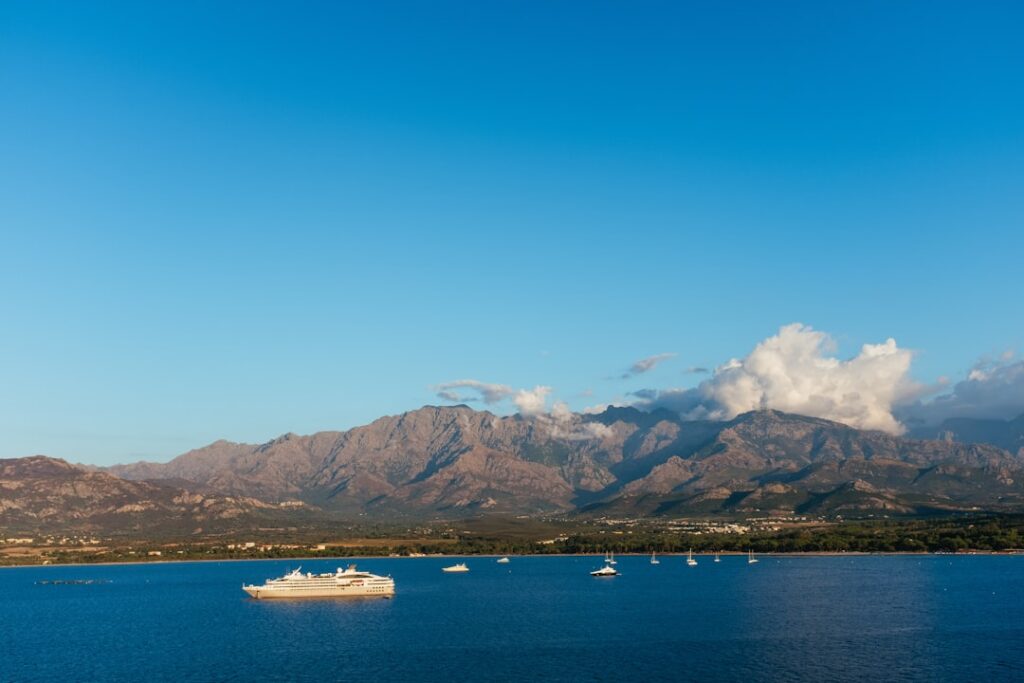
Small tip: compare timetables and total travel time including the drive to the port. Sometimes a longer ferry that sails overnight can save you a full day on-site.
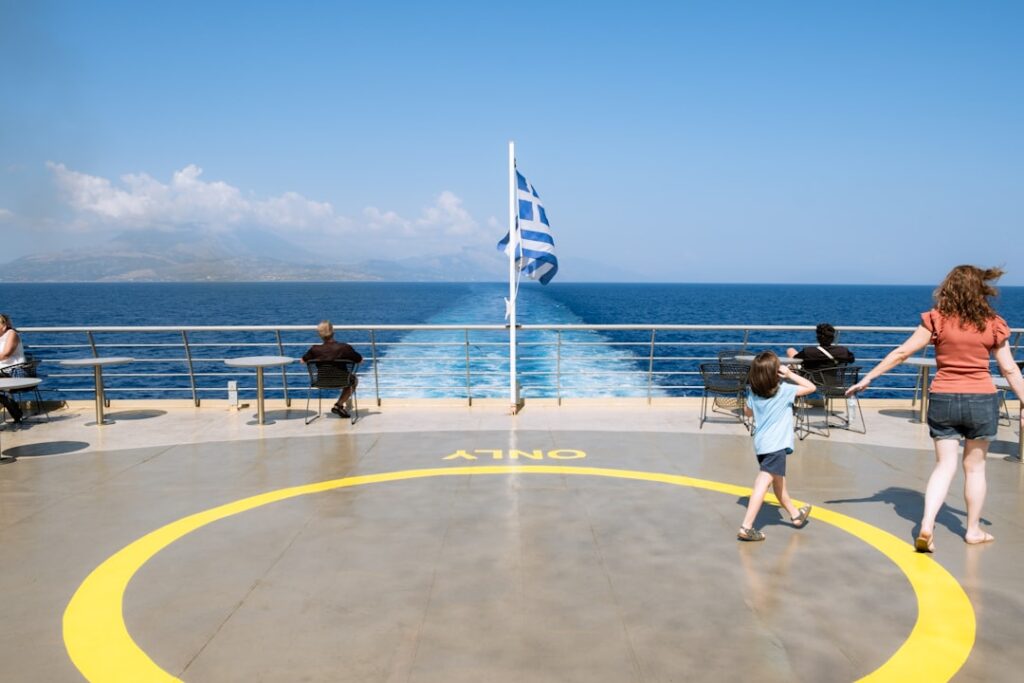
Inter-island crossings and Sardinia routes: Bonifacio and short links
The south of Corsica is a hub for Sardinia, especially the Bonifacio — Santa Teresa Gallura shuttle. This short link (about 25–50 minutes depending on the vessel) is a great way to plan a multi-island itinerary.
-
Bonifacio (Quai Renaud) — Santa Teresa Gallura (Sardinia)
Bonifacio address: Port de Bonifacio, Quai Renaud, 20169 Bonifacio. Timetable: multiple departures per day in high season (08:00, 10:30, 13:30, 16:00), reduced in low season. Duration: 20–50 minutes. Prices: foot passengers €15–€30, motorcycle €25–€50, car €50–€90 depending on size and season. Services: fast catamaran or ferry crossings; you can book just the passenger or include a vehicle. Tip: in summer buy tickets in the morning to avoid queues, and consider luggage storage if you plan a day trip in Sardinia. -
Scheduled links between smaller ports
Description: some companies serve routes like Propriano–Sardinia or Calvi–Sardinia in season. These crossings are less regular but offer interesting itineraries to avoid larger ports and explore secluded coves. Fares and schedules: variable — contact local tourist offices to confirm (Bonifacio Tourist Office, Place de la République, 20169 Bonifacio; opening hours 09:00–12:30, 14:30–18:00 in summer).
Practical tips for boarding (car, motorcycle, bike, foot passengers)
Boarding a ferry in Corsica requires preparation and timing. Here are concrete points covering vehicle boarding, options for foot passengers, and handling equipment (bikes, motorcycles).
-
Vehicle boarding
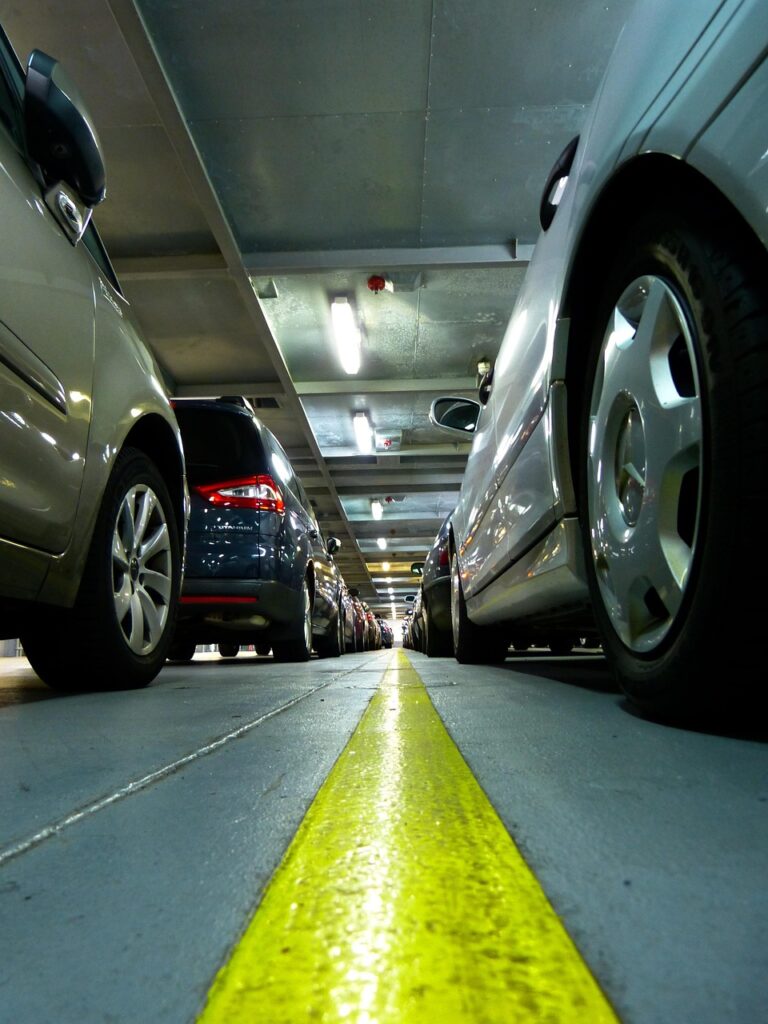
Arrive 90–120 minutes before departure in July/August, 60–90 minutes in low season. Bring documents: vehicle registration, driving license, proof of insurance. Queuing areas are marked; follow “Embarquement voitures” signs and port staff directions. If you booked a cabin, keep your reservation printed or on your phone — ticket desks may ask to see it. Leave a little fuel in the tank and remove valuables from the car if you’ll sleep in a cabin away from the vehicle. -
Motorcycle and bicycle
Motorcycles usually get priority boarding on most companies; bring straps if you carry bikes on a trailer. Bicycles as foot passengers are generally accepted for a small supplement (€5–€15 depending on the company). Tip: protect your bike from salt spray with a lightweight cover during the crossing. -
Foot passengers
Foot ticket desks are at the passenger terminal. Arrive 45–60 minutes before departure, label your luggage and check security restrictions (liquids in cabin/dining areas). At boarding follow the “Passengers” arrows and loudspeaker announcements; disembarkation can take 20–40 minutes depending on port operations. -
Choosing a cabin or seat
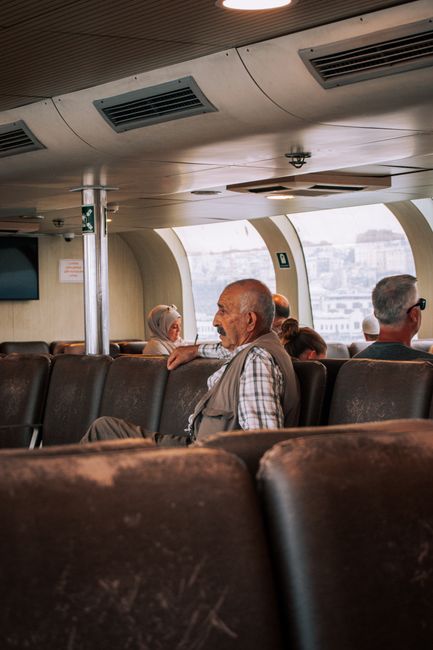
For overnight crossings, a basic cabin usually costs €30–€80 extra for an interior cabin, more for exterior or upgraded cabins. Reclining seats are a budget option (€10–€30). If you suffer from seasickness, sit near the ship’s midsection (central decks) where motion is least felt.
Local tips and recommendations to make the most of your trip
Beyond numbers and schedules, here are tips from local experience to make your Corsican crossing smoother and more enjoyable.
- Book with flexibility: if your schedule is flexible, choose changeable tickets. Weather and operational changes in low season can force adjustments. Companies often sell “Flex” options for a small extra fee (€10–€25).
- Best time to go: May–June and September are ideal: gentler prices, fewer crowds and pleasant weather. July–August is high season: book early, especially if you have a vehicle.
- Long-term parking: favor official port car parks (e.g. Parking du Port in Ajaccio, Rue Roi de Rome) rather than unguarded private lots. Approximate cost: €6–€15 per day depending on location.
- Food on board: expect standard catering: buffet, snacks and a bar. For short crossings bring snacks and water (especially in summer).
- Pick your seat: for views, sit on the upper deck west side in the evening; in the morning, the east side can catch the sunrise over the mainland coast. If you want to sleep soundly, book an interior cabin; otherwise, a reclining seat on a central deck saves money.
- Sustainable travel: carpool to the port or use public transport to reduce your carbon footprint; ports like Bastia and Ajaccio are served by local and intercity buses (schedules vary — check local tourist office sites for regular lines).
Conclusion: make the sea part of your Corsican itinerary
Ferries in Corsica are more than just transport: they’re an experience, a moment of calm where sea, wind and dramatic landscapes meet. Between regular routes to Marseille, short links to Sardinia, crossings to Italy and seasonal services to Nice, you have plenty of options to enter and leave the island. This guide has given you exact addresses (Port de Bastia, Quai Napoléon, 20600 Bastia; Port d’Ajaccio, Quai Paul Colonna d’Istria, 20000 Ajaccio; Port de Calvi, Boulevard Wilson, 20260 Calvi; Port de Bonifacio, Quai Renaud, 20169 Bonifacio; Port de Porto-Vecchio, Quai Pascal Paoli, 20137 Porto-Vecchio; Port de Propriano, Quai du Port, 20110 Propriano), price ranges in euros, typical timetables and practical tips to prepare your crossings as well as possible.
Careful planning (advance booking in high season, early arrival at the terminal if you have a vehicle, choosing a cabin based on desired comfort) is essential to avoid stress and enjoy the journey. Don’t forget to factor in transfer times to ports in your itinerary: a crossing that seems short may be preceded by a mountain drive. Fares vary strongly by season, passenger vs vehicle and comfort level — always allow a budget buffer of 20–40% in summer. For real-time information and to buy tickets, check official operator websites (Corsica Ferries, Corsica Linea, Moby, GNV) and local tourist offices (Bastia Tourist Office, Place Saint-Nicolas, 20600 Bastia; Ajaccio Tourist Office, Place Foch, 20000 Ajaccio).
Whether it’s a quick weekend return or an extended multi-island itinerary, the sea plays a major role in your Corsican trip. Board early, choose the crossing that fits your rhythm (night to sleep, day to admire) and let the Mediterranean guide you. Safe travels — and welcome to Corsica, where sea and land meet on every crossing.