





Introduction — Coastal walks in Corsica: why caution and preparation matter
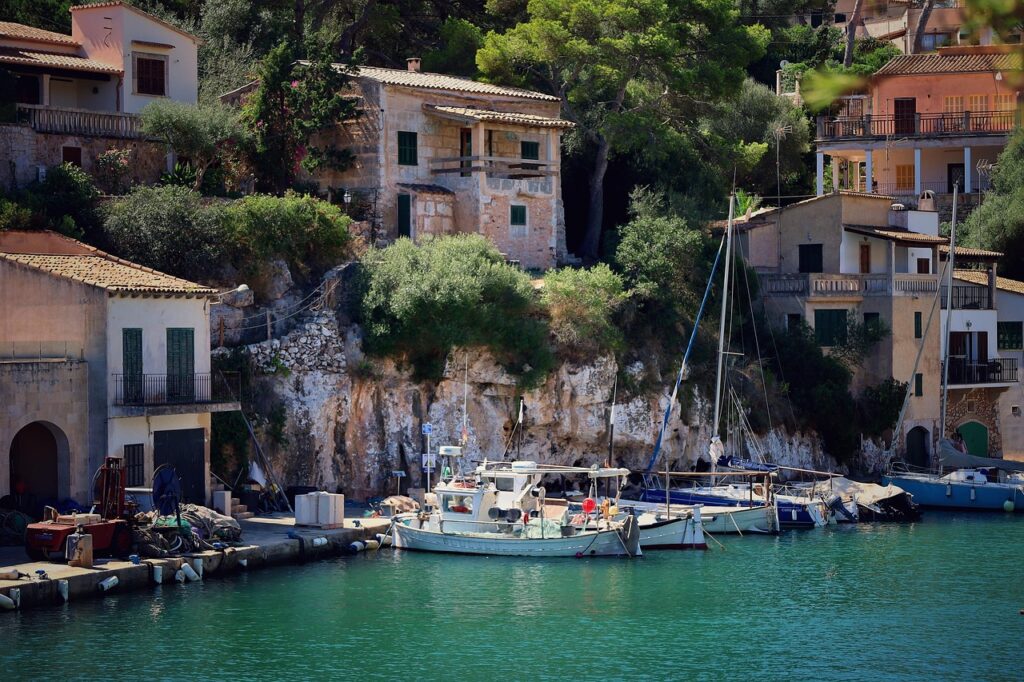
Corsica, the island of beauty, boasts one of the Mediterranean’s most dramatic and diverse coastlines: ochre cliffs, white-sand beaches, secluded coves, wind-swept headlands and charming little harbors. For coastal walkers, that variety is a constant invitation to explore — but it also calls for respect and careful planning. Corsican coastal paths range from well-trodden tracks to exposed sections where vigilance is essential. This article is a practical, general guide for anyone planning coastal walks in Corsica: families, seasoned hikers, photographers or travelers seeking tranquility.
We outline routes known for being relatively safe, give precise access points with addresses, opening hours and fees when relevant, and highlight areas best avoided alone or without proper equipment. The guide includes hands-on local tips: best times of year to go, times of day to avoid heat or high tides, recommended gear (sturdy shoes, water, mapping apps), and emergency numbers. Corsica also contains several protected zones (Scandola Nature Reserve, Lavezzi Islands Reserve, Parc naturel régional de Corse) where navigation, swimming or landing are regulated; boat visits may be ticketed or run on specific timetables. Where possible we list full place names and exact starting points to make logistics easier.
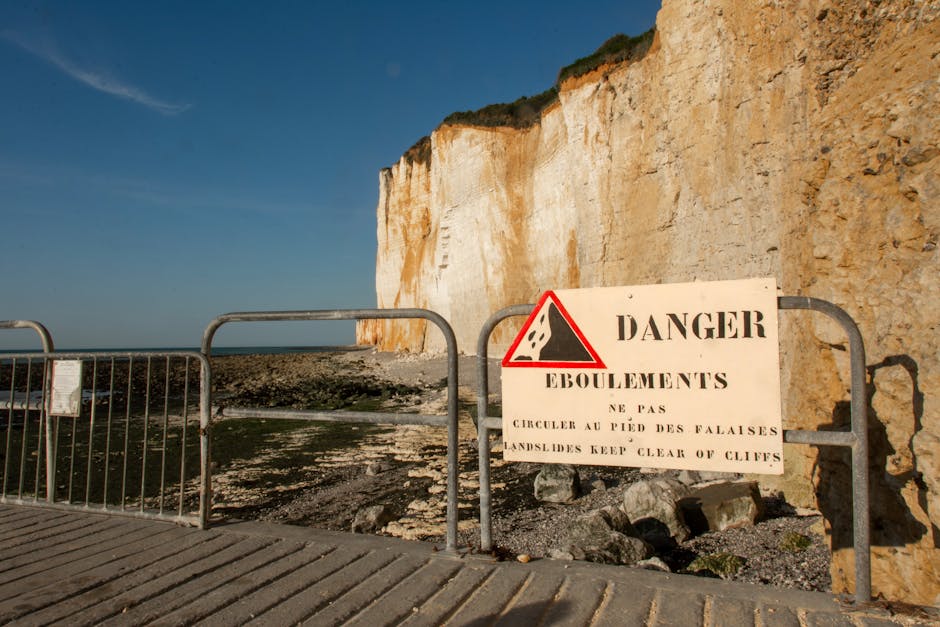
Coastal safety in Corsica isn’t limited to natural hazards (unstable cliffs, occasional sargassum, strong currents): it also involves visitor management in busy spots, respecting private property, and understanding seasonal restrictions (bird nesting periods, regulated beach access). At the end of this guide you’ll find practical recommendations and useful contacts (gendarmerie, mountain rescue). The walks described are tested, safer alternatives, and the sections on areas to avoid will help you plan enjoyable, responsible itineraries.
1) Cap Corse — safe coastal paths and things to watch for
Cap Corse, the wild peninsula at the island’s northern tip, offers varied coastal scenery and trails that are often easy to access. Recommended and relatively safe routes include the coastal path between Macinaggio and Barcaggio, and the loop around the fishing village of Centuri. These walks are suitable for half-day outings and are supported by plenty of water points and shelters in the villages.
Macinaggio – Barcaggio trail: precise start at the Parking du Port de Macinaggio, Avenue du Port, 20247 Rogliano. The path runs along the coast for roughly 6 km one way (12 km round trip). Approximate duration: 3 to 4 hours round trip at a steady pace. Difficulty: easy to moderate, with a few rocky sections near the coves. No access fee (free). Recommended times: set off early between 7:00 and 9:00 or late afternoon after 16:00 in summer to avoid the heat. Recommended gear: sturdy hiking shoes, 2 liters of water per person, sunscreen and a hat. Note: offshore winds (mistral) can make exposed sections slippery; stay away from unstable cliff edges.
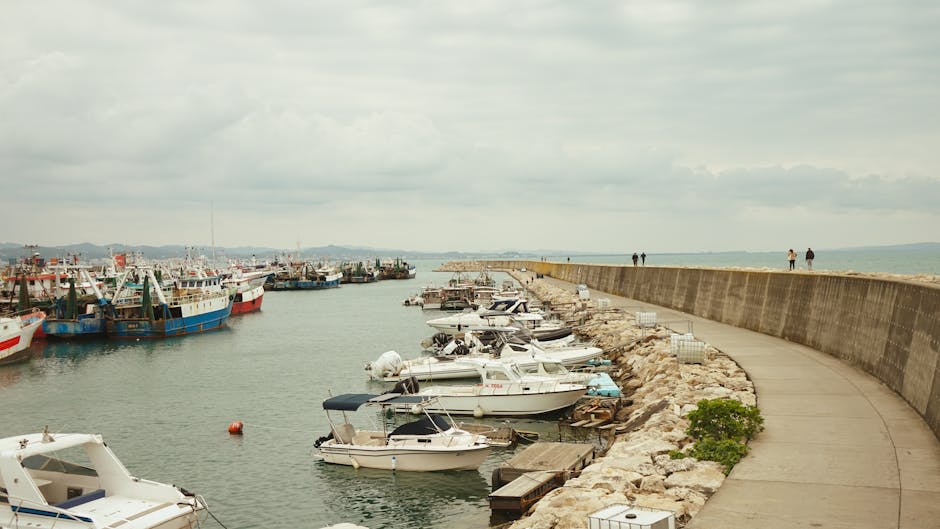
Centuri and the west side of Cap: the village of Centuri, Avenue Paul Giacomoni, 20247 Centuri, is the best access point for walks along the northwest coves. Trails are generally well signposted. Recommended period: April–May or September–October for mild weather and fewer visitors. The beaches at La Peschiera are attractive but sometimes unsupervised; avoid swimming alone if there is strong backwash.
Areas to avoid in Cap Corse: some isolated coves between Tollare and Pietracorbara may look tempting but are exposed and often lack mobile coverage — better to avoid them alone. Also, accessing cliff edges for fishing or photography requires caution: erosion is active. If a weather alert is issued, cancel any coastal excursions.
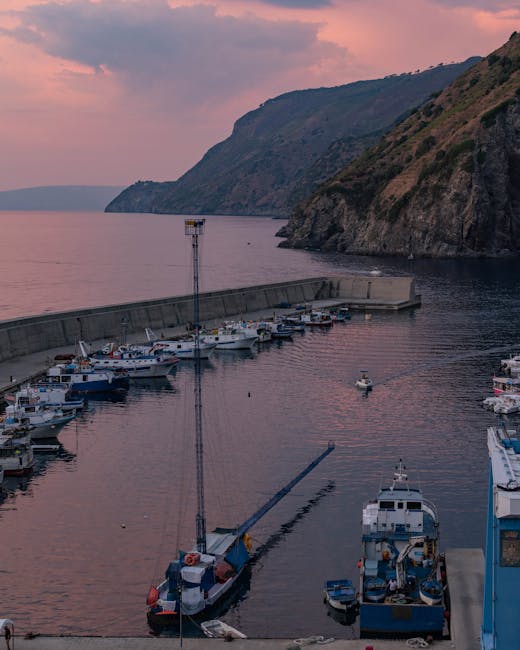
2) The west coast: from Calvi to Porto — cliffs, calanques and safety
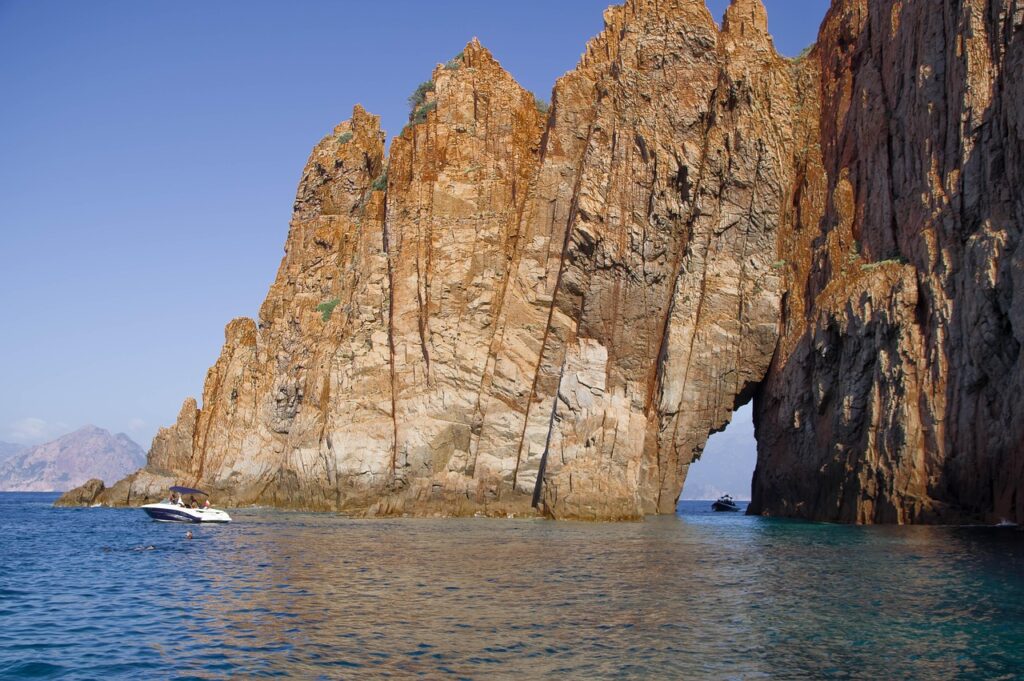
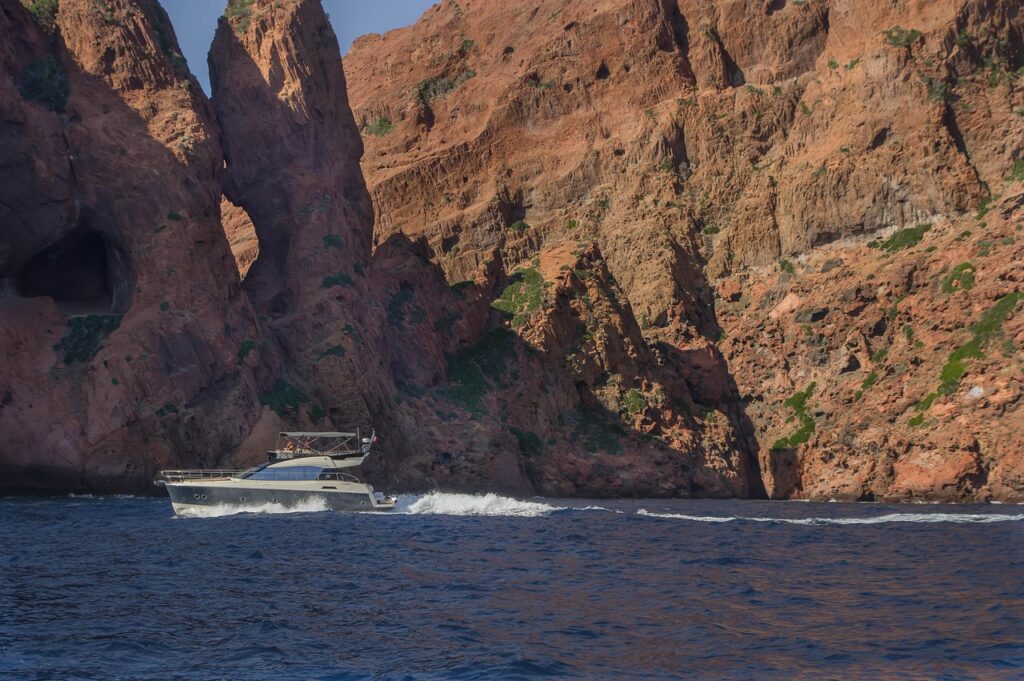
Corsica’s west coast is famous for its red cliffs and calanques: Calvi, Ile-Rousse, the Scandola Reserve (a UNESCO site), the Calanques de Piana and Porto. Several routes offer spectacular, safe coastal walks provided you follow the recommendations and sometimes combine walking with boat transfers.
Calanques de Piana and Scandola Reserve: boat departures from Porto, Quai de la Marine, 20150 Porto. Several companies run guided trips to the Scandola Reserve and the Calanques de Piana. Example: Compagnie Scandola Discovery, Quai de la Marine, 20150 Porto — tel. +33 4 95 26 02 41. Indicative fares: half-day excursions around €28–40 per adult (in 2026); half-day trips with stops vary; departures frequently run between 9:00 and 17:00 in high season — check schedules. Note: the Scandola Reserve is protected, landing is strictly regulated; some areas are off-limits to pleasure craft and illegal anchoring can lead to fines.
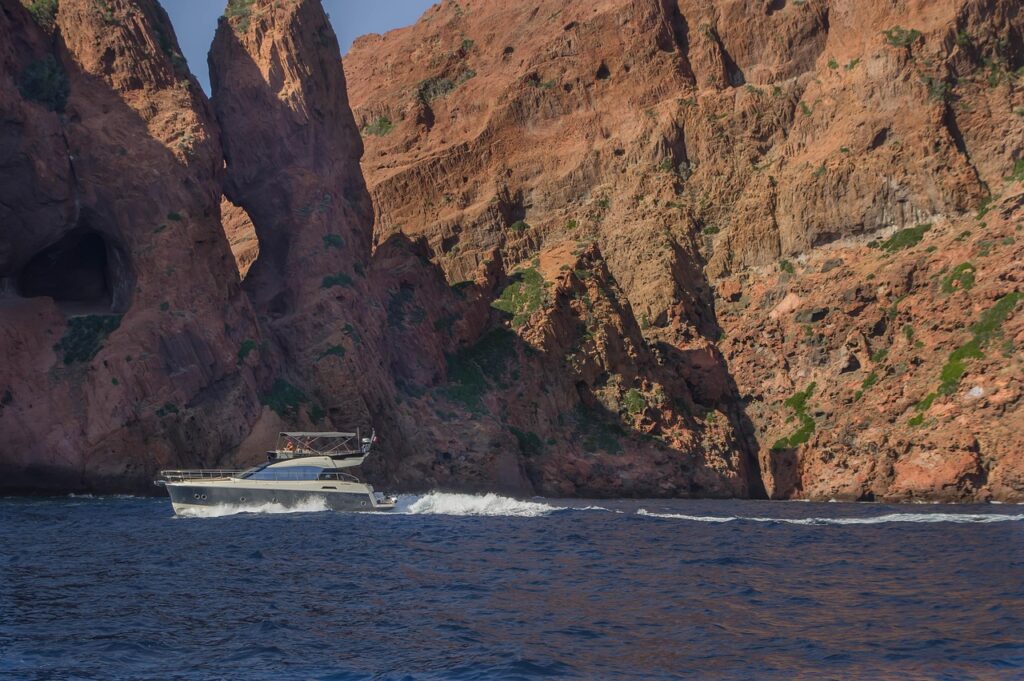
Coastal trails around Porto: the coastal path from Porto to the Genoese tower of Capo Rosso (Capu Rossu) is a classic. Start point: Parking Tour de Capo Rosso, D81, 20150 Ota/Porto. Distance: about 5 km round trip to the tower. Duration: 2 to 3 hours. Free. Hours: walkable all day but avoid the hottest hours in summer. Difficulty: moderate, with some steep sections. Avoid cliff-edge parts in strong winds.
Calvi to Île-Rousse: the coastal track between Calvi (Avenue Christophe Colomb, 20260 Calvi) and Île-Rousse (Place Paoli, 20220 L’Île-Rousse) includes stretches that are accessible and safe. Prefer the marked seaside paths or promenades along the beaches. Be aware: some coves between Île-Rousse and Algajola are private or reachable only via steep tracks — respect signs and private property.
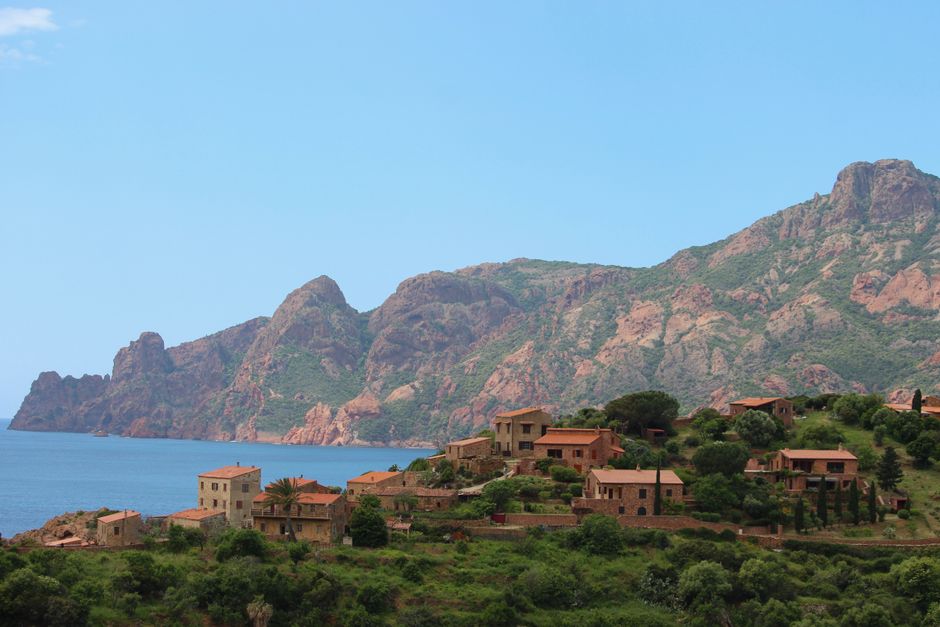
3) The wild south: Bonifacio and Lavezzi — access, rules and hazards to know
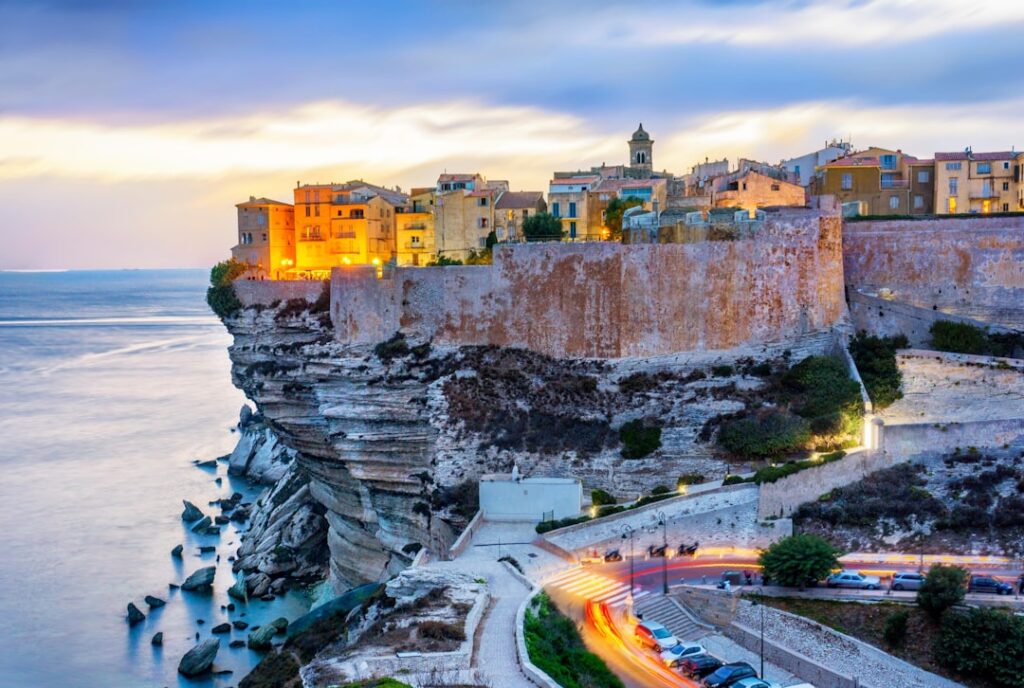
Southern Corsica, with Bonifacio and the Lavezzi archipelago, is among the island’s most spectacular — and most regulated — areas. Bonifacio’s chalky cliffs and the granite islets of the Lavezzi offer unforgettable views, sea caves and hidden beaches. However, access to some spots is controlled and hazards exist: strong currents, crumbly cliffs and heavy crowding in peak season.
Bonifacio — start point: Quai Fred Scamaroni, 20169 Bonifacio. Several companies run shuttles to the Lavezzi Islands from Bonifacio’s harbor. Example: Bateliers de Bonifacio, Quai Fred Scamaroni, 20169 Bonifacio — tel. +33 4 95 73 03 68. Fares: return shuttle to Lavezzi roughly €25–40 per adult depending on season and operator (2026 prices indicative). Timetable: morning departures from 8:30, return times staggered; summer demand is high, booking recommended. Regulations: landing is allowed only in designated areas; camping or fires are prohibited on certain islets. Reserve wardens may fine visitors who ignore rules.
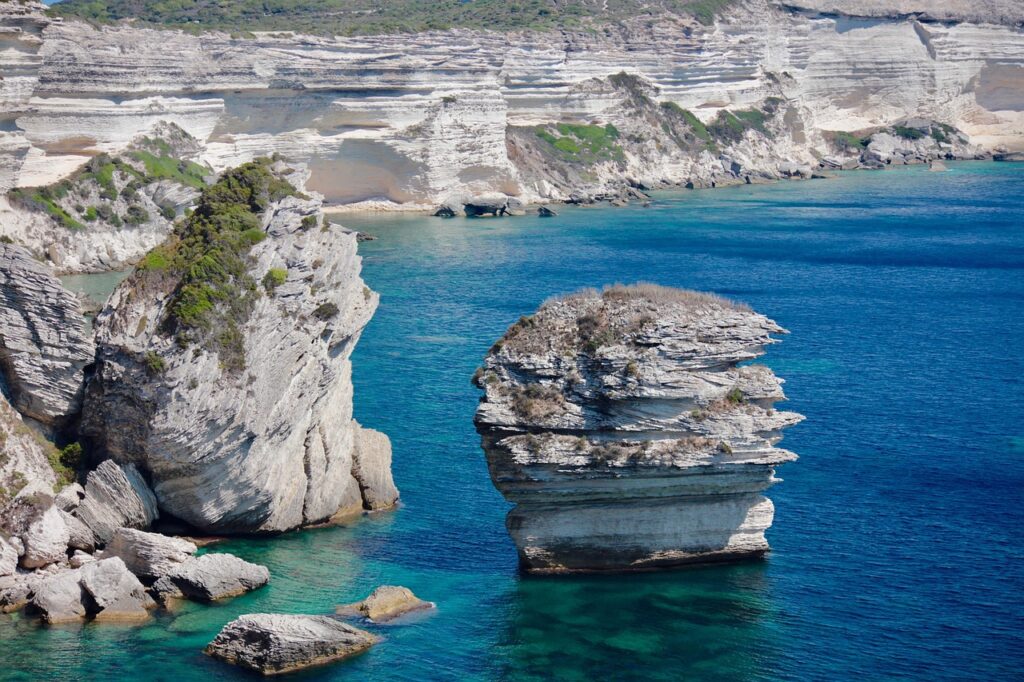
Trails in Bonifacio: the climb up to the cliffs from the Citadel (Rue Sampiero, 20169 Bonifacio) provides remarkable viewpoints. Stairs descending toward the southern cliffs can be steep; take care with children. Areas to avoid: the cliffs along the citadel’s southwest edge can crumble — do not approach the edge, especially after rain. Coves under the cliffs should not be reached by boat in bad weather due to powerful backwash.
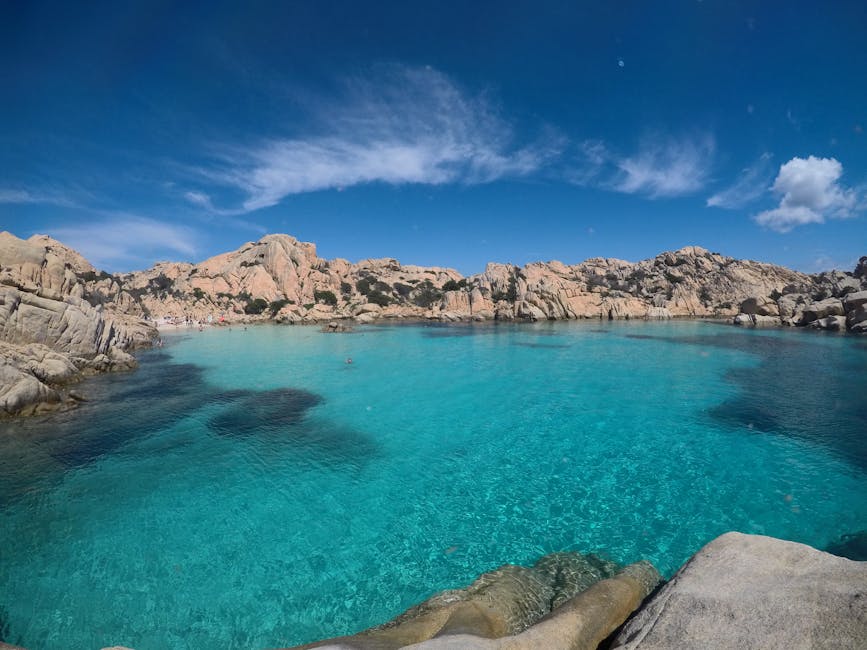
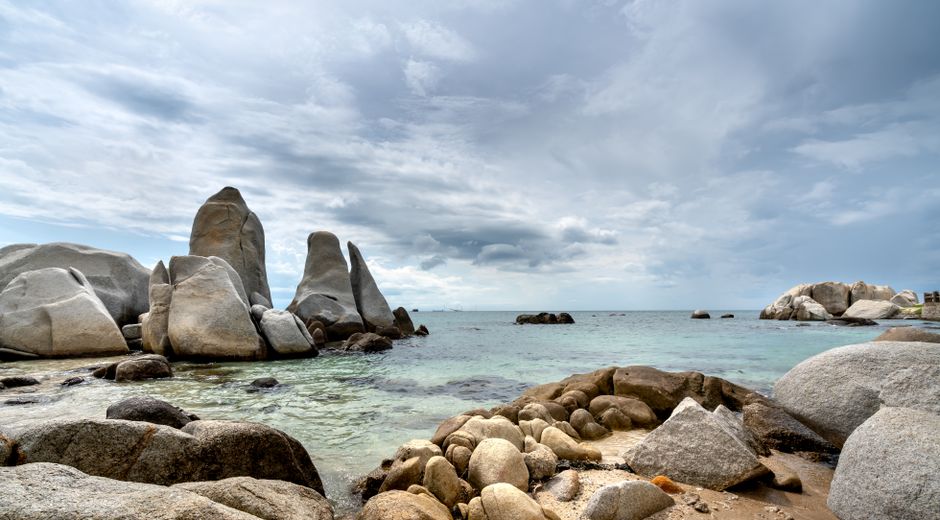
Lavezzi archipelago: white granite islands, crystal-clear water, short marked trails. Land at the main landing spot on Île Lavezzi. There are no permanent shops; bring water and food. Recommended time: mornings to beat the crowds. Swimming is excellent but watch for local currents and rocky seabeds. Strictly respect nesting areas and anchoring bans in certain bays.
4) The Ajaccio and southwest coast: from Porto-Vecchio to Ajaccio — beaches, headlands and practical advice
The southwest coastline includes famous beaches (Palombaggia, Santa Giulia), exposed headlands (Capo di Feno) and coastal trails near Ajaccio. These spots attract many visitors; safety often comes down to common sense, weather awareness and following local rules.
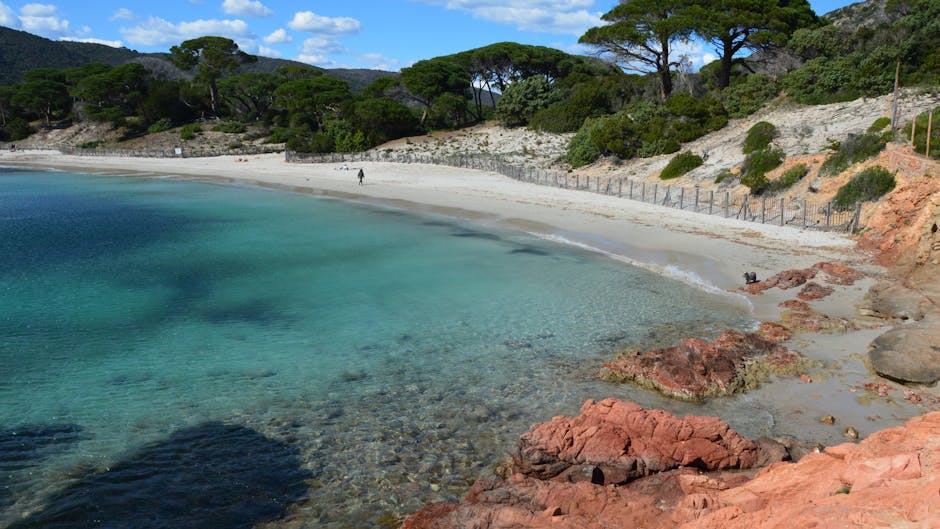
Palombaggia beach: main access at Parking Plage de Palombaggia, Route de Palombaggia, 20137 Porto-Vecchio. Walking access is free but parking is paid in season — municipal parking around €6–10 per hour depending on location in high season (indicative 2026 rates). Hours: beach open all day, but lifeguard coverage varies by season (usually lifeguards in July–August). Note: supervised swimming areas are limited; obey flags and lifeguard instructions.
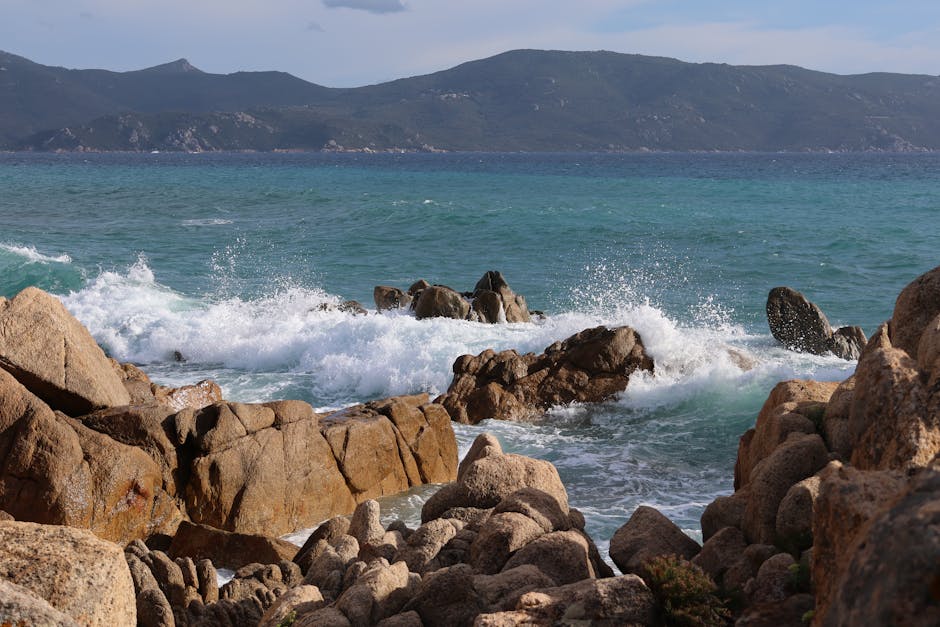
Capo di Feno (Ajaccio): for more adventurous walkers, paths around Capo di Feno offer wild views. Access: Parking de la Plage de Capo di Feno, Route de la Parata, 20000 Ajaccio (general coordinates). Difficulty: stony, exposed sections, not recommended for families without experience. In strong swell or westerly winds, avoid walking on the rocks: waves can break over headlands. No permanent surveillance; bring enough water and a way to communicate.
Porto-Vecchio — coastal trails: the Pointe de la Chiappa features an easy marked path with views of the Cerbicales islands. Start point: Plage de Saint-Cyprien, Route de Palombaggia, 20137 Porto-Vecchio. Duration: 1 to 2 hours depending on stops. Free. Best times: early morning or late afternoon. In summer, some access roads are congested; plan to park on the outskirts and walk in.
Areas to avoid: isolated coves without easy access or supervision are riskier if something goes wrong. Unofficial parking lots and steep descents to private beaches can lead to conflicts with landowners — respect signage and public paths. Also, swimming off headlands in strong winds carries significant risk — better to skip it if the sea is rough.
5) Protected areas and regulated zones: where to go, how to comply and what to avoid
Corsica has several marine and coastal nature reserves with regulated access to protect biodiversity. Coastal routes that cross or border these reserves require respectful behavior and sometimes prior arrangements (boat bookings, adherence to time windows, temporary closures).
Scandola Nature Reserve: main access from Porto, Quai de la Marine, 20150 Porto. The reserve is a listed site and approaching by boat is tightly regulated; authorised boats must keep minimum distances and landing is forbidden outside designated zones. Fines can exceed €150 for simple infractions and reach several thousand euros for proven damage. Hours: excursions typically run from 9:00 to 17:00 in season; book ahead. Tip: take a guided tour to learn about the ecology and ensure you follow the rules.
Lavezzi Islands Nature Reserve: provisioning and landings are regulated from Bonifacio, Quai Fred Scamaroni, 20169 Bonifacio. The archipelago includes nesting zones to protect in spring — some areas are off-limits during breeding season. Respect signs and markers; carry out all your rubbish (zero-waste policy). Wardens and local authorities can fine on the spot for violations.
Areas to avoid:
- Coastal sections that are private or restricted (e.g. estates around villas between Porto-Vecchio and Bonifacio) — avoid entering without permission.
- Unstable cliffs after heavy rain (notably around Bonifacio and Piana) — do not get close to edges and respect fences.
- Marine protected zones where anchoring is forbidden (Scandola, certain sectors around the Lavezzi) — violating these rules can lead to financial penalties.
Practical tips for visiting reserves: check schedules and conditions with local tourist offices before you set out (Porto Tourist Office, Place François Colonna, 20150 Porto — tel. +33 4 95 26 01 95; Bonifacio Tourist Office, Quai Fred Scamaroni, 20169 Bonifacio — tel. +33 4 95 73 11 66). Carry a paper map or an offline GPS app (e.g. Maps.me or Komoot) since mobile coverage can be limited. Respect wildlife, do not pick plants or disturb birds, and keep noise to a minimum to preserve habitats.
Conclusion — Plan, respect, enjoy safely
Corsica offers coastal walkers unforgettable experiences: wild panoramas, turquoise waters, wind-sculpted cliffs and remarkable biodiversity. To make the most of these landscapes, preparation is essential. Choose routes that match your level, check weather and sea conditions, respect reserve hours and rules, and bring the right gear: appropriate footwear, enough water, sun protection, a paper map or offline GPS, a charged phone and a small first-aid kit. Emergency number across France is 112 for urgent assistance; for mountain or coastal rescues contact the local gendarmerie or the PGHM if necessary.
Favor walks early in the morning or late in the afternoon for milder temperatures and ideal light for photography. Book boat trips to Scandola or Lavezzi through reputable operators and take note of departure addresses and times (Quai de la Marine, 20150 Porto for Scandola; Quai Fred Scamaroni, 20169 Bonifacio for Lavezzi). Avoid areas marked as dangerous: unstable cliffs, isolated coves without easy access, marine protected zones where anchoring is forbidden, and private sectors without authorization. Above all, respect nature: take your rubbish with you, don’t disturb wildlife and follow the orders of reserve wardens and posted signs.
If you follow these tips, your coastal walks in Corsica will be both safe and full of discovery. The island deserves to be explored with patience and care; by acting responsibly you help preserve these sublime shorelines for future generations. Safe travels, and may your walks reveal the very best of Corsica’s coastal beauty.