





Introduction — Beaches, Mountains & Hilltop Villages: Your Guide to Corsica’s Must-See Spots
Corsica, the Isle of Beauty, packs Mediterranean shores and alpine heights into one compact island where powdery beaches sit shoulder-to-shoulder with rugged mountains and perched villages full of character. This general guide gives you a practical, big-picture view of the island’s top sites—with precise addresses, opening hours, prices in euros and local tips to help you make the most of your trip. Whether you’re after lazy beach days, challenging hikes, photography hotspots or cultural curiosities, Corsica’s diversity has something for everyone: turquoise lagoons and hidden coves, dizzying mountain passes and historic trails, stone-lined hamlets and bustling markets. Below we detail emblematic beaches, must-do mountain ranges and villages steeped in history, plus the practical info you need to plan your visit.
Exploring Corsica is often about choosing the right route. Do you want to follow the west coast from Calvi down to the calanques at Porto, or head inland to discover Corte and the Restonica valley? Maybe you’re dreaming of crossing the island on the famed GR20, or stopping for tasty market finds in Sartène, Ajaccio or Bonifacio. The sections below are designed to give you immediate bearings: exact addresses (parking spots, information points), opening hours for sites and museums, indicative prices (entrance fees, boat transfers, parking), and immersive descriptions to help you picture each place and pick what appeals most.
Practical details often make the difference on a day out: lifeguard hours on a monitored beach, departure times and meeting points for boat trips to nature reserves, shuttle or parking costs, and the least-busy times to visit a village in peace. This guide also includes local tips—best times for photography light, which trails to favor off-season, where to sample Corsican specialties after a hike—so your trip is both rich and comfortable. Pack your hiking boots, swimsuit and curiosity: Corsica has a lot to offer.
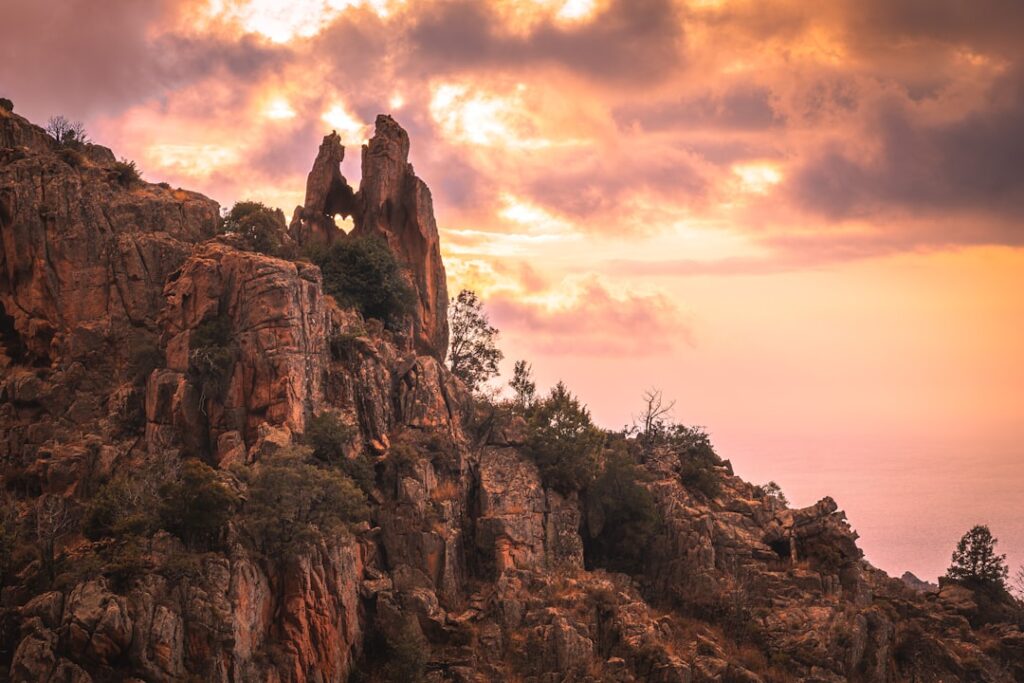
Iconic Beaches: From Powdery Sand to Secret Coves
Corsica is home to world-famous beaches and remote coves reachable only on foot or by boat. Here’s a curated selection of major beaches with addresses, opening times and indicative prices, plus tips on how to avoid the busiest moments.
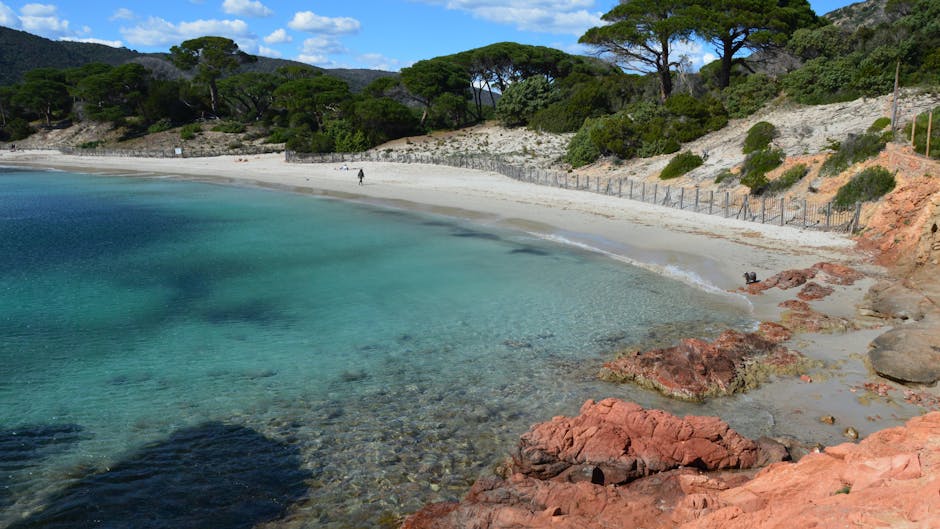
Palombaggia Beach — Porto-Vecchio
Address: Palombaggia Beach, 20137 Porto-Vecchio, Corse-du-Sud
Opening hours: Public beach, open 24/7; summertime lifeguard service usually from 9:00 to 19:00 (July–August).
Prices: Beach access is free; paid municipal parking roughly €3–€6 per day depending on season. Sunbed and parasol rentals about €12–€25/day depending on setup.
Description: Palombaggia is famed for its deep blue waters, white sand and umbrella pines that create natural shady spots. The coastline stretches for kilometers and is made up of small bays divided by rocky outcrops. Swimming is generally calm and family-friendly, though afternoons can be windy (mistral/easterly winds)—bring a light windbreaker. To beat the crowds, arrive early (before 9:30) or late afternoon. Nearby parking (P1, P2) fills up fast in high season.
Saleccia Beach — Désert des Agriates (boat or 4×4 access)
Address: Saleccia Beach, 20220 Saint-Florent, Haute-Corse (access from Saint-Florent by boat or D81 + track)
Opening hours: Open 24/7; boat shuttles from the port of Saint-Florent run frequently from April to October (times vary—check local operators).
Prices: Saint-Florent – Saleccia boat shuttle: around €20–€35 return per person (season and operator dependent). 4×4 hire with driver from Saint-Florent roughly €90–€150 for a half-day, depending on vehicle and distance. Parking in Saint-Florent: free or paid depending on location.
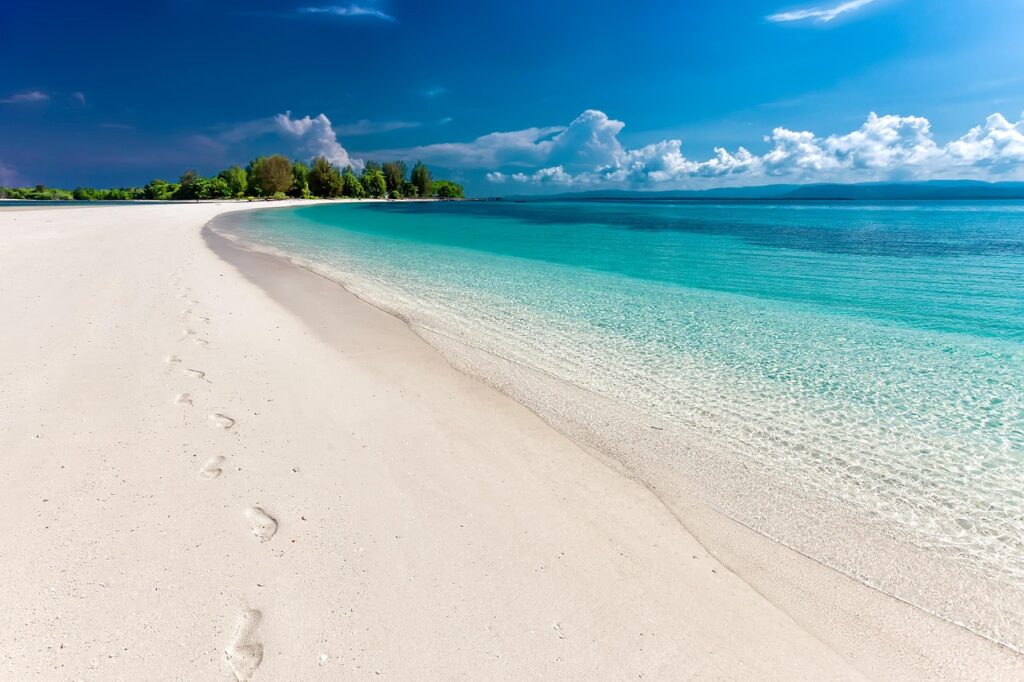
Description: Saleccia is a stretch of pristine sand washed by crystal-clear water, set in the wild Désert des Agriates. Its relative isolation makes it a peaceful spot, popular with naturists and nature lovers. The boat approach offers stunning sea views of cliffs and nearby islets. There are minimal facilities on site—bring water, food and sun protection. Leave no trace—the conservation of this area is essential.
Rondinara Beach — Bonifacio
Address: Rondinara Beach, 20169 Bonifacio, Corse-du-Sud
Opening hours: Open 24/7; lifeguard service in summer from 9:00 to 18:00. Parking generally open from 8:00 to 20:00.
Prices: Paid parking €4–€8 per day in high season; kayak and paddleboard rentals about €15–€30/hour.
Description: The shell-shaped bay of Rondinara is sheltered and perfect for families. Shallow waters are great for kids and for paddling activities. Its proximity to Bonifacio makes it an ideal stop on a southern island circuit. At golden hour the light makes the bay especially photogenic.
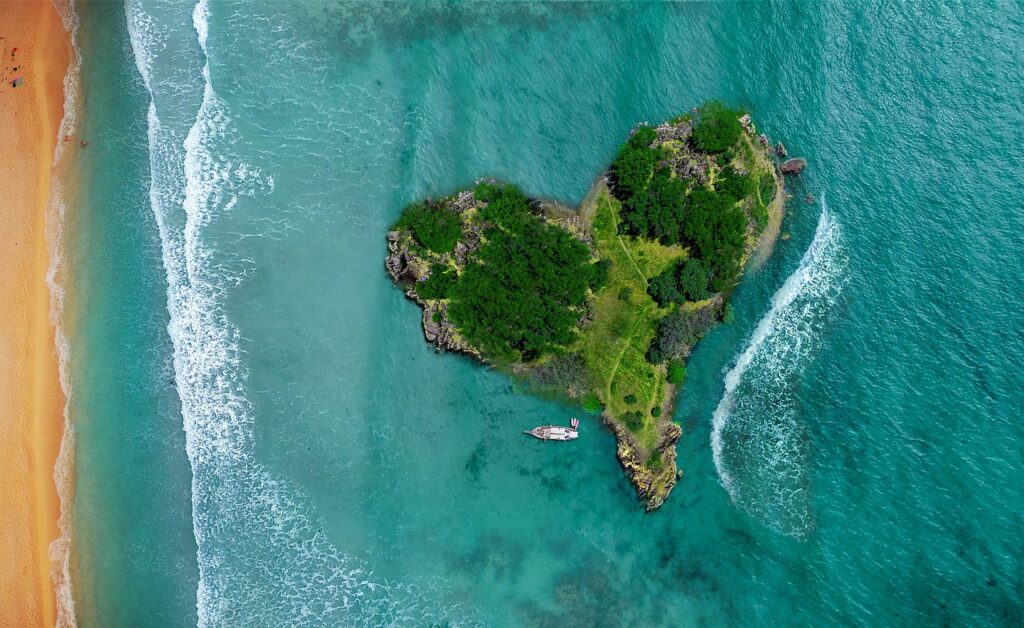
Mountain Ranges & Hikes: Corsican Peaks and Wide Vistas
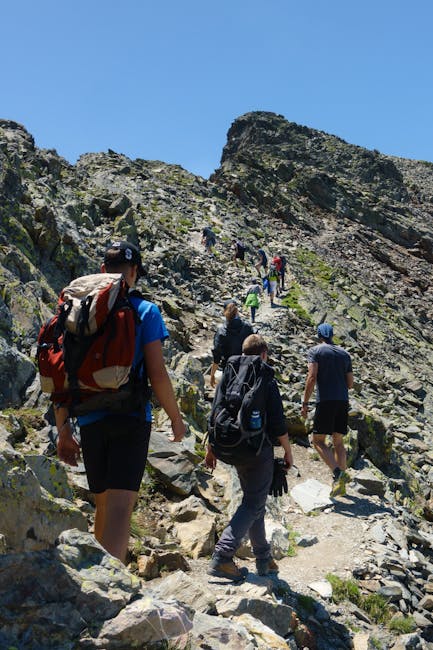
Corsica’s mountains are playgrounds for hikers, climbers and lovers of wild landscapes. Trails range from easy walks to technical routes like the GR20. Below are the island’s key massifs with practical info, refuges, prices and safety advice.
Parc naturel régional de Corse and the GR20
Address (information office): Parc naturel régional de Corse, Maison du Parc, Route de Vico, 20160 Vico (main office)
Info office hours: May to October 9:00–18:00; off-season hours vary (closed some days).
Prices: Park entry is free. Guided crossings and refuge accommodation vary: refuge nights on the GR20 roughly €20–€70 depending on services (dormitory, half-board). Maps and guidebooks €10–€25.
Description: The GR20 is considered one of Europe’s toughest long-distance trails. It crosses the island from north to south over about 180 km, linking Calenzana to Conca. Daily stages typically last 5 to 10 hours with significant elevation changes. To hike safely, book refuges well in advance (especially in July/August) and carry the right gear (mountain boots, waterproof jacket, provisions). Refuges (e.g. Refuge d’Usciolu, Refuge de Tighjettu) often require reservations via the Park’s site or by phone. Easier alternatives include circuits around the Restonica and Asco valleys.
Restonica Valley and Corte
Address: Restonica Valley, 20250 Corte, Haute-Corse (access from Corte via D623)
Opening hours: Open 24/7; paid parking in the village and trailheads usually 8:00–19:00 in season (rates €2–€5/day depending on site).
Prices: Parking about €2–€5/day; summer shuttle (if available) Corte – Restonica around €5–€10 per trip.
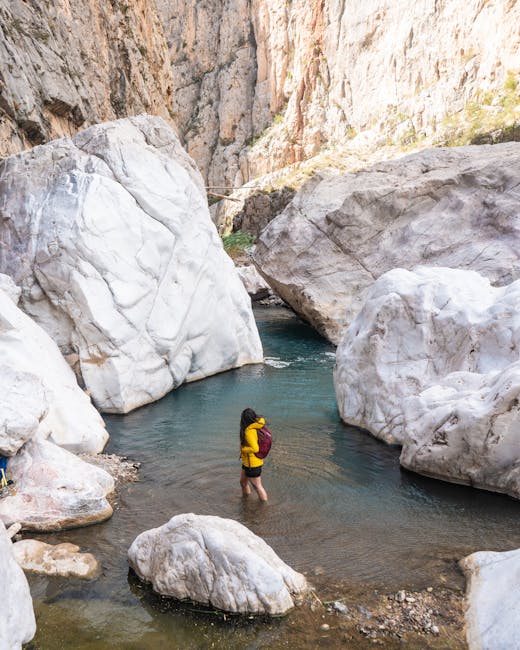
Description: Just a few kilometers from Corte, the Restonica Valley provides natural pools (Melo and Capitello) and breathtaking alpine scenery. Trails are well marked and suit both families (walk to the pools) and experienced hikers (ascents to glacial lakes). The Restonica river carves clear basins perfect for a post-hike swim. Visit early morning or late afternoon to avoid peak crowds and enjoy soft photography light.
Monte Cinto Massif and Mountain Routes
Address: Monte Cinto (highest peak), access via local roads from Calacuccia (D84) or Haut-Asco (20224 Haut-Asco)
Opening hours: Open access; refuges open seasonally (check before setting out).
Prices: No access fees. Refuge nights about €20–€60 depending on refuge and services (half-board included or not).
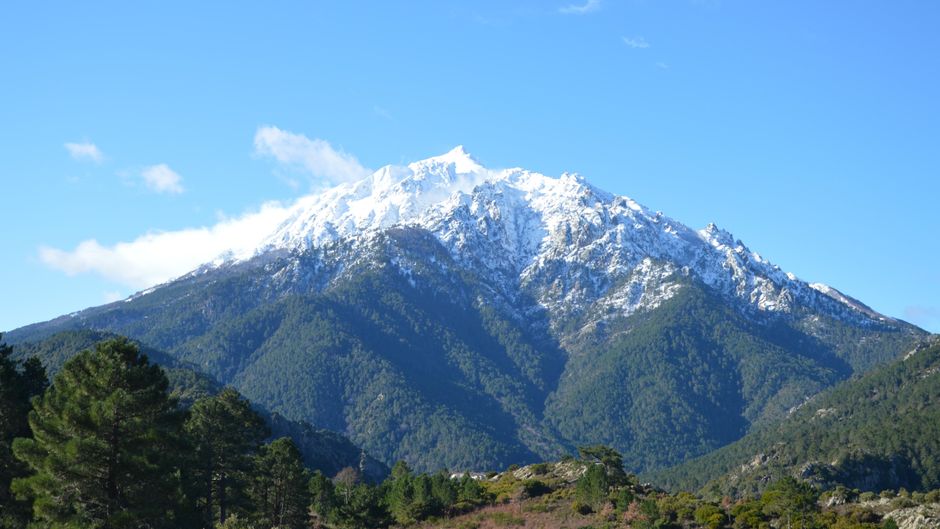
Description: Monte Cinto (2,706 m) is Corsica’s roof. Routes to the ridges demand mountain experience and careful preparation: route descriptions, maps, appropriate gear and possibly crampons out of season. Mountain villages like Calacuccia serve as bases for high-altitude excursions. The variety of plant life, tumbling streams and sea views from some summits make Corsican summer pastures truly special. Check local weather (especially in shoulder seasons) and consult tourist offices before any ascent.
Villages & Heritage: Alleys, Citadels and Local Markets
Corsican villages tell the island’s story: shady squares, baroque churches, stone houses and markets where charcuterie and cheeses are savored. Here are essential stops for anyone wanting to understand Corsica through its buildings and its people.
Bonifacio — the Citadel and Cliffs
Address: Bonifacio Citadel, Rue Notre-Dame de la Madelène, 20169 Bonifacio, Corse-du-Sud
Opening hours: Ramparts and funicular usually open 9:00–19:00 (hours vary by season). Guided tours and local museums have variable hours, often 10:00–18:00 in summer.
Prices: Access to the ramparts is free; Bonifacio funicular (up/down) about €1–€2 per trip; boat tours to cliffs and caves €20–€45 per person depending on duration.
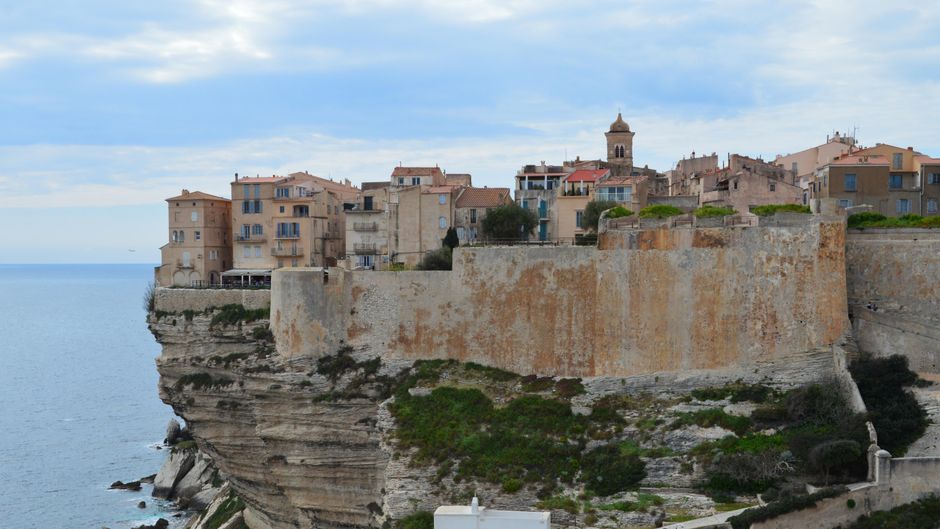
Description: Perched on sheer limestone cliffs, Bonifacio is one of Corsica’s most iconic scenes. Houses appear to hang above the Mediterranean and the citadel offers panoramic views of the Lavezzi islands. Wander the cobbled lanes, visit Sainte-Marie-Majeure church and head down to the harbor for boat trips to the sea caves. The site is extremely busy in July–August: aim for dawn or dusk for photos with fewer people.
Corte — historic heart and the University of Corsica
Address: Place Gaffory, 20250 Corte, Haute-Corse (historic center)
Opening hours: Public monuments and museums (Musée de la Corse): generally 10:00–18:00 in high season. Tourist office: Place Paoli 9:00–17:00 (hours may vary).
Prices: Musée de la Corse (A Sampiera or Musée de la Corse depending on site): entry about €5–€7; guided tours and themed circuits vary.
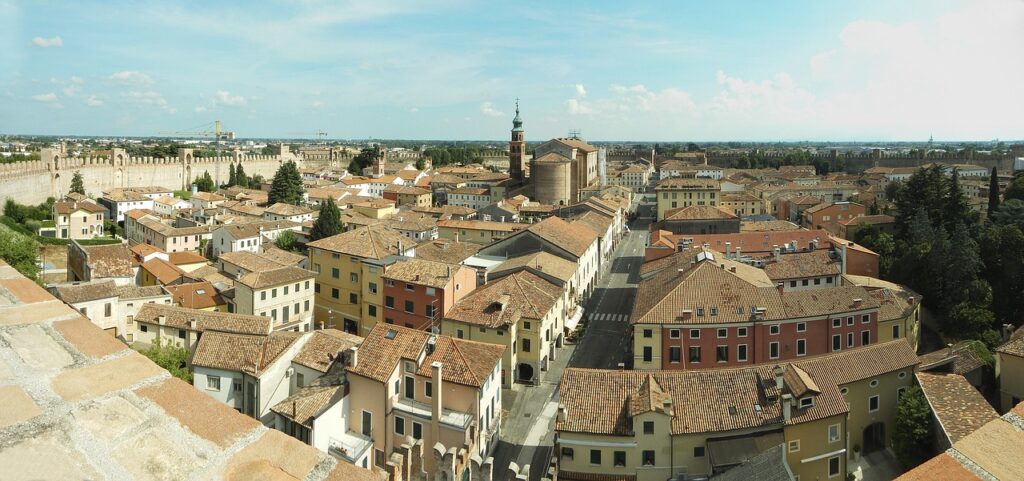
Description: Corte is the historic heart of Corsican identity and features a town dominated by a medieval citadel. Its student population gives the town a lively cultural scene: concerts, exhibitions and markets. Nearby, the Restonica valley and hiking trails offer mountain scenery within a short trip from town. Don’t miss the citadel terrace for sweeping views of the surrounding peaks.
Sartène and its Medieval Lanes
Address: Sartène historic center, Place de la Paix, 20100 Sartène, Corse-du-Sud
Opening hours: Shops and tourist offices: 9:00–12:30 and 15:00–19:00 (seasonal hours). Local market usually in the morning, often on Tuesdays and Saturdays depending on season.
Prices: Access to old Sartène is free; tastings and local products vary: charcuterie about €12–€20/kg, Corsican cheeses €20–€35/kg depending on aging.
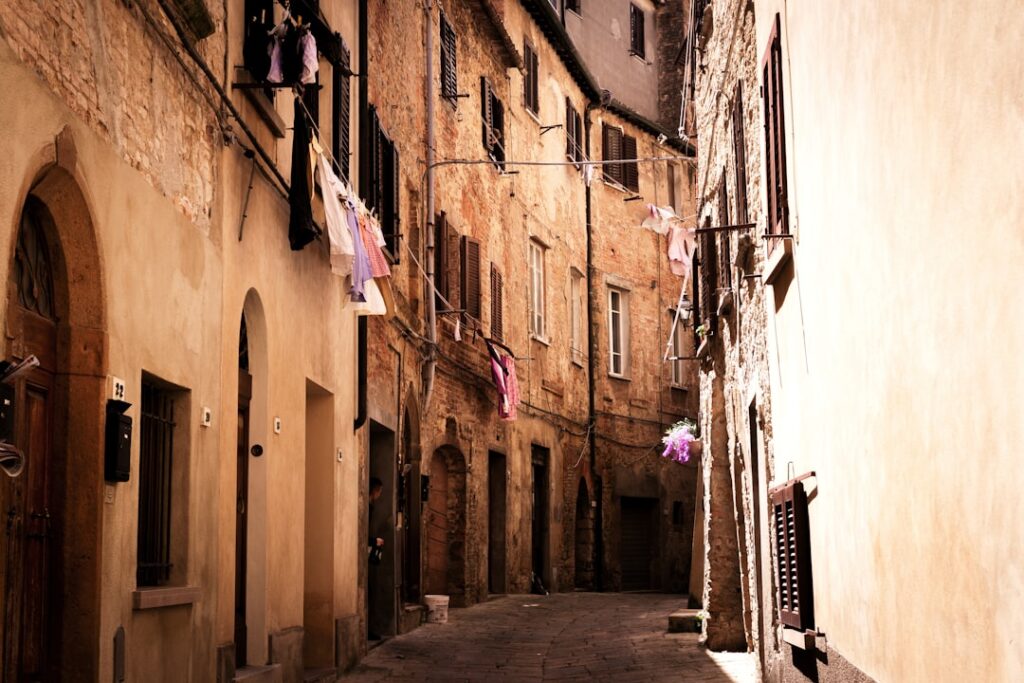
Description: Often described as one of the most Corsican of Corsican villages, Sartène charms with twisting lanes and religious and civil heritage. The market is the village’s living core—pick up figatellu, prisuttu, canistrelli and local cheeses. Shady cafés on the square are perfect for a break after visiting the departmental archaeology museum (hours vary).
Practical & Local Tips for a Great Stay
To get the most from Corsica, a few practical tips go a long way. First, a car is often essential: distances add up and public transport is limited outside main towns. Renting a compact car (roughly €30–€70/day depending on season and category) makes it easier to reach secluded beaches and mountain villages. Book ahead in high season to avoid shortages.
Second, mountain weather changes quickly: bring rainwear, a windproof jacket, sturdy boots and a headlamp in case you’re out after dark. For long hikes, leave your route details with your hotel or the tourist office and try to start early to avoid the midday heat.
Third, for food, favor local produce: markets, small producers, cheesemakers and artisanal charcuterie. Indicative prices: a bistro starter €6–€12, main course €12–€25, midday set menu around €15–€25. Try Corsican specialties: veal with herbs, figatellu, brocciu, canistrelli and local wines (Patrimonio, Ajaccio, Sartène).
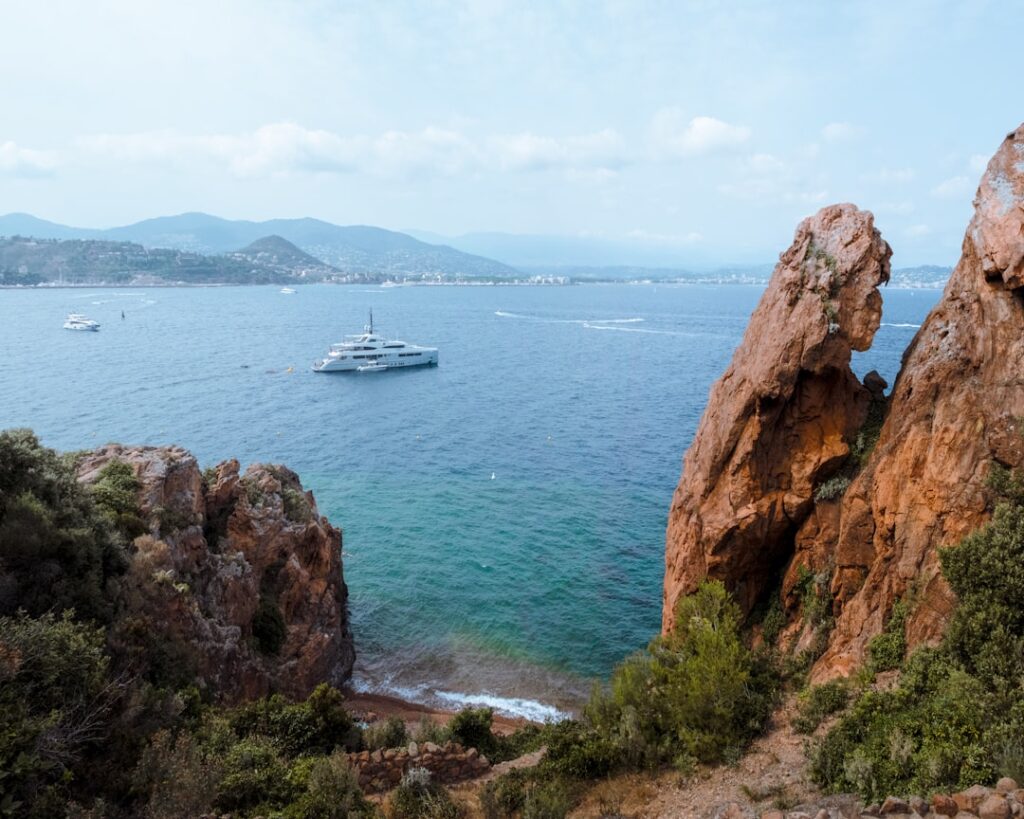
Finally, respect the environment: protected areas (Scandola Reserve, Parc naturel régional de Corse) require sticking to marked paths and camping only in authorized zones. For boat trips (Calanques de Piana, Scandola Reserve), check local operators—departures from Porto or Ajaccio—indicative prices €30–€60 per person for 2–4 hour outings. Book before high season.
Conclusion — Between Sea, Rock and Stone: Experience Corsica Fully
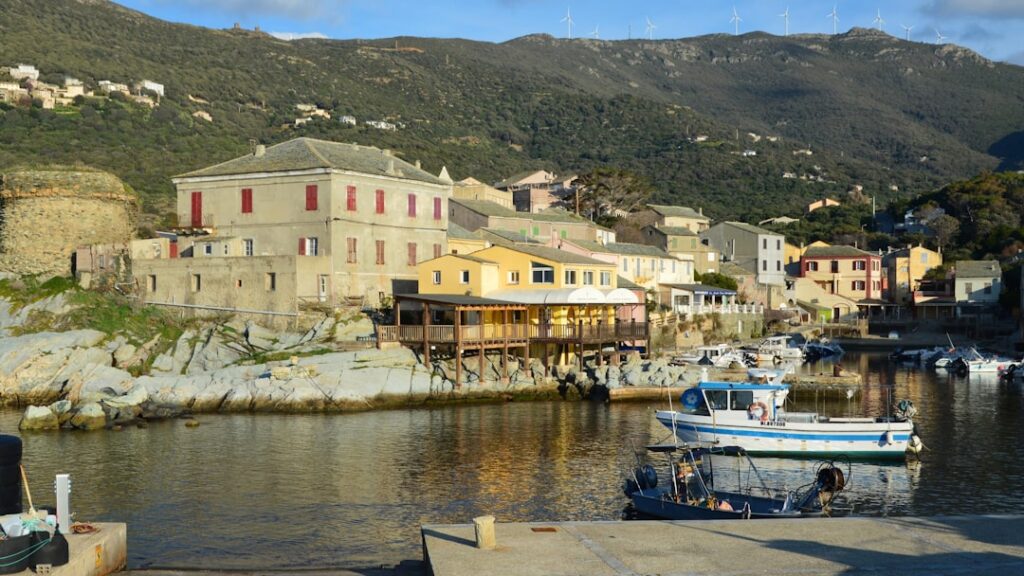
Corsica offers a unique mix: immaculate beaches, wild mountain ranges, characterful villages and a living culture. This guide highlights emblematic places—Palombaggia, Saleccia, Rondinara, the Restonica, the GR20, Bonifacio, Corte and Sartène—complete with addresses, opening hours and prices to help you plan. But beyond names and coordinates, a great trip to Corsica often comes down to patience and curiosity: lingering over a coffee in a shaded square, swimming in a mountain basin, or chatting with a local producer.
When planning your route, consider these points: season (high season July–August = busy, bookings essential), weather (especially in the mountains), transport (car recommended), and environmental respect (protected sites, take your rubbish). Book boat trips to the Scandola Reserve or the Calanques de Piana in advance, reserve refuges if tackling the GR20, and arrive early to enjoy the most famous beaches without the crowds. And leave room for surprises: the best discoveries often come from a side road, a small path or a local market that reveals an authentic side of the island.
In short, Corsica is an island of many faces—Mediterranean, mountainous, historic and gastronomic. Every visitor will find a reason to return: a sunset on Bonifacio’s cliffs, a dip in Palombaggia’s turquoise waters, a climb up Monte Cinto, or a wander through Corte’s lanes. Pack your maps, book the essentials, but keep space for spontaneity—that’s where the best memories lie. Enjoy your discovery and happy hiking—take a breath, Corsica is waiting for you.