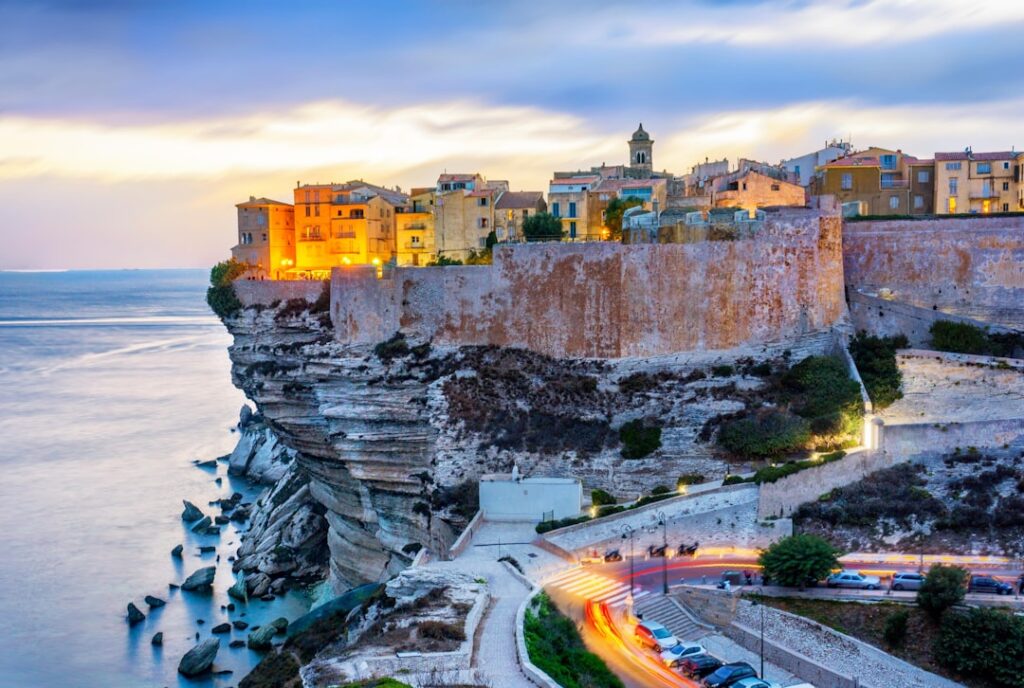






Introduction — Why this Bonifacio to Calvi discovery route?
Corsica is often called an island of contrasts: jagged coasts, steep mountains, perched villages, soft sandy beaches, and scenic roads where every bend reveals another breathtaking view. The route I’m suggesting here, from Bonifacio to Calvi in 7 steps, is designed as a gradual, coherent crossing of those contrasts. You’ll start at Bonifacio in the far south — famous for its limestone cliffs and natural harbor — and make your way to Calvi’s citadel in the northwest, passing wild shores, secret gulfs, medieval villages and mountain panoramas along the way.
This itinerary is a practical, general guide for independent travelers: it mixes must-see sites, food stops, boat trips and activity suggestions. It includes specific addresses, opening times, indicative prices in euros and local tips. It works just as well for drivers who want the freedom of the road as for people who prefer organized excursions. Each stop is planned to fit into half a day to a full day depending on your pace.
Why begin in Bonifacio? Because with its citadel perched above the sea and a port carved by the winds, Bonifacio is the perfect starting point: you’ll find the island’s essence there — history, sea and unique karst landscapes. Why end in Calvi? Calvi blends beach life, culture and a Genoese past; the town also offers practical connections inland and abroad via Calvi–Sainte-Catherine airport.
The route emphasizes variety: boat trips to the Lavezzi islands, coastal hikes, tastings of local products (goat cheese, charcuterie, honey), visits to inland villages (Sartène, Propriano, Piana, Porto) and the ascent into the Balagne region, known for hilltop villages like Sant’Antonino and Pigna before reaching Calvi. The suggested activities account for seasons and opening hours, and the prices listed are recent estimates to help you budget your trip.
This guide is organized into 7 numbered steps that are easy to follow in order or adapt to your preferences. It also contains practical tips: where to park, how to avoid summer crowds, which excursions to book in advance, and safety advice for enjoying Corsican coves and trails. Addresses are current as of writing; still, double-check seasonal schedules (high season often changes opening hours between May and September).
Finally, read each section as an immersive snapshot: sensory descriptions, local recommendations (where to find the best table or the least crowded cove), and practical pointers (prices, opening times, addresses) so your Bonifacio-to-Calvi trip becomes a full, safe and unforgettable experience.
1. Step 1 — Bonifacio: the citadel, the harbor and the white cliffs (half-day to full day)
Start your route in Corsica’s southernmost town: Bonifacio. The first impression is striking: the Genoese citadel overlooks the Mediterranean, houses clinging to limestone cliffs. The central place to begin is the Citadel of Bonifacio, located on Rue Jean-Paul de Rocca Serra, 20169 Bonifacio. Pedestrian access is from the lower port via the stairs or by climbing up from the Bastion through Rue Fred Scamaroni.
Hours and prices: opening times for the citadel and small museums change with the season. Generally, the Citadel grounds are freely accessible 24/7 for outdoor visits; the Municipal Museum (Musée de Bonifacio) is typically open about 10:00–18:00 in season (May–September). Indicative museum prices: €4.50/adult, €2.50/child. Guided tours of the citadel by a local guide usually cost between €10 and €18 per person (lasting 1–1.5 hours).
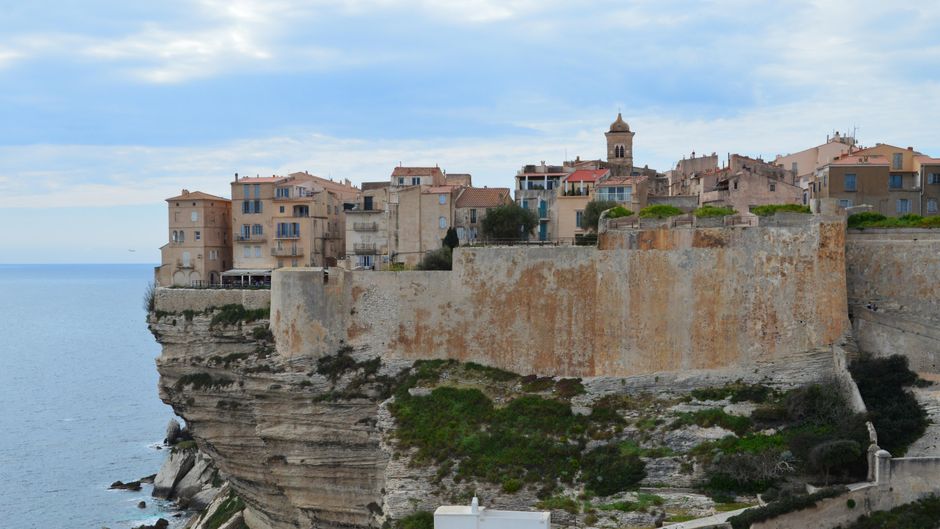
Don’t miss: the Sdragonato Cave (reachable by boat from the harbor), the Cliffs of Bonifacio and climbing up to the Bastion esplanade for panoramic views. Boat departures to the Lavezzi islands leave from the Port of Bonifacio, address Quai Pascal Paoli, 20169 Bonifacio. Expect about €25–45 per person for trips lasting 1.5 to 4 hours depending on the itinerary and inclusions (snorkeling, guide). Popular companies: Compagnie maritime Lavezzi and Navette Marine Bonifacio, with schedules varying by tide (mornings 9:00–12:00, afternoons 13:30–17:00).
Local tip: avoid visiting the citadel in the mid-afternoon during summer when cruise ship visitors disembark; aim for early morning (8:30–10:30) for crowd-free photos and soft light. For lunch, try Restaurant U Capu Biancu, 6 Rue du Marché, 20169 Bonifacio: traditional Corsican dishes (main courses €14–28, Piedmontese salad €10). On a tighter budget, the covered market (Place de l’Eglise) sells local charcuterie and cheeses (brocciu priced about €8–12 depending on the producer).
Parking: the main lot is the Port Parking, Quai Pascal Paoli, 20169 Bonifacio. Approximate rates: €2–3/hour in high season, daily rate €15–20. If you’re traveling by campervan, designated areas are found at the town entrance (check municipal locations and fees).
2. Step 2 — The Lavezzi Islands and marine reserve (half-day)
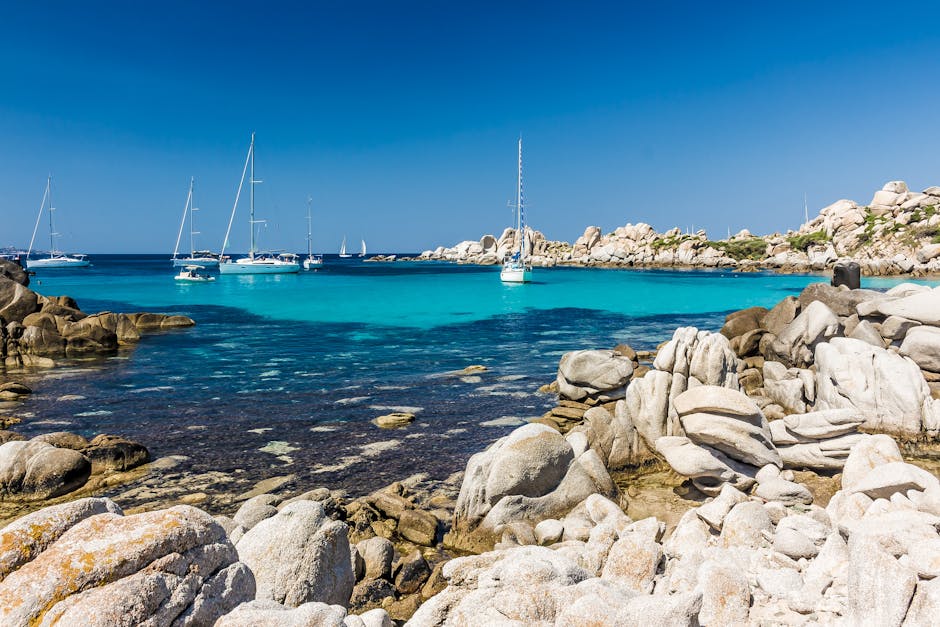
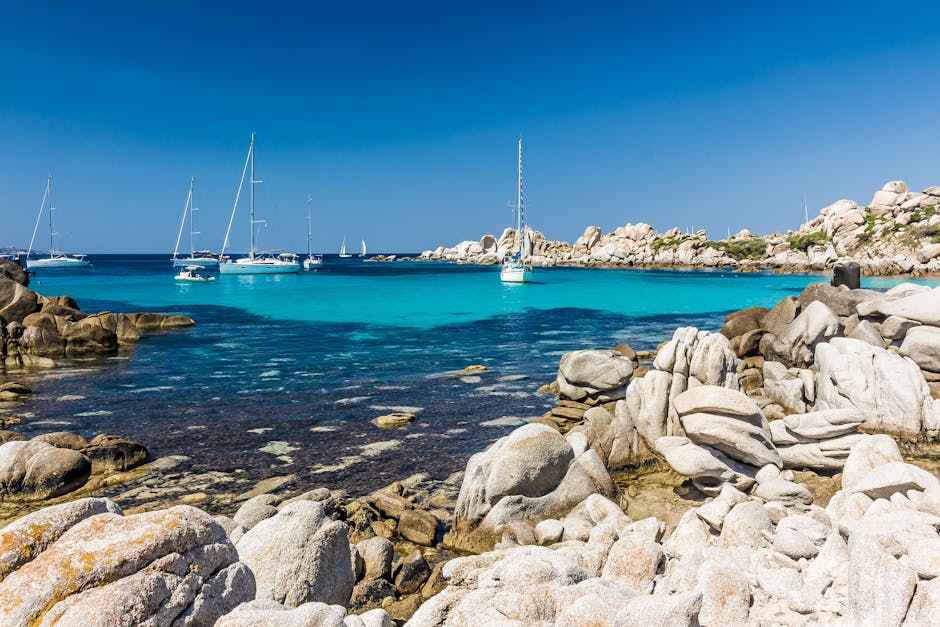
A short ferry ride from Bonifacio, the Lavezzi Islands are a natural must: a granite archipelago within a protected park where the shores have been sculpted by time. Departures are usually from the same port: Quai Pascal Paoli, 20169 Bonifacio. Crossing time is roughly 20–40 minutes depending on the boat. Operators run morning and afternoon departures; in high season book ahead.
Prices and schedules: standard trips range from €25 to €45 per adult (about €30 for a return shuttle, €45 for a guided snorkeling trip). Typical departure times: 9:00, 11:00, 14:30, 16:30 (subject to change). In summer, larger boats offer full-day circuits with lunch for €55–80 depending on inclusions.
On arrival, be ready to walk on unpaved trails; bring water (at least 1 L per person), a hat and sturdy beach sandals. The beach of Roccapina on the island’s southern side is known for its clear waters and posidonia meadows; snorkeling often reveals schools of fish and starfish. Swimming is generally safe, but please don’t touch protected wildlife or plants.
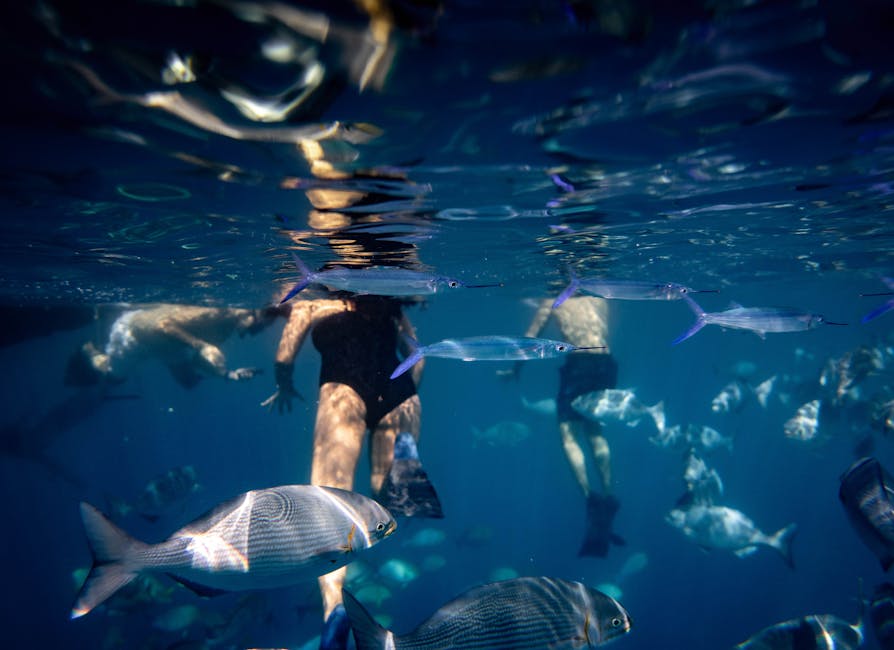
Vibe and scenery: Lavezzi’s wind- and sea-polished rocks form natural basins of turquoise water. The landscapes are great for photography (morning or late afternoon for warm light). Local beekeepers sometimes warn of bees around maquis shrubs in summer; respect the vegetation and never light fires.
Practical tip: carry cash (euros) to buy water or a snack on board; not all boats accept cards. If you want a flexible return, check the time of the last boat: rotations are limited in late afternoon (last ferry usually around 18:00–19:00 depending on season).
3. Step 3 — Toward Sartène and Propriano: inland and west coast (full day)
Leave Bonifacio heading west to reach Sartène, often called “the most Corsican of Corsican towns.” The central point is Place de la République, 20100 Sartène. The road toward Sartène takes you inland with views of mountains and olive groves.
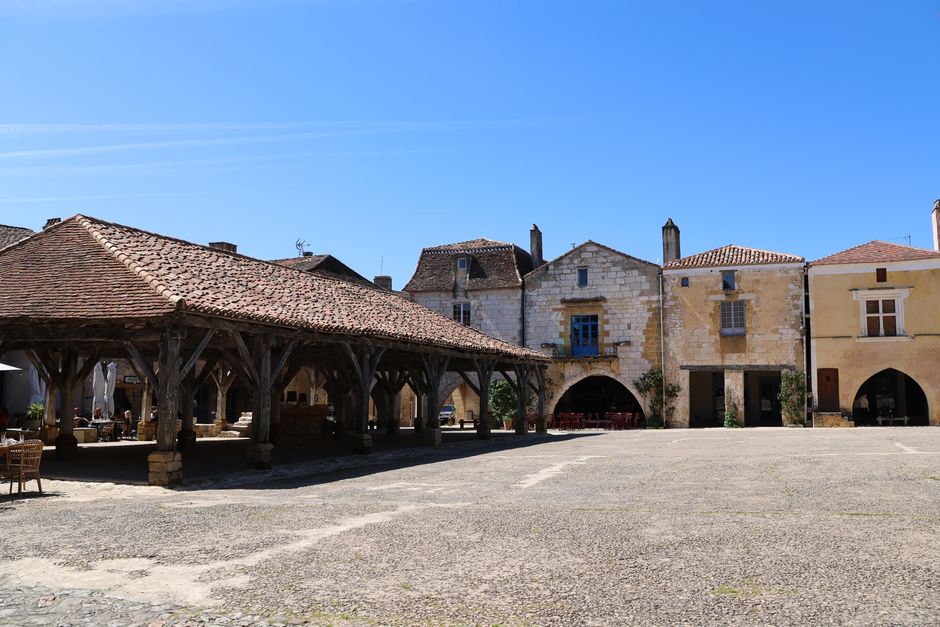
Sartène is worth exploring for its medieval lanes, churches and museum. The Museum of Corsican Prehistory (Place Porta, 20100 Sartène) displays local artifacts and contexts; opening times vary (generally 10:00–12:30 / 14:30–18:00 in season). Fee: about €3–5. For a rustic lunch, try Restaurant A Casetta, 3 Rue Fred Scamaroni, 20100 Sartène, which serves Corsican dishes (daily plate €14–18; figatellu €8–12).
After Sartène, continue to Propriano (Port of Propriano, Avenue du Port, 20110 Propriano). Propriano is a lively seaside resort with beaches, restaurants and a marina. It’s a great place for an afternoon swim after inland visits. Recommended beach: Saint-François Beach, free access, parking nearby (a few euros per hour).
Travel times: Bonifacio to Sartène ≈ 1h15 (40–55 km depending on route), Sartène to Propriano ≈ 30–45 minutes (20–25 km). Roads are winding but well maintained; drive carefully, especially near villages where streets narrow. If you have extra time, explore nearby sites: the prehistoric site of Cauria (standing stones and menhirs) is 15–20 minutes from Sartène and interesting for archaeology fans (indicative address: lieu-dit Cauria, 20100 Sartène; free access).
Budget tips: a mid-range restaurant meal (starter, main, dessert, a quarter bottle of wine) ≈ €25–40/person. Picnic options: local cheeses (brocciu €8–12), cured meats (prizuttu, lonzu €10–18 depending on weight), and fresh bread from the bakery.
4. Step 4 — The Seina Gorge coast and Piana/Porto (full day)
Leaving Propriano and heading northwest, the landscapes become both alpine and maritime. The next key stop is the spectacular area of Piana and Porto, listed by UNESCO as part of the Calanques of Piana, the Gulf of Porto and the Scandola Reserve. Administrative address for Piana: Piana Town Hall, Place du Général de Gaulle, 20115 Piana.
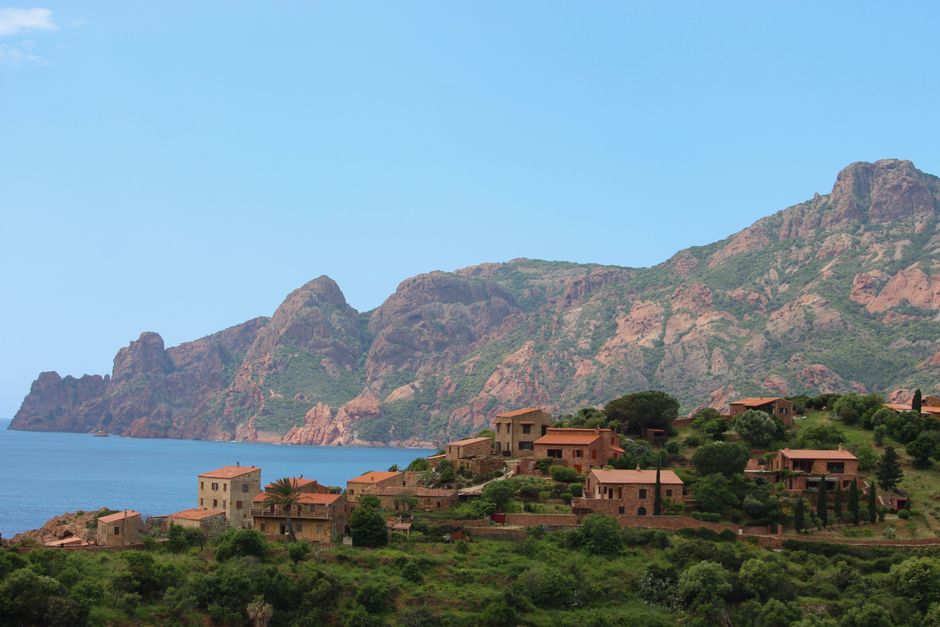
The Calanques of Piana showcase sharp red rock formations carved by erosion. Main viewpoints line the D81. For a deeper experience, take a boat from Porto (Porto Ota — Quai du Port, 20150 Porto) toward the Scandola Reserve. Boat trips cost between €30 and €60 per adult (half-day €35–45, full day €55–75); departures are frequent in high season (9:00–10:00, 11:30, 14:00).
Timetables and seats: boats often sell out in July–August, so reserve ahead. Navigation inside the reserve is regulated; follow instructions (keep distance from cliffs, no diving in restricted zones). Bring sunscreen, a hat, sunglasses, a water bottle and closed shoes if you plan to hike.
Don’t skip Ota (village near Porto) for a seafood lunch: Restaurant Le Belvédère, Route du Port, 20150 Ota, with seafood mains €18–32. After the boat trip, head up to the Parata Viewpoint for an overview of the gulf — free access and a fantastic sunset photo spot.
Local tip: the D81 between Cargèse and Porto is twisty and sometimes narrow; favor a compact car for a calmer drive and leave early to avoid the tourist traffic. Hikers will enjoy the Calanques trail (PR) offering incredible views — the Piana–Porto section takes about 3–4 hours round-trip depending on which viewpoints you pick.
5. Step 5 — The Scandola Reserve and Girolata (half-day)
The Scandola Reserve is an ecological and visual must: volcanic cliffs, sea caves and deep blue water. Access is only by boat (from Porto/Porto Ota). The tiny enclave of Girolata is reachable only by sea or via a remote footpath, giving it a wild, preserved charm.
Main excursions: departures from Porto — Quai du Port, 20150 Porto. Typical duration: 3–5 hours. Prices: €35–70 depending on duration and whether lunch is included. Timetable: morning departures around 9:00 and afternoon departures around 14:00 (seasonal). Companies usually stop for swimming and snorkeling.
At Girolata you can eat at Restaurant U Diamante (address: Girolata, 20147 Piana — car-free village); expect €18–30 for a main course. The vibe is rustic: limited water and electricity, part of the isolated charm. Remnants of a Genoese tower overlook the cove and make a great vantage point for photos.
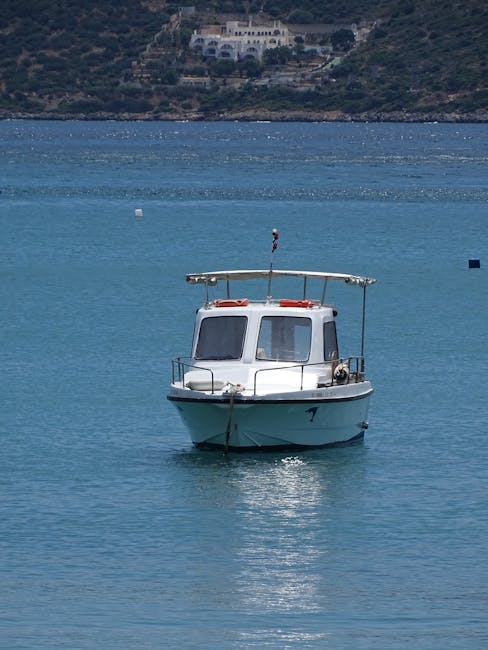
Practical tips: book your boat trip well ahead in high season. Photographers will love the intense morning light; evenings can be rougher with swell affecting returns. Bring cash (euros) as some services in Girolata don’t accept cards.
Environmental respect: Scandola is protected for its biodiversity (seabirds, fish, gorgonians). Don’t throw any waste overboard, avoid lighting fires and observe marked protection zones. If you snorkel, avoid chemical sunscreens that can harm marine life — choose biodegradable options.
6. Step 6 — The Balagne: hilltop villages and artisans (full day)
Heading northwest you enter the Balagne region, known for its hilltop villages, centennial olive trees and vibrant artisanal traditions. The classic route passes through Calvi but before you get there visit Sant’Antonino, Pigna and Corbara. Reference address for Sant’Antonino: Place de l’Eglise, 20220 Sant’Antonino. These villages are small but rich in heritage and craftwork.
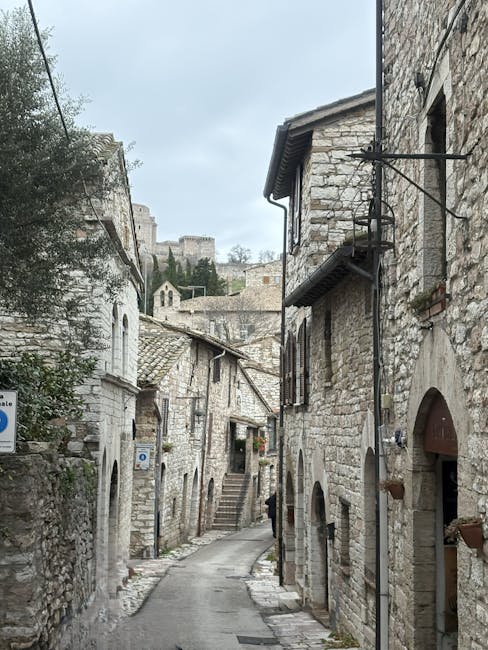
Perched on a rocky outcrop, Sant’Antonino offers sweeping views over the plain and sea. Its cobbled lanes and artisan workshops (ceramists, jewelers, luthiers) are worth exploring. Pigna is famous for its music scene and art studios: the Maison des Arts de Pigna, Place de Pigna, 20220 Pigna, hosts concerts and workshops (tickets for events €10–25).
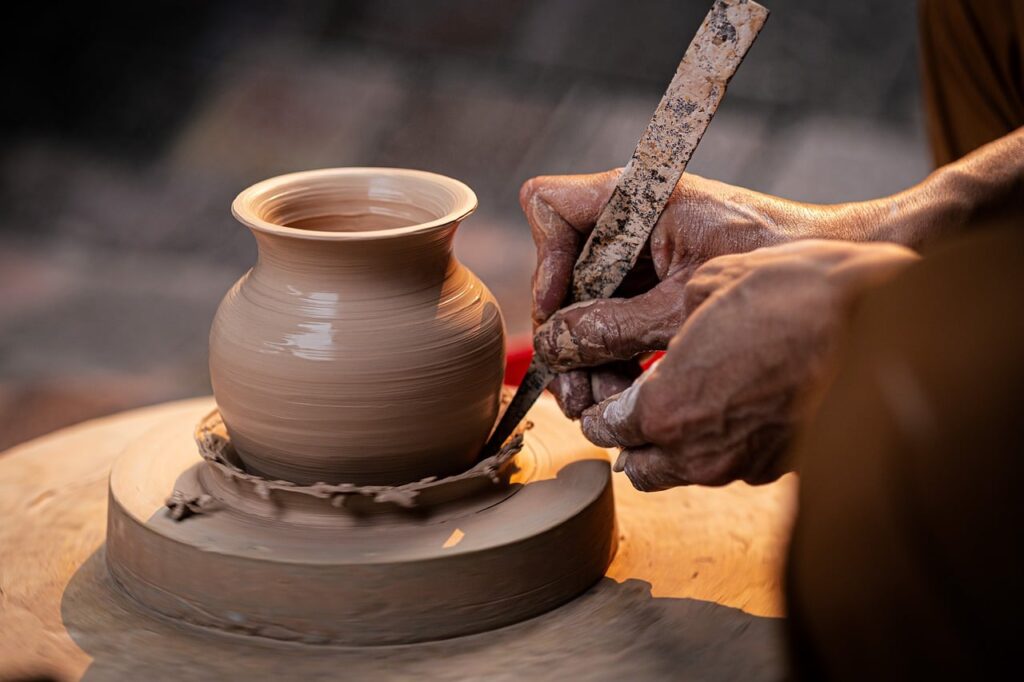
Markets and tastings: don’t miss small local producers — olive oil, honey, cheeses and traditional bread. Recommended market: L’Île-Rousse Market, Place Paoli, 20220 L’Île-Rousse, on Tuesday and Friday mornings (8:00–13:00). Typical prices: 500 ml olive oil ≈ €8–15, 250 g local honey ≈ €6–12 depending on floral source.
Recommended restaurants: in Pigna try U Furrone, Rue de la Fontaine, 20220 Pigna, for Corsican dishes with a contemporary twist (mains €15–28). Meals are often enjoyed on terraces with live music in summer. In Sant’Antonino, La Table du Maquis (address: 4 rue de la Fontaine, Sant’Antonino) serves a terroir menu from about €22 (starter+main+dessert).
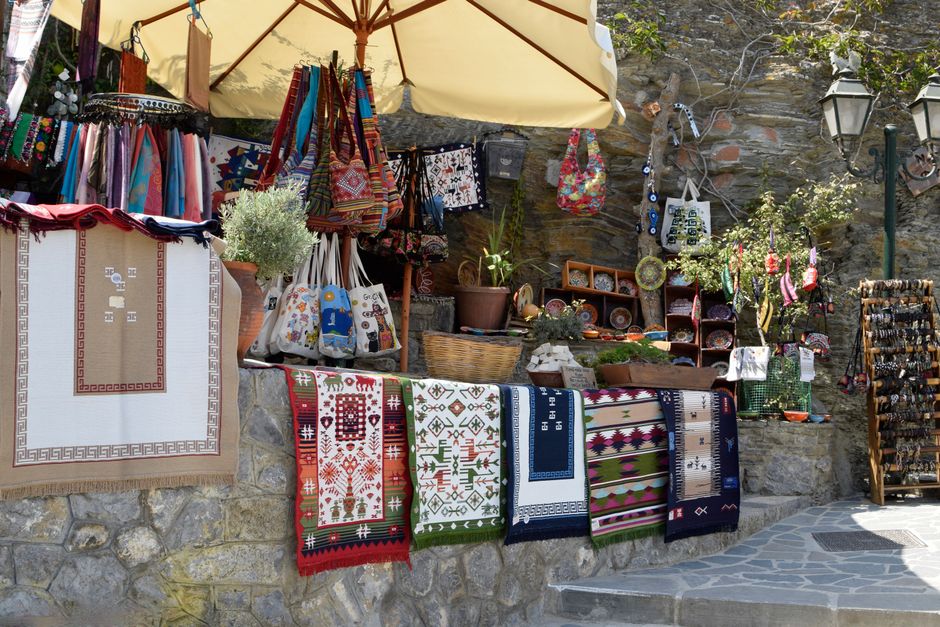
Practical tip: roads in the Balagne are winding and parking in hilltop villages is limited. Arrive early (9:00–10:00) to find space and enjoy the calm. In evenings the villages come alive with concerts or night markets in summer; check with tourist offices (e.g., Balagne Tourist Office, 3 Avenue Jean-Baptiste Marcaggi, 20220 L’Île-Rousse).
7. Step 7 — Calvi: the citadel, the beach and the marina (half-day to full day)
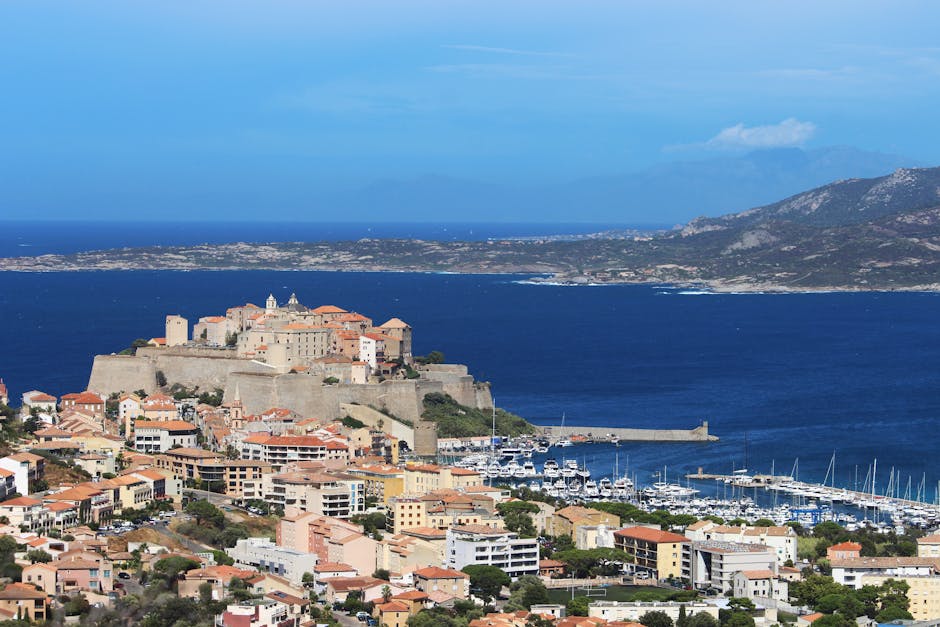
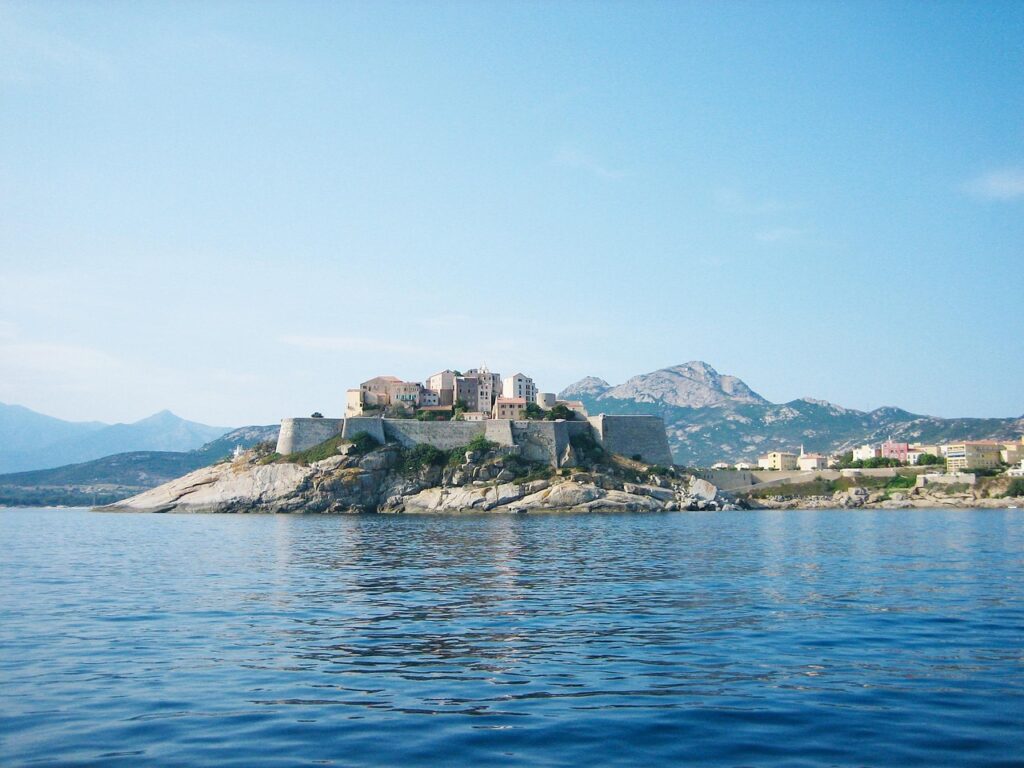
Finish your route in Calvi, a lively seaside town with a Genoese citadel. Calvi’s citadel stands on a promontory with commanding views of the bay. Central address: Citadel of Calvi, Rue Paul Colonna d’Istria, 20260 Calvi. The port and beach are just a short walk away, so you can end your journey with a swim or a seaside dinner.
Hours and prices: walking the ramparts and visiting churches is generally free (outdoor access 24/7). Local museums (Maison Bonaparte Museum) have varying hours (in high season roughly 9:30–18:00). Museum fees about €4–6. For music lovers, the Calvi Jazz Festival (usually in July) offers international concerts (tickets €20–80 depending on the event).
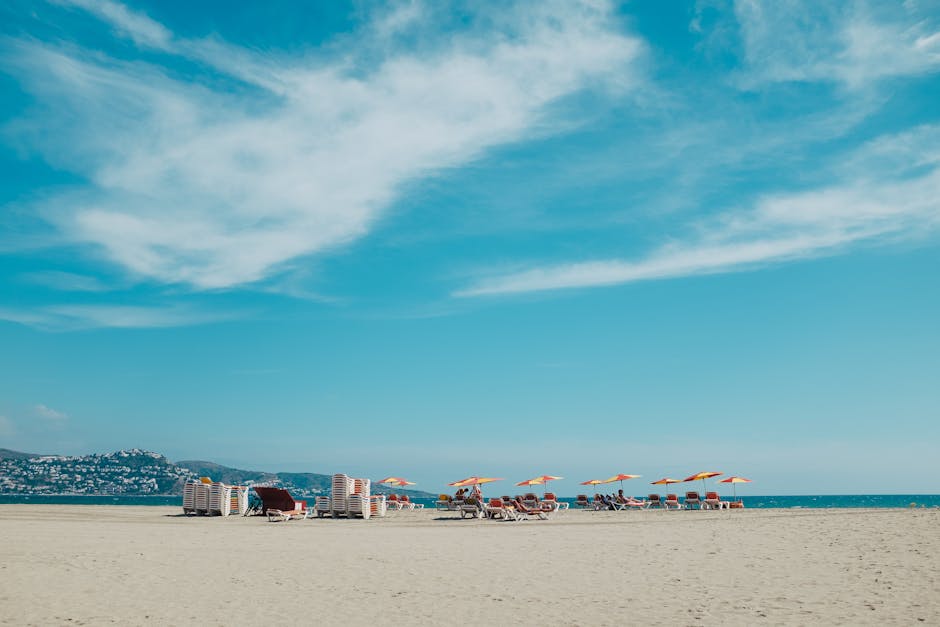
Beach and water sports: Calvi Beach (Boulevard Wilson, 20260 Calvi) is fine sand and lifeguarded in season (typical surveillance June–September, 10:00–18:00). Sunbed rental ≈ €8–15/day, kayak or paddleboard rental ≈ €20–40/hour depending on provider. For sea trips, the Calvi Marina (Quai Pascal Paoli, 20260 Calvi) runs tours to the Sanguinaires archipelago or coastal cruises.
Where to eat: for a refined final meal try Le 44 (address: 44 Boulevard Wilson, 20260 Calvi) — Mediterranean dishes and attentive service; mains €18–35. For a more local option, A Piazzetta, Rue Sade, 20260 Calvi, serves Corsican antipasti and pizzas (mains €12–20).
Departure tips: Calvi–Sainte-Catherine Airport (address: Route de l’Aéroport, 20260 Calvi) is about 5 km from town (10–15 minutes by car). Transport options: taxis, airport shuttles and car rentals. If you extend your trip inland, the T20 road leads to Corte and the Tavignano valley.
Conclusion — Practical tips, budget and route variations
This Bonifacio-to-Calvi 7-step discovery route guides you through Corsica’s diversity: limestone cliffs, red rocks, protected islands, hilltop villages and Genoese citadels. To make the most of it, here’s a practical summary and local advice to help you prepare.
Indicative budget (per person, excluding international transport) for 7–10 days:
- Accommodation: hostels/guesthouses €50–80/night, hotels €80–150/night, B&Bs €70–120/night.
- Meals: bakery breakfast €3–6, lunch at a restaurant €12–25, dinner €20–40 depending on level.
- Boat trips: €25–80 depending on duration and destination.
- Fuel and tolls: variable by vehicle; plan roughly €80–160 for the full route if you cover 600–800 km in a compact car.
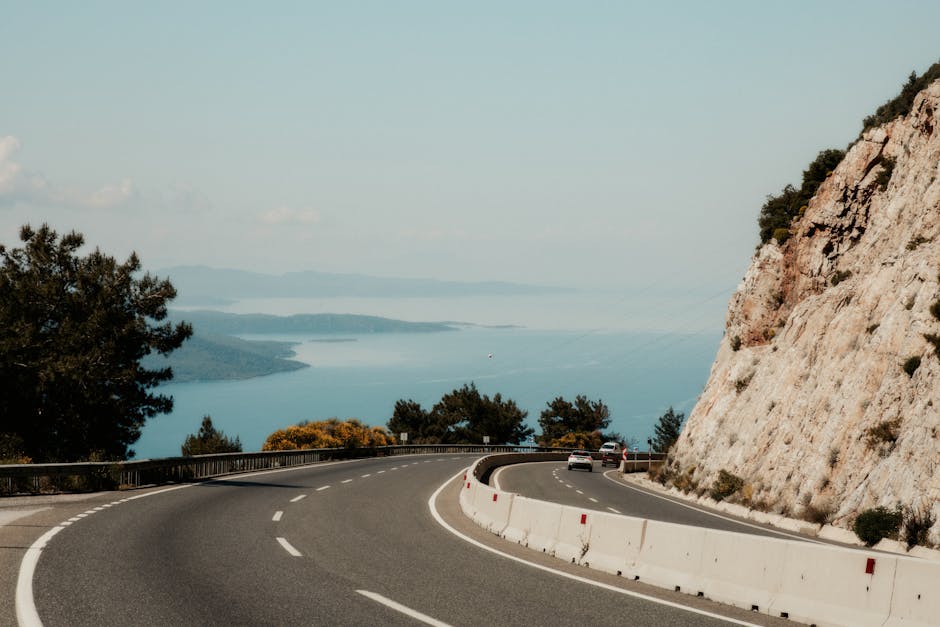
Logistics and safety: book sea excursions and accommodations well in advance for high season (July–August). Drive carefully: winding roads, narrow edges and shepherds with flocks can appear unexpectedly. Carry a first aid kit, plenty of water, and check weather conditions — the mistral or thunderstorms can alter sea outings.
Possible variations:
- If you have less time: focus on Bonifacio, the Lavezzi islands and the coast to Propriano, then head to Piana and Porto for a 4–5 day route.
- For hikers: add a stop in Corte and the Tavignano Valley for mountain walks (sections of the GR20 depart from this area). Useful address: Corte Tourist Office, Place Gaffori, 20250 Corte.
- For wine lovers: include a vineyard visit in the Patrimonio area (near Saint-Florent) for Corsican wine tastings (tastings €5–15 depending on the estate).
Respect for the environment and local communities: Corsica’s resources are fragile; follow signage in nature reserves, avoid lighting fires in the countryside, and favor local products and artisans to support the island’s economy. Small actions — taking your rubbish home, saving water and using biodegradable sunscreen — help preserve these unique landscapes.
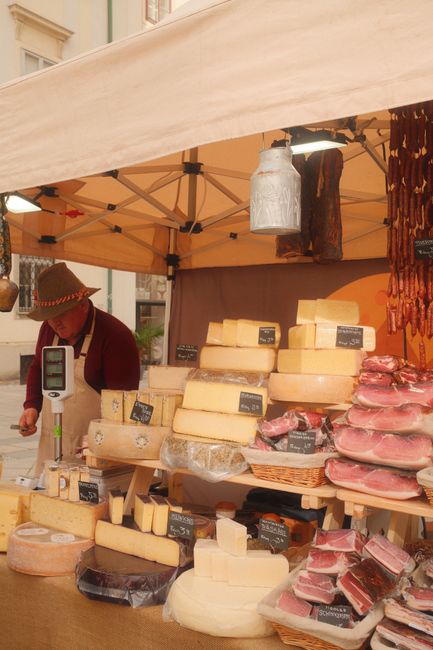
Finally, leave room for the unexpected. Corsica’s beauty often lies in chance encounters: a cheesemaker offering you a taste of fresh brocciu, a secluded cove found down a little communal lane, or an impromptu concert in a village courtyard. The Bonifacio-to-Calvi route gives you a solid framework, but it’s your curiosity and sense of the moment that will make this trip truly memorable.
Safe travels — or as we say here, bonu viaghju — and may this crossing from Bonifacio to Calvi leave you with images, flavors and encounters that capture the soul of Corsica.