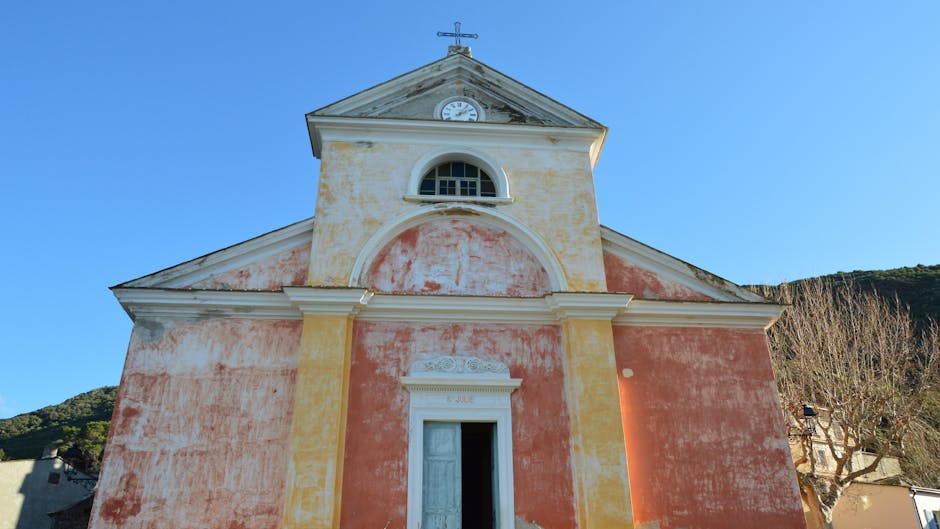






Introduction: Churches, Fountains & Lanes — Quick, Sensory Walks Through Corsica’s Inland Villages
Corsica, an island of granite and light, is just as rewarding away from beaches and ports. Inland, villages clinging to mountainsides or perched on promontories offer everyday heritage made of baroque churches, trickling stone fountains and limestone alleys where history is carved into the walls. These micro‑visits — short, focused, sensory — let you grasp the spirit of a place in a few steps: the tap of heels on slabs, the smell of thyme in warm air, the cool hush of a vaulted nave, or the murmur of a fountain that has gathered neighbors for centuries.
This general guide focuses on Corsica’s inland villages, reachable by car from main routes and by short hikes for the more curious. Away from summer crowds, these micro‑visits favor attentive observation: an inscription on a lintel, a forgotten saint’s statue, the types of gutters that irrigate a square, or the way an alley climbs and opens onto a panorama. We detail concrete spots — parish churches, squares with fountains, emblematic lanes — with addresses, indicative opening hours, entrance costs when relevant, and local tips to get the most from each stop.
You’ll find a lively route here, suited to half‑day or afternoon outings, that mixes religious heritage, vernacular architecture and everyday village life: where to sit for a terrace coffee after the visit, which times to choose to avoid crowds, and how to photograph an alley to convey its unique perspective. Each micro‑visit includes practical elements — hours and prices — as well as immersive descriptions so you can feel the space before you arrive. Finally, local tips will help you respect the places (silence in churches, respectful photo practices) and discover hidden delights: the corner fountain with amazingly cold water, a carved wooden door visible only from a certain angle, or the bench where elders still tell the village legends.
Whether you’re staying in Corsica for a few days or are a resident eager to rediscover your island, these micro‑visits are designed to slot easily into your itinerary. They suit amateur photographers, families with kids (turn an alley into a treasure hunt), walkers who favor short stages, and travelers who want to feel the heart of Corsica without rushing. Open your senses wide: the journey begins in those small shaded squares, the bell towers that overlook the valley, and the fountains that still sing of ancient water.
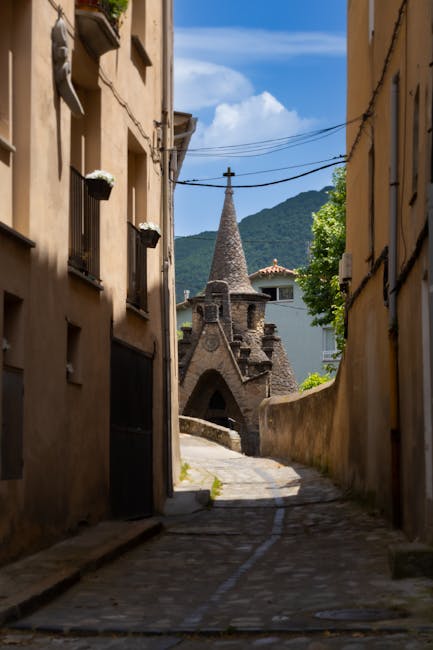
Corte — The Citadel, Santa Maria Maggiore and the Alleyways of a Living Museum
Corte, listed as a « historic town, » is Corsica’s intellectual and geographic heart. Perched in the Restonica valley, it presents a coherent ensemble where the island’s history reads across facades: the imposing Citadel, Santa Maria Maggiore church, and a network of lanes packed with artisan workshops and cafés. A micro‑visit in Corte should start in the town center and weave through the narrow streets to appreciate the layering of eras and the dialogue between stone and vegetation.
Santa Maria Maggiore of Corte (Church of the Madonna di a Regina) — Address: Place Paoli, 20250 Corte. Description: set on the slope of the citadel, this 18th‑century baroque church has a restrained facade and a nave decorated with woodwork and religious paintings. It’s an active place of worship and entry to the nave is free. Hours: generally open 09:00–12:00 and 15:00–18:00 in high season (May–September), with reduced hours off season — check with the Tourist Office. Price: free; voluntary donations for upkeep. Tip: visit early morning for low, slanting light and a quiet atmosphere ideal for studying altarpieces and paintings.
Museum of Corsica — Address: Place Paoli, Citadel, 20250 Corte. The museum provides historical context that enriches a stroll through the lanes. Hours: typically 10:00–13:00 and 14:00–18:00 (closed Tuesdays off season; consult the official site for exact slots). Entrance fee: around €6–8 for permanent exhibits (rates may vary). Local tip: after the museum, take Rue du Roi down toward the valley; you’ll find facades pierced by small windows and artisan shops selling local honey or textiles.
Alleys to explore: start at Place Paoli, then follow Rue Fesch toward the Porte d’Italie, keeping an eye out for commemorative plaques and carved lintels. Each turn reveals views of the neighboring mountain range and architectural details — wrought‑iron knockers, dated lintels, stone benches — that speak to a living local history. Take time to climb to the citadel for sweeping views of town and valley, then descend via a different route to stumble upon neighborhood fountains often forgotten but refreshingly cool in summer.
Sant’Antonino and the Inner Balagne — Romanesque Churches, Fountains & Suspended Views
Sant’Antonino is one of the oldest and most photogenic villages in the Balagne: tightly packed houses, stepped alleys and dizzying views out to the distant sea and inner peaks. Here, every lane invites you to pause, reframe the postcard and hunt for details. Small squares with stone fountains act as public living rooms, where conversations linger in the shade of plane trees.
Santa Maria Church of Sant’Antonino — Address: Church Square, 20220 Sant’Antonino. Description: a typical parish church of the region with simple decor, a nave lit by colored stained glass and a bell wall visible from many points in the village. Hours: usually open 09:00–12:30 and 15:00–18:30; Sunday services are held Sunday mornings (check local notices). Price: free; voluntary contributions recommended for maintenance.
Fountain on Place Padrona — Address: Place Padrona, 20220 Sant’Antonino. This stone fountain, often decorated with flagstones, is a natural gathering point. The water, fresh and clear, historically served livestock and residents. Tip: visit in late afternoon when golden light accentuates textures; don’t forget to fill a bottle — the water is drinkable and refreshingly cool.
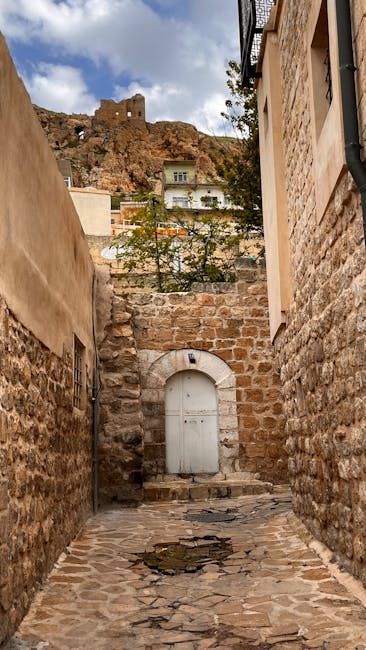
Alleys and viewpoints: start your micro‑visit at the central square, then take the « Upper Street » (the lane that climbs to the belvedere) to reach the small panoramic terrace behind the church. From there the view opens over the Balagne valley and the skyline down to the sea. The lanes are often narrow, paved and lined with thick‑walled houses; look out for painted doors, stacks of flagstones and wrought‑iron balconies. Photo tip: to capture depth, stand at the bottom of an alley and frame the perspective toward the open panorama.
Lama & Pigna — Artistic Vibes and Stone Fountains
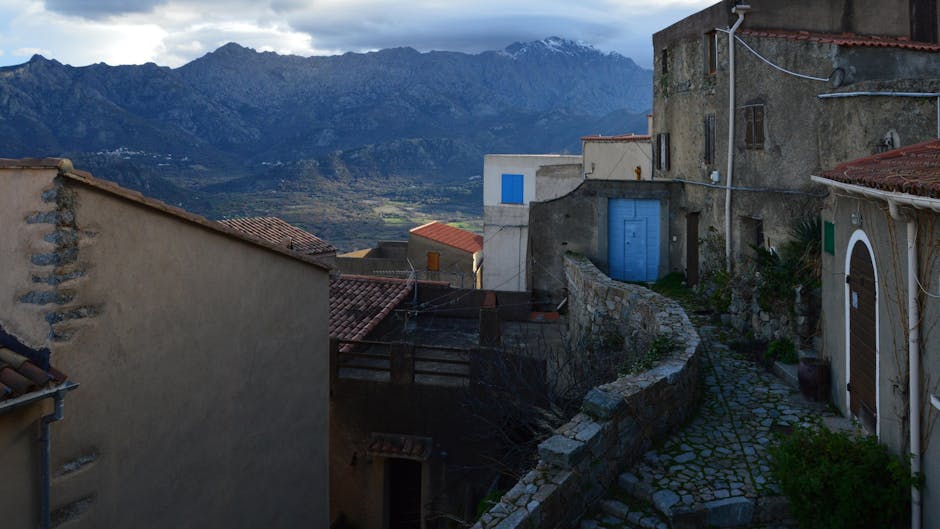
On the northeast edge of the high plateaus, Lama and Pigna make a charming duo where art and craft converse with traditional buildings. Pigna is especially known for its arts scene (galleries, festivals), while Lama keeps a more rustic feel. The local churches and fountains shape a cultural topography where contemporary creation blends with popular heritage.
Saint John the Baptist Church in Lama — Address: Church Square, 20218 Lama. Description: a modest but well‑kept church with a pointed bell tower and a simple nave. Hours: open mornings 09:00–12:00 and afternoons by request; services follow the parish calendar. Price: free. Tip: wander toward the adjacent cemetery which often has traditional grave markers and an open view over the Asco valley.
Saint Anthony Chapel in Pigna — Address: Chapel Street, 20218 Pigna. Description: a small whitewashed chapel often used for classical or polyphonic concerts during local festivals. Hours: variable — the chapel opens in conjunction with events; check with Pigna’s Tourist Office. Price: generally free to visit; concerts are ticketed (prices vary, often €8–20 depending on the event). Local tip: plan your visit for an afternoon with a performance to combine architectural discovery and a musical experience.
Fountains and squares: Pigna’s main fountain sits on Place Paoli (Place Paoli, 20218 Pigna) — a stone basin where water sings and café terraces welcome visitors. Lama’s fountains are wilder, found on small shaded squares; look for the « Lavoir Fountain » on Rue du Lavoir, 20218 Lama — an ideal spot for a cooling break. Photo tip: the wet texture of stone and reflections on the water make striking contrasts; prefer a 35–50mm lens to capture both the fountain and street scenes.
Sartène and the Memory of Stone — Facades, Gothic Churches & Public Fountains
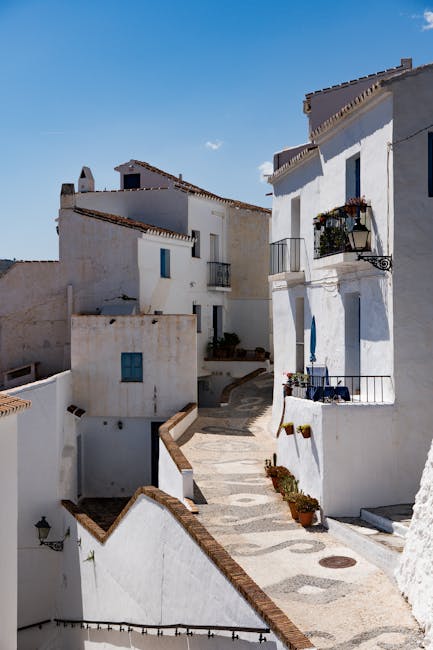
Sartène, often called « the most Corsican of Corsican towns, » is a remarkable example of a medieval urban type scaled to a small city. In the heart of Sartenais, the lanes inscribe collective memory: austere facades, hidden courtyards, studded doors and churches where communal fervor is still palpable. Walking Sartène is a history lesson: each street tells of an era, a family, a confraternity.
Santa Maria (Saint‑Saviour) Church of Sartène — Address: Place de la Canonica / Rue du Château, 20100 Sartène. Description: a building with Gothic and baroque elements, housing notable religious works and a bell tower that dominates the old town. Hours: typically open 09:00–12:00 and 15:00–18:00; Sunday services in the morning. Price: free; a modest contribution is appreciated. Tip: during processions (summer patronal festivals), the square transforms — check the local calendar if you want to attend ceremonies.
Fountain on Place Porta — Address: Place Porta, 20100 Sartène. This fountain sits at the heart of pedestrian traffic and is a handy landmark before you head up the lanes toward the Seneca Tower. Local tip: climb to the Tower for views over the roofs and spot small side chapels opening onto secret courtyards; morning light highlights the stone patina and old terracotta tiles.
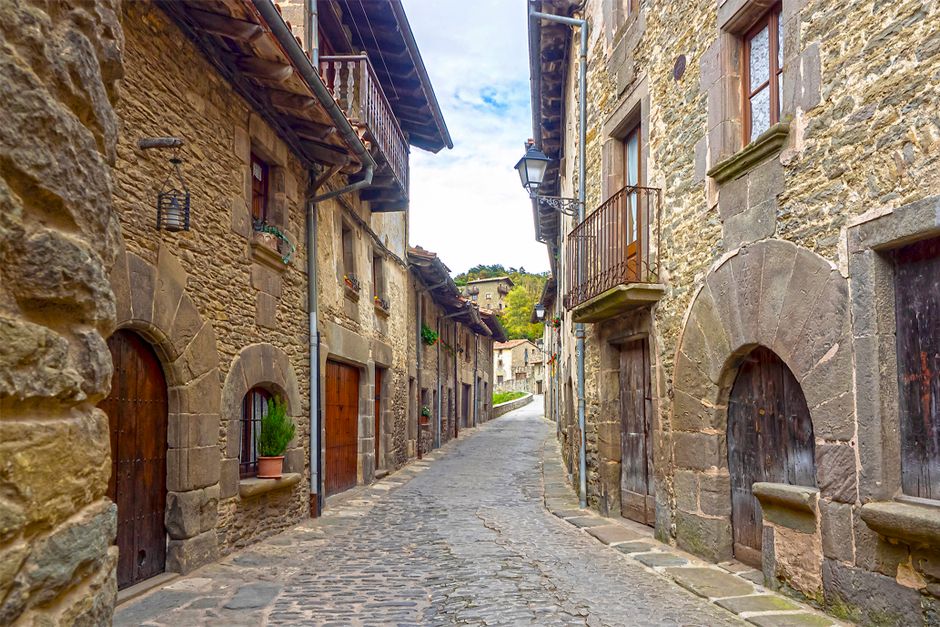
Alleys to wander: Rue du Borgo, Via Rialto and the climb toward the Castle — each has its own atmosphere. Notice window surrounds, different types of knockers by neighborhood, and faded wall paintings. Practical tip: wear grippy shoes; paving can be slippery after rain. For a pause, sit on a bench in the shade of a plane tree near the fountain and listen — Corsican conversation sometimes animates the square like a living theater.
Practical Tips for Successful Micro‑Visits in Inland Villages
Planning and timing: most village churches are open in the morning and late afternoon; they may be closed during lunch or outside high season. For museums and specialized chapels, always check up‑to‑date hours on official sites or by calling the local Tourist Office. Generally, allow 1–2 hours per village for a full micro‑visit (church + fountain + lanes), or a half‑day if you want to include a museum or a concert.
Fees and contributions: entry to churches is free in most cases; museums and some chapel‑venues charge a small fee (€5–10). During events (concerts, guided tours) prices vary: traditional music concerts €8–20, guided walks €5–12. Carry small change for donations or to buy local products from artisans.
Respect and etiquette: in a church, dress modestly (no tank tops or very short shorts), keep quiet, and ask permission before photographing services or people. Fountains are often bustling public spaces — avoid settling in too long if residents need access for daily tasks.
Recommended gear: comfortable shoes with good grip, a reusable water bottle (fountains often provide drinkable water), hat and sunscreen in summer. For photography, a versatile 24–70mm lens is ideal for alleys and architectural details; a 35mm prime works very well to convey the atmosphere of squares.
Local interaction: strike up a conversation with locals — elders love to tell the story of a door or the reason for a procession. Services and concerts are excellent occasions to hear Corsican polyphonies and understand the social role of churches. Buy local: bread, cheese, honey or textiles made by artisans to support the village economy.
Conclusion: Immerse Yourself Respectfully in the Inland Villages
Micro‑visits to churches, fountains and lanes in Corsica’s inland villages offer an intimate, sustainable way to know the island. Rather than rushing from one major site to the next, taking the time to get wonderfully lost in a maze of stone lets you hear a place’s stories — carved into lintels, whispered by fountain water, swapped on square benches. These experiences are often free or low‑cost, and they reward patient curiosity: an architectural detail, a restored fresco, an old knocker, or an impromptu chat with a resident can turn a simple stop into a lasting memory.
Respect local rules, check hours and prices in advance, and adapt your visits to the seasons: winter light sculpts volumes differently, while summer brings festivals and processions that reveal the living dimension of heritage. The villages highlighted here — Corte, Sant’Antonino, Pigna, Lama, Sartène — are examples among many, but the micro‑visit method applies everywhere in Corsica: spot a church from the road, stop at the nearest fountain, let a side alley lead you. That’s how you discover the island’s soul, not just through famous monuments, but in everyday places intensified by their setting.
Finally, remember that Corsica is shared socially and culturally: support local actors (associations, artisans, guides), contribute modestly to heritage upkeep (donations, purchases) and leave behind these small sequences of shared beauty for future generations. Micro‑visits are, in short, an invitation to slow down, learn and respect — and to return home with not only images, but stories and sensations that linger long after you’re back.